After a decade, two or more, the collapse of "Avala film", and the constant measuring and recalculation of this Serbian Ćinećita into square meters and construction plots, boring and drawn-out "threats" with tenders and sales, while on the other side, some kind of hope was still sprouting to the rescue - the end happened quickly, as if suddenly. And while all the previous governments had the same intentions regarding the sale of "Avala", which they had been arguing and arguing about for a long time, this one has finally made the cut, according to a simple formula: tender, one buyer - sold. The result is: nothing is known until now. Neither whether "Avala film" has completely failed, nor whether something could have been saved, nor how much the real debts are - because the prime minister says one thing and everyone else another - nor what will happen to the huge film heritage, and only a soap opera about who is the real customer of this former film giant is already pinching their eyes and pulling their noses.
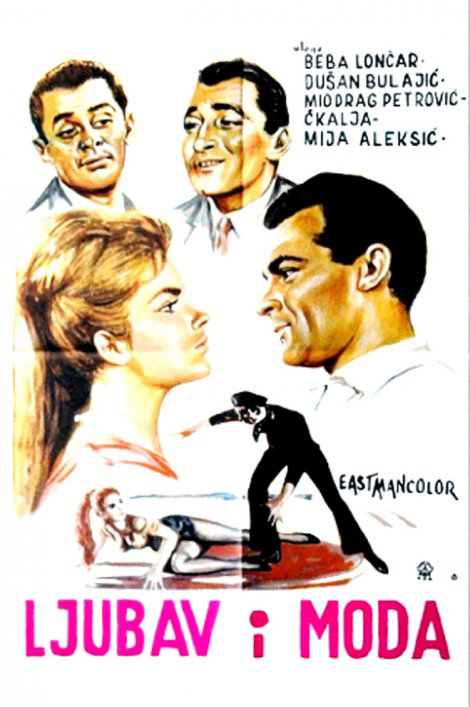
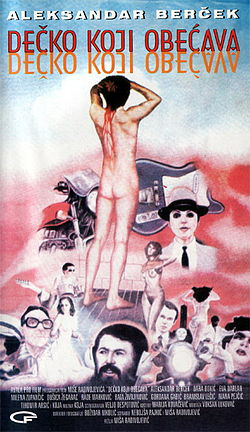
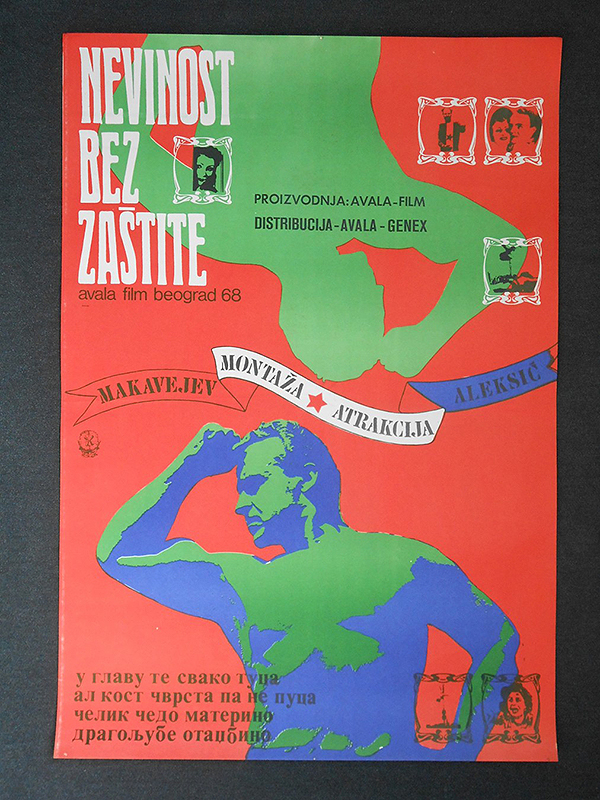
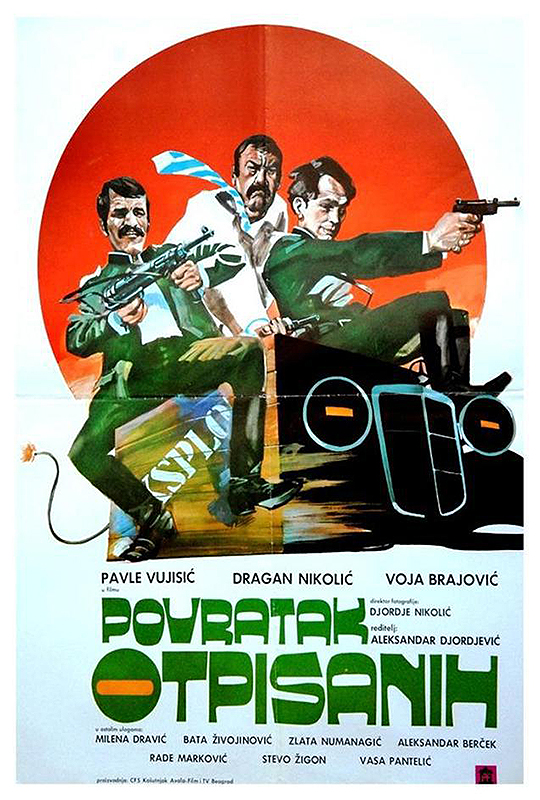
MICHELLE, KARIĆI AND OTHERS: From what is available to the public, it is known that the new owner of "Avala film" is the company "Filmway" or in Serbian "Filmski put". In the media, it was possible to read that it was founded a month ago, that it was already mortgaged a week after its foundation, it is mentioned that it is some kind of consortium of American and French capital, that the company was founded with an equity capital of only 60.000 dinars, that it the account was opened with "Dunav bank" ad Zvečan... It is known that the entire "Avala film" was paid by that company for less than nine million euros, which was the starting price at the auction, although the estimated value was 20 million euros. And when you say "the whole 'Avala film'", you mean 37 hectares of land in the forest and 20.000 square meters of office space plus production rights to films: about 400 documentaries and 200 feature films directed by many famous SFRY directors, about 120 co-productions with foreign partners, animated, advertising films, TV series... It was also announced to the public that the director of "Film Road" is a certain Mišel Babić, a man of French citizenship, and that the mortgage over the company is held by a certain Saša Ćorović, the former owner of a taxi company from Pancevo. From these almost bizarre data, the only thing still missing is the old Serbian custom that someone is someone's best man here. Even the mention of Karić as the new owner, who is allegedly behind this whole story, looks more like an exchange of theses, and the BK group in its statement strongly denied all that and said: "If the BK group had the possibility to compete in the purchase and sale" Avala Filma', we would offer at least 100 million euros because the potential of 'Avala Filma', the largest film studio in the former Yugoslavia, is equal to American Hollywood." While the media sniffed the story of Karić and his new television on the grounds of 'Avala film', on the same day, Monday, April 27, a contract was signed between the legal representative of "Film Road" Vidoj Marjanović and the Privatization Agency.
Prime Minister Aleksandar Vučić defended the already completed work, stating that the court, and not the Government of Serbia, sold "Avala Film", which had a debt of 20 million euros, although until now it was always said that the amount was five times smaller. because of which, for inexplicable reasons, he went into bankruptcy proceedings in 2011. The director Srđan Dragojević pointed out that "Avala film" owes public companies the same as many other companies that are not in bankruptcy and bankruptcy, because these debts to Vodovod, EDB, Tax Administration were reprogrammed - which could have been done with "Avala film", but it wasn't. Regardless of everything, the prime minister said that the state should no longer "maintain the dead". Inevitably, the name of Nikola Đivanović was recalled from memory, who, when he bought "Belgrade Film" in a similar way, said that Belgrade cinemas had long been dead and that he had only come to bury them.

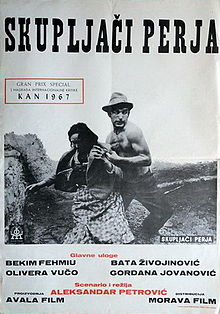
CHILDREN AND TYCOONS: In the series of articles published by "Vreme" since 2001 about the case of "Avala film" and the general sale of pillars-carriers of cultural, especially film life, the question of what will happen to the film fund of "Avala film" in the event of a sale became more and more crystallized. . In the article "Film Marathon" from February 2013 ("Vreme" No. 1156) it is written: "A few days ago, information reached the public that the Privatization Agency intends to publish an advertisement for the sale of the first part of the 'Avala film'." However, the decision to sell the entire fund of 'Avala' films, including the most famous achievements of domestic cinematography, caused a much bigger shock than the planned building for sale: Feather gatherers, March on the Drina, We are not angels, films by Purisa Đorđević, Goran Marković, legendary partisan films, a valuable and rich collection of film cultural heritage. As for the building itself, we are talking about Atelier 4, which is located on the plot that Avala Film shares with RTS. It is a studio that has a swimming pool intended for underwater filming, where they used to be filmed Robinson Crusoe, Underground or Labyrinth. "
Two years earlier, in April 2011 ("Vreme" No. 1060), Mila Turajlic, author of the award-winning film, among others, spoke about "Avala film" Cinema Komunisto: "Avala was the largest film producer in the former Yugoslavia: almost 1945 percent of all films made from 1989 to 50 were produced by it." Avala still has the best acoustic hall in Serbia, better than the one that the Philharmonic has. By far, without equal, the largest film studio, but about which no monograph has ever been written."
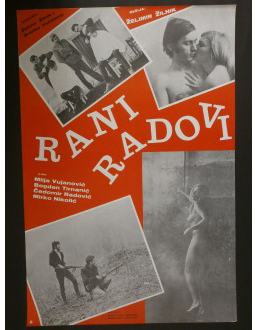
Today, after the sale to an unknown buyer, Mila Turajlić says in her article published in the newspaper "Politika" about the purchased production rights: "This means that the new owner of 'Avala Film' has the production rights (which should not be confused with copyright) to those films, among which there are works by Dušan Makavejev, Želimir Žilnik, Miša Radivojević, from Slavica do Collection center and several hundred other Yugoslav films." The problem, he states, is that for every public showing of those films, whether they are broadcast on television, played to students, published or sold in new digital forms, the permission of the producer rights holder must be sought: "The new owner will be able to charge whatever amount he wants to show those films - to ask for 2000 euros for permission to Tito and I. to show at a retrospective of Goran Marković's films, or to ask for 10.000 euros for permission to use two minutes from the film Too many in a documentary film about the career of Milena Dravić." Why does it seem unfair to us, Turajlić asks and answers: "Because those films were financed with social funds, because 'Avala film' was social property, because it doesn't seem right that one man makes money from the exploitation of films that this society made in times when everyone invested in film together."
Radoslav Zelenović, the founder and director of the Yugoslav Cinematheque, told Vreme that now "they are the owners, and we are the custodians": "The new owner has the rights to what we preserve, and the Serbian state pays for the preservation. The new owner can do whatever he wants with that material, he can show it and he can not show it, he can certainly collect the income. However, when the story about co-production and some other rights comes up, it is to be expected that the person who invested in the film will also appear and make some of his demands, let's say to get his share of the pie from the sale of the film. We collided with what Krsto Papić said when the privatization of 'Jadran film' was carried out: Why don't my films go to my children but to tycoons?"
FINAL: For a moment, if you forget the golden and post-golden era of "Avala Film", the story of its downfall has been going on for the last two and a half decades. Governments that came and went never managed to find the right key to the solution. Ten years stand between the article in "Vremen" from 2001, where the question arises "can Serbia be made into Hollywood" and the article from 2011, when "Avala" fell into bankruptcy and where "it sounds incredible that the once famous film studio will be torn into squares of land and raked". At the time, director Goran Marković explained to Vreme: "Somewhere in the early nineties, Jugoexport illegally acquired 51 percent of 'Avala Film' by paying several salaries to employees." It wouldn't have been a tragedy if that company from Udbas hadn't gone bankrupt in the meantime, so the creditors started demanding that 'Avala' be sold and they get paid from that. In February 2003, the government of Zoran Đinđić made a decision to pay Jugoexport's debts and return Avala Film to state ownership. That decision was withdrawn shortly before the assassination of the prime minister. Since then, everything revolves around Jugoexport's creditor claims, and it is not possible to solve that problem except in the way Đinđić tried. I don't know if there is political will for it, but it seems to me that many people wish for 'Avala' to fail as much as possible and thus become an easy prey." The last decade of "Avala Film" records the failed arrivals of investors who supposedly always wanted to invest dubious small money, and in return take it on a long-term lease.
In the meantime, the parties in power moved the field of culture to another field, between the Privatization Agency and the ministries of finance and economy. The Ministry of Culture was left to watch all this silently, except that it pointed the finger at the Cinematheque as a possible culprit, because the production rights for the films were also sold with the sale of "Avala Film". Until Ivan Tasovac, no minister of culture had done this. It is true that the previous governments neglected and demolished "Avala", hesitating and announcing some "better" buyer-investors. This government has finished its work with "Aval". We just have to find out who its real owner is.