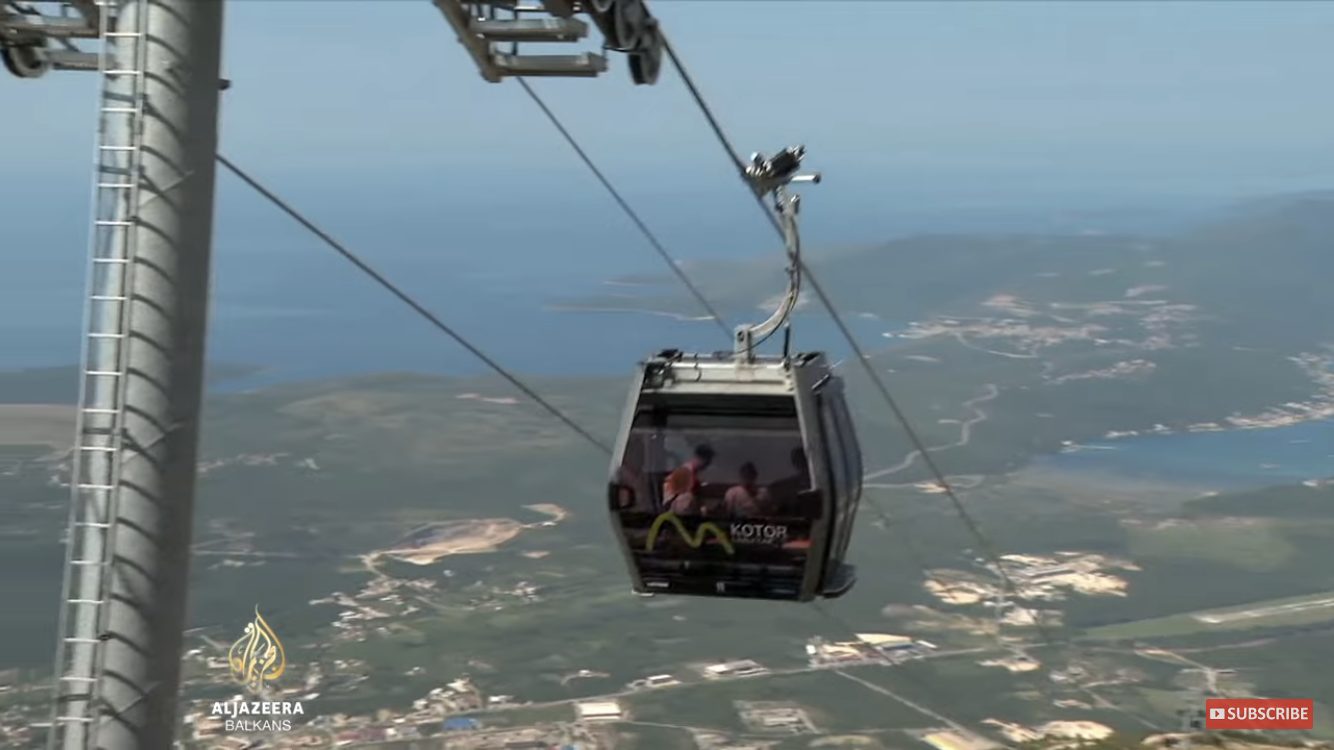
The nearly four-kilometer long cable car "Kotor - Lovćen" was built in a little more than a year, and the project was implemented by the consortium Novi Volvox - Leitner based on the concession contract signed in December 2021. writes Voice of America.
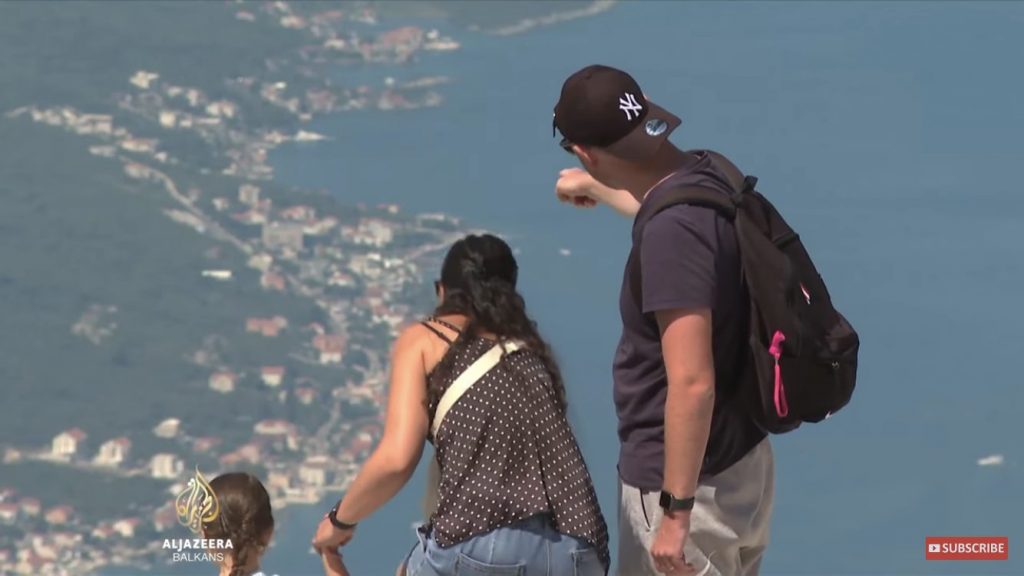
"The view of Boka and the stay at Lovćen, the possibility to climb to this fantastic position in 11 minutes, easier access to the National Park 'Lovćen' for tourists, definitely rank the offer of the cable car among the must-see attractions for everyone who visits Montenegro," said the director of the cable car company "Kotor - Lovćen" Marco Cus.

IMG-6196Photo: Printscreen/Aljazeera Balkans
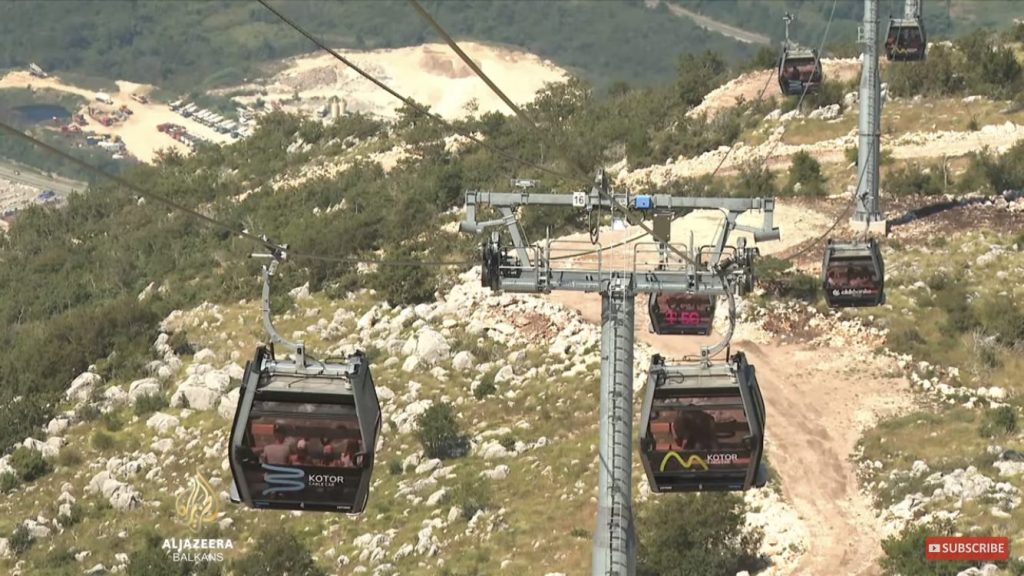
The route of the cable car starts from Dub, which is located in the territory of the municipality of Kotor, and leads to the location of Kuk on the Lovćen mountain, at 1.348 meters above sea level, and the travel time is less than 11 minutes. The height difference between the starting and ending stations is 1.316 meters.
The designed capacity is 48 gondolas that can transport 1200 passengers per hour. A one-way ticket for adults costs 13 euros, and a return ticket costs 23 euros. A ticket for children is seven euros in one direction, or 12 euros for both directions. Children under the age of two do not pay a ticket, writes the Voice of America.
IMG-6199Photo: Printscreen/Aljazeera Balkans
According to the concession agreement signed by the representatives of the Government of Montenegro and the consortium "Leitner - cable car Kotor 1350", consisting of the companies Novi Volvox from Podgorica and the Italian Leitner, the concessionaire will use the cable car for 30 years, after which it will belong to the state.
The concession fee is 15 percent of the net value of the profit from the management of the cable car and related facilities, and the concessionaire has committed to invest around 20 million euros.
There were suggestions to extend the cable car to Cetinje. The cable car that connected Kotor and Cetinje existed 107 years ago. The three-legged transport cable car Kotor-Krstac-Njeguši-Cetinje, a little more than 18 kilometers long, was built in 1916 by the Austro-Hungarian army in just half a year. That cable car was in operation until 1918.
You can read the entire text on the portal Voice of America.
MN/Voice of America
Read daily news, analysis, commentary and interviews at www.vreme.com