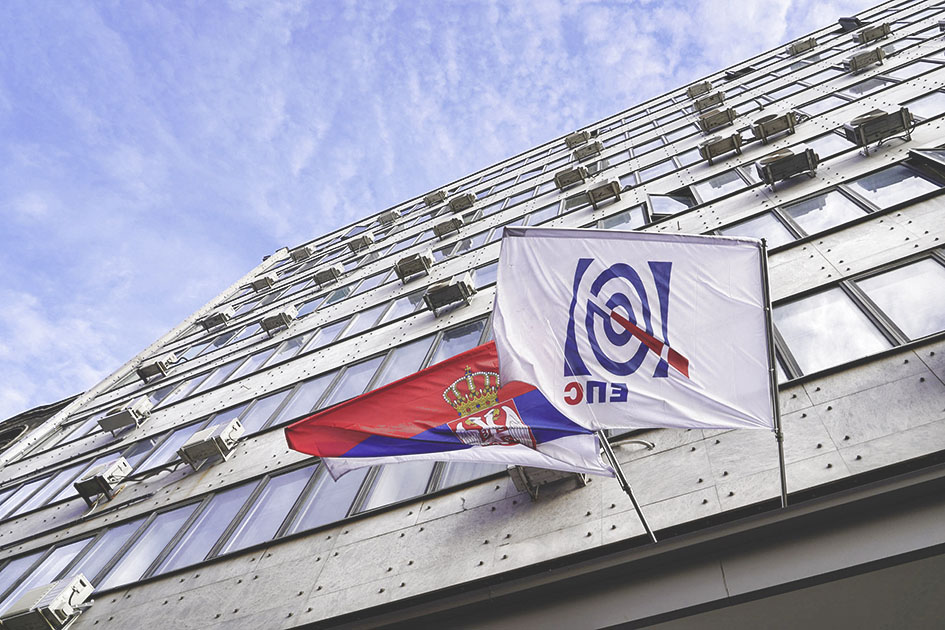
The price of electricity for households and small customers is 6,5 percent higher as of today, reports RTS. According to the calculation of the Energy Agency, the average price of a kilowatt-hour now costs 8,144 dinars.
At the end of July, the Council of the Energy Agency approved the decision on the price of electricity for guaranteed supply. As stated, the average price of electricity for customers who have the right to guaranteed supply at regulated prices - households and small customers - is determined based on the maximum approved income and the estimated amount of electricity for sale to these customers.
Three options for providing electricity
For the import of the missing amounts of electricity during the winter season, the Electric Power Company of Serbia (EPS) will have to pay between one and 1,5 billion euros, writes Demostat online, referring to "well-informed sources". According to those sources, the Government of Serbia is considering three options to secure that money, including an arrangement with the International Monetary Fund (IMF).
It is estimated that EPS will lack as much as 2,2 billion kilowatt-hours of electricity to supply consumers in the country, and that during the heating season, from October 15 to March 15, there will be a shortage of 500 megawatt-hours of electricity energy per hour. According to Demostat, one of the possibilities that the Government is considering is to make an arrangement with the IMF, which would imply that this financial organization would get the right to participate in the management of the EPS.
Another option is for EPS to take a new loan from commercial banks, but the company is already in debt to a large extent, primarily due to accidents and unprofessional management, especially during the period when Milorad Grcic was at its head.
The third option is for the Government of Serbia to provide EPS with state guarantees for the loan in order to obtain the necessary funds for normal functioning.
Restrictions or not
The Demostat source notes that the decision on which of these three models the Government of Serbia will opt for and provide the necessary funds for the functioning of the EPS has not yet been made.
The professional public, as well as consumers, are concerned about whether electricity, even in the case that EPS provides the money needed for importation, will be enough on offer on the stock exchanges. Considering the global energy crisis due to the war in Ukraine, it is questionable whether there will be surplus electricity in Europe that could be offered for sale, Demostat pointed out in the analysis.
If the pessimistic forecasts in that segment turn out to be correct, electricity restrictions would be something that consumers in Serbia would inevitably face. The only question is to what extent, concludes Demostat.
For now, the government and EPS categorically deny that there will be restrictions and that they plan to reduce electricity consumption through savings measures.
MN/FoNet
Read daily news, analysis, commentary and interviews at www.vreme.com