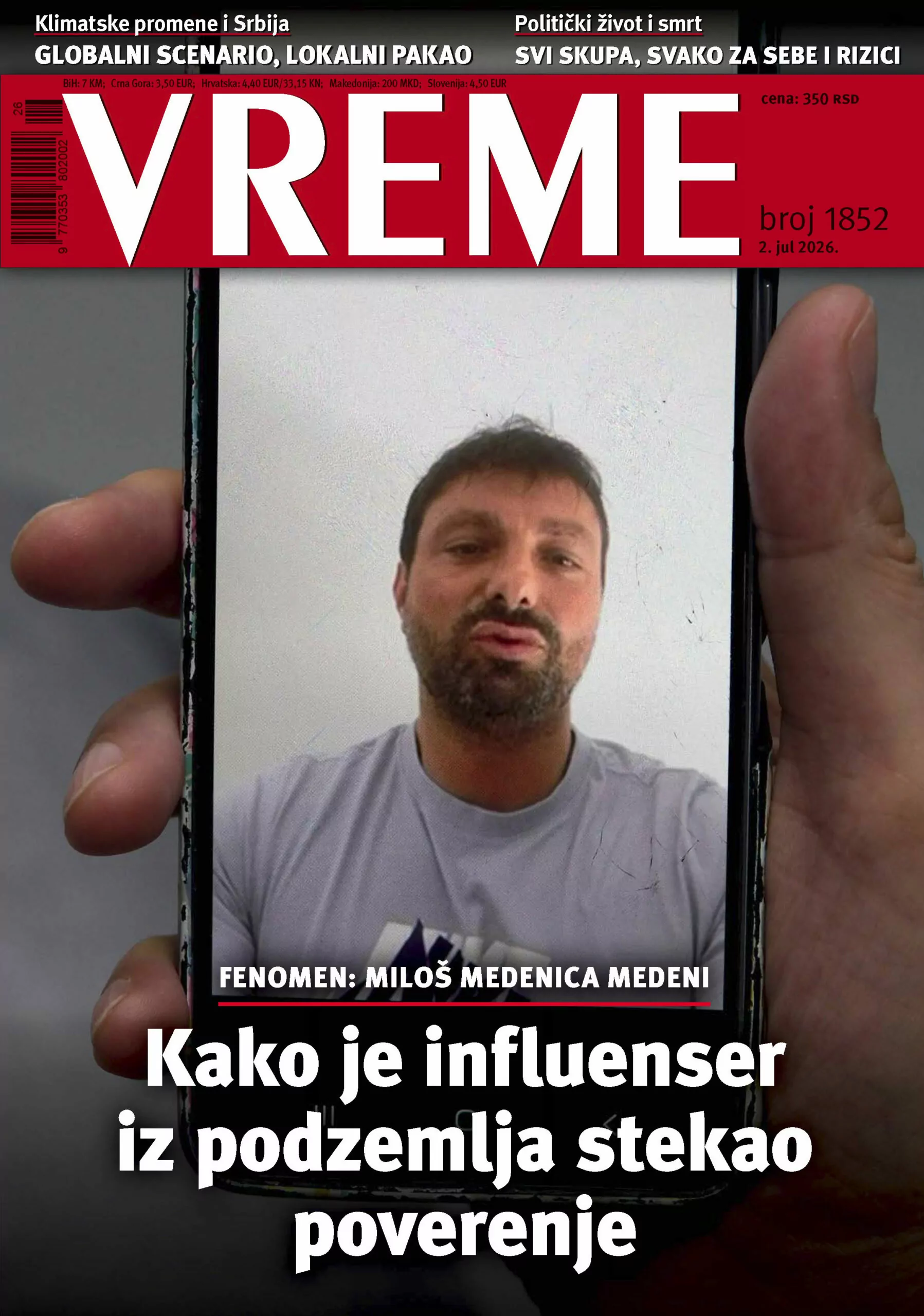
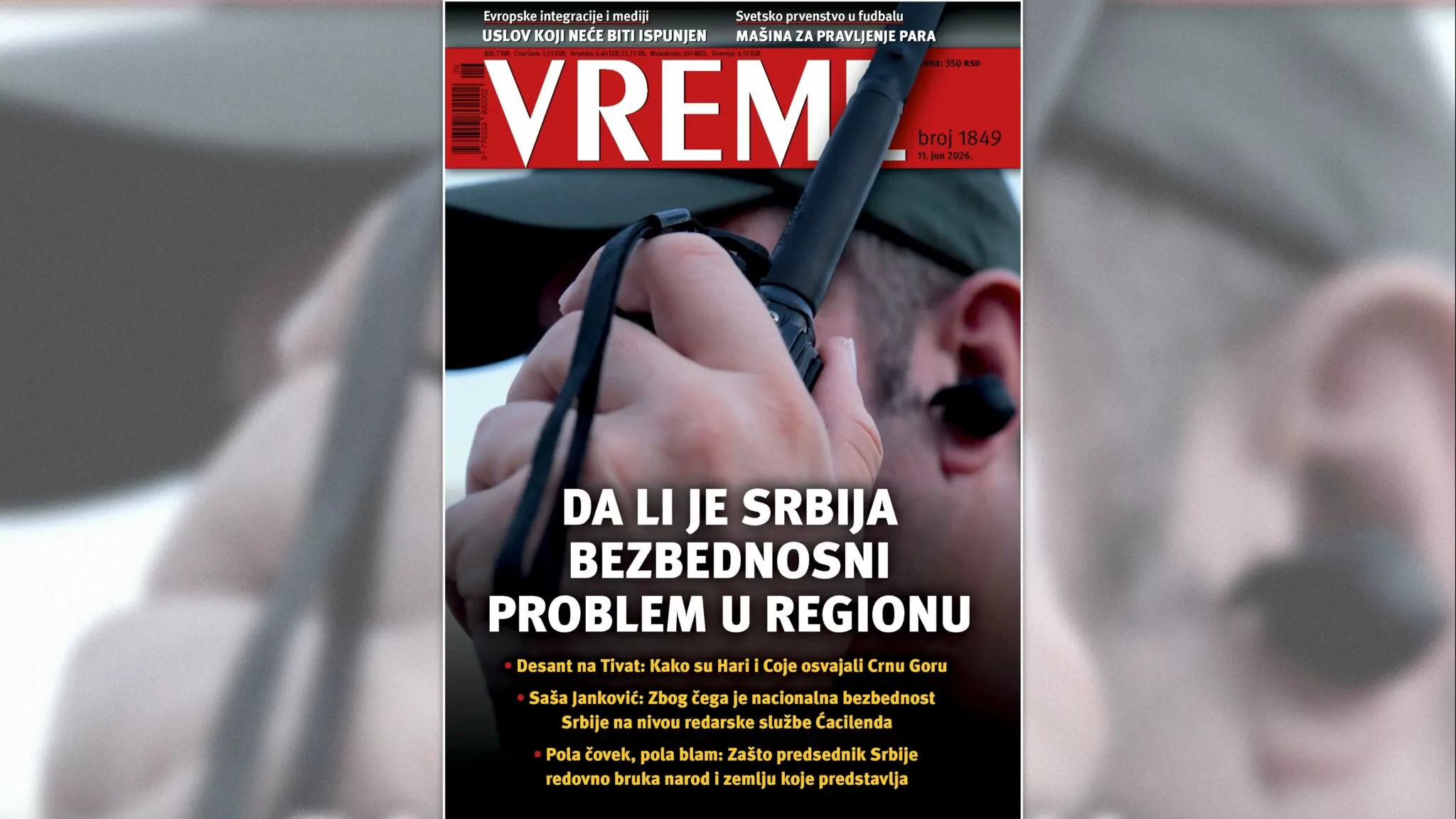
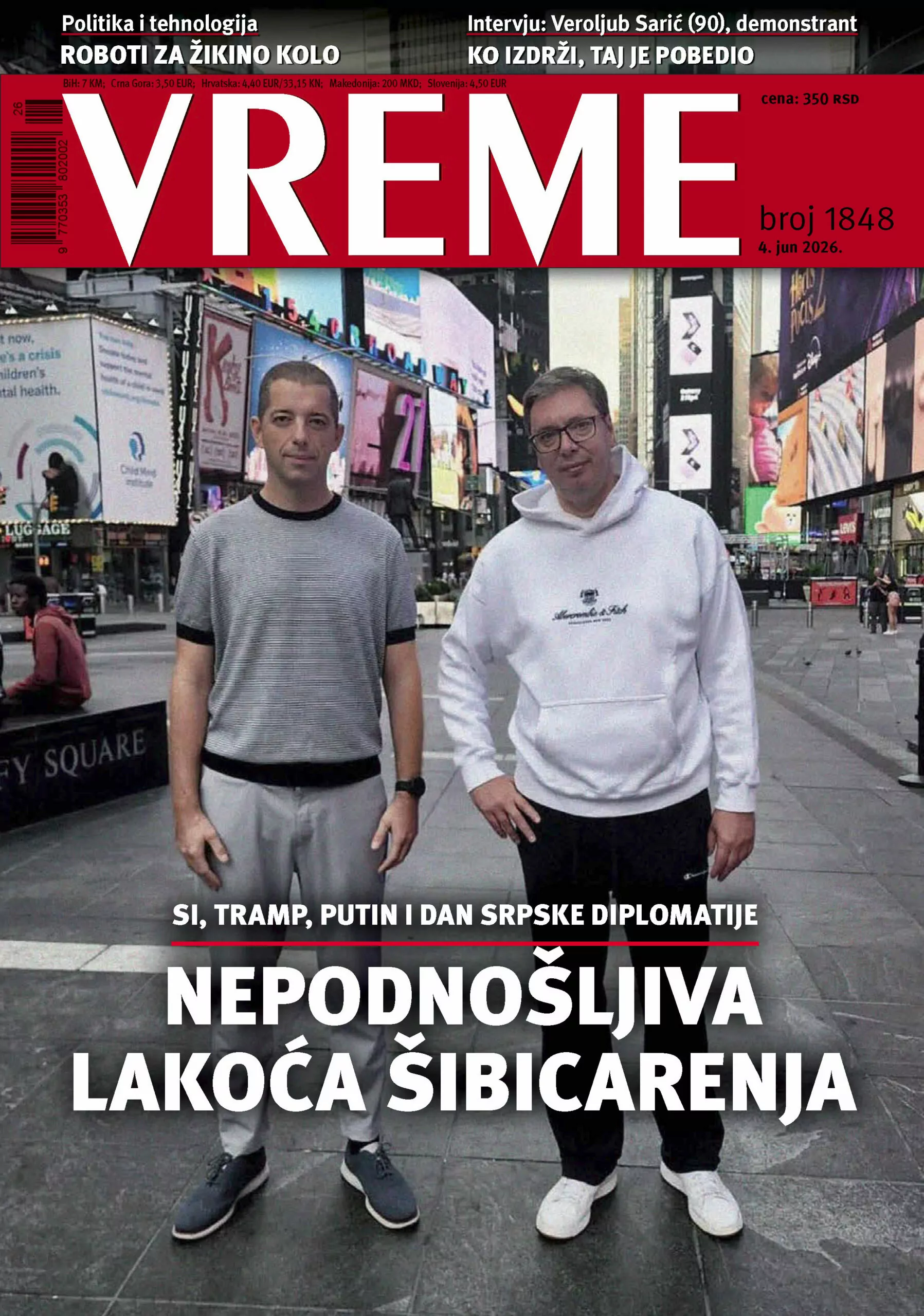
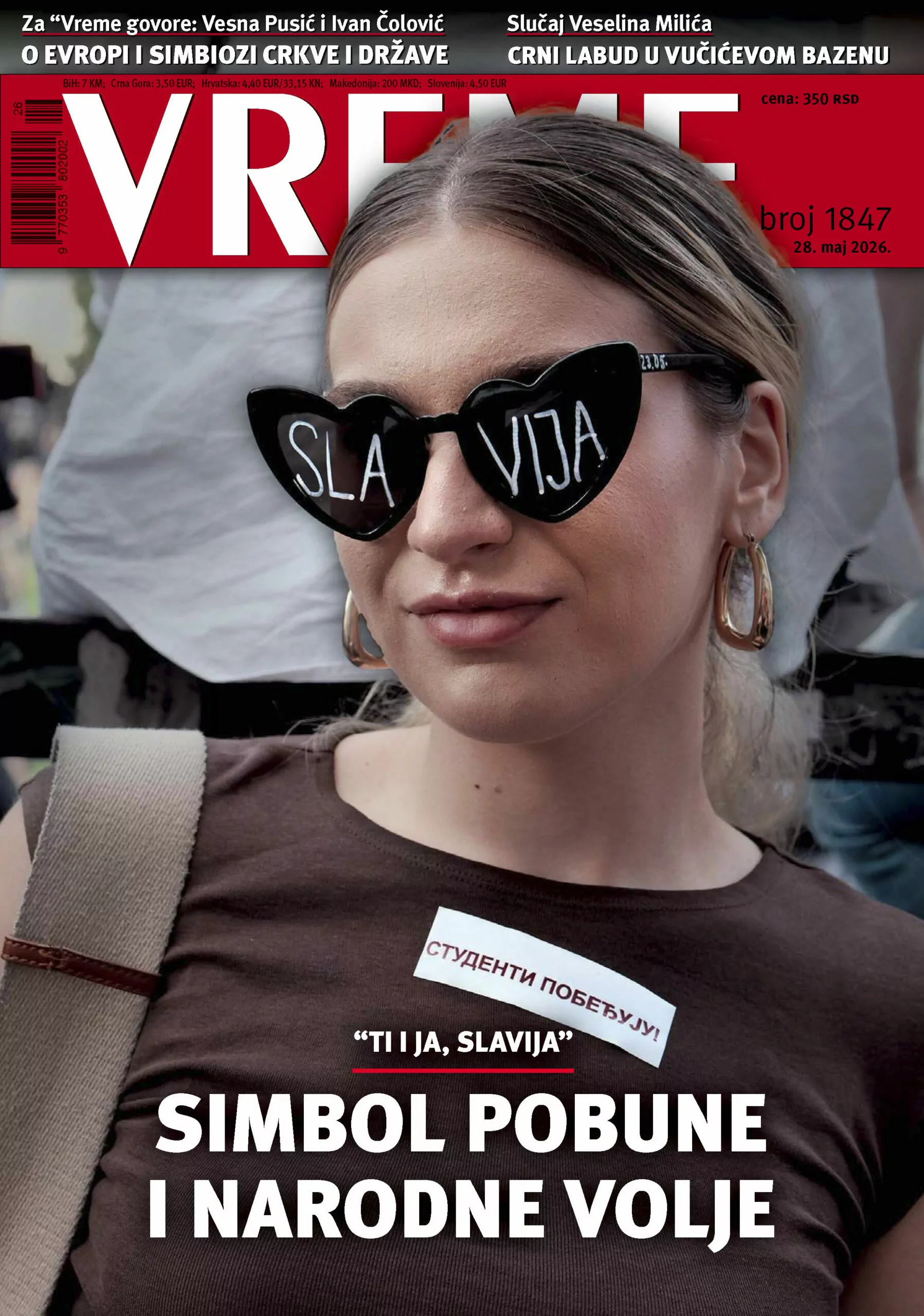
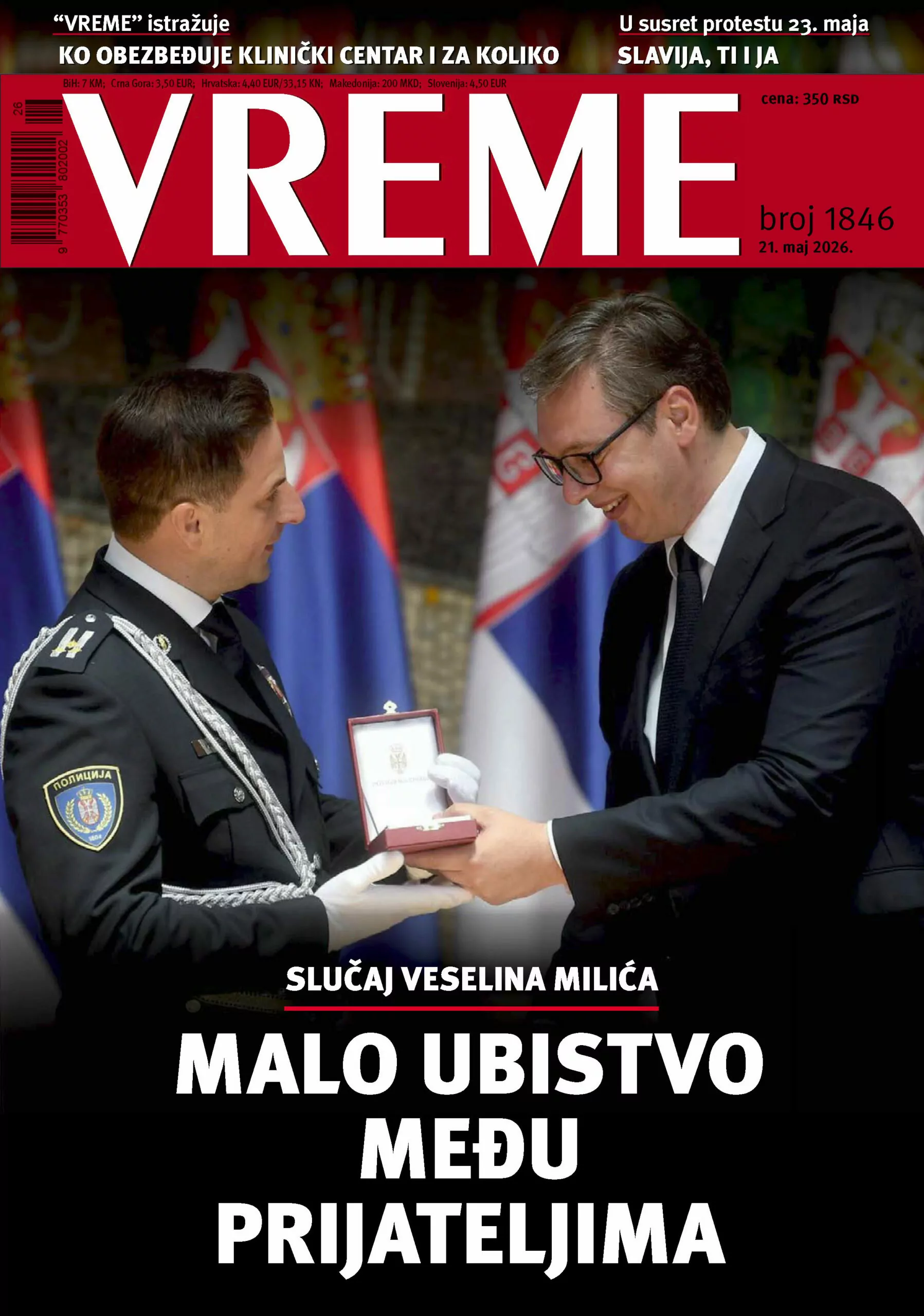
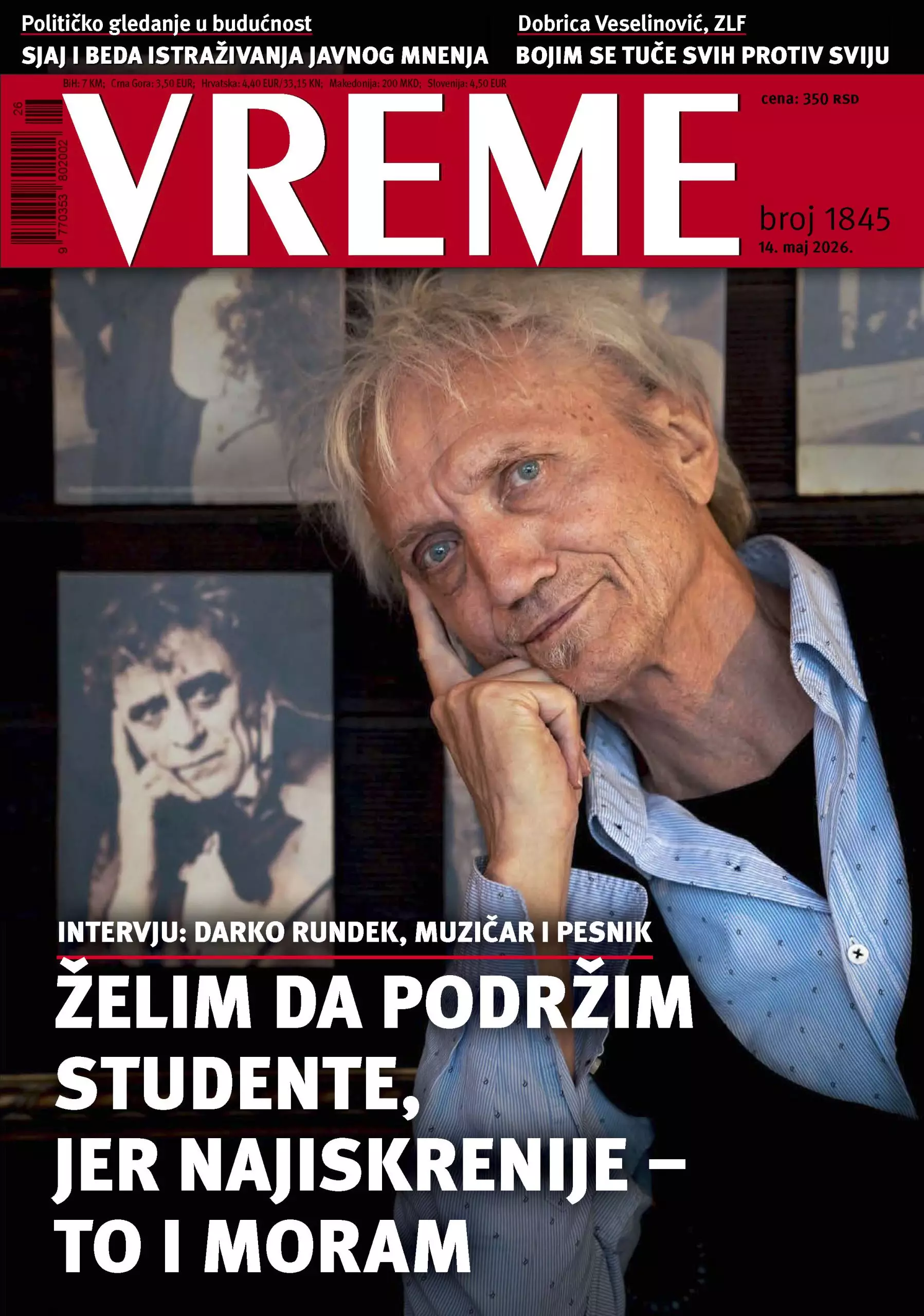
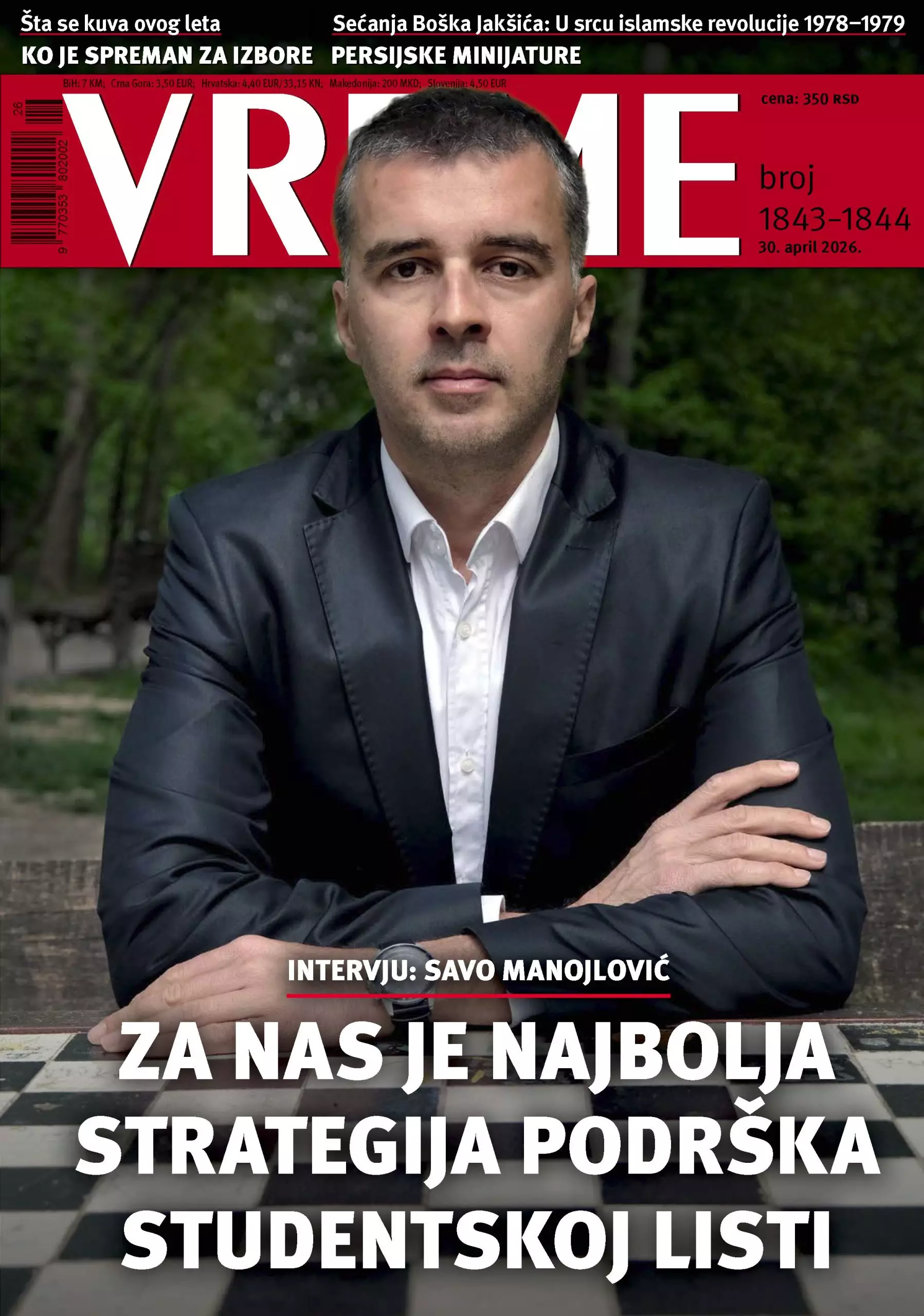
Gutenberg: In some cases, the long form seems to be experiencing a renaissance?
Alef: Correct. Long-form texts (long read or "long-form texts") include a wide range of content - from large interviews and portraits to analytical essays and reports. They find a place in "Atlantic" and "New Yorker". Long form texts are also published in subscription newsletters and podcasts on platforms like Substack. The content is not edited and the facts are not checked - reliability depends on the credibility of the author: some are top journalists or experts, while others may spread unreliable claims.
LONG READ FORMULA
Gutenberg: How do magazines that promote the so-called long read formula cope with the challenges of survival?
Alef: Long read format does not generate mass clicks, but it brings loyal subscribers and prestige. The financing of that formula today goes through subscriptions, the so-called. Membership/donations, foundations, prestige advertising, prestigious advertising of exclusive, expensive and luxury brands...
Print and digital encourage each other: print guarantees credibility, digital expands accessibility and a younger audience. Crowdfunding/membership models - an example is "The Guardian" - with more than a million donors, and income from members higher than advertising (2023) shows that advertising as the primary source of income can be replaced. Strategy: free access to content, without a paywall (a digital system that disables access to content if payment is not made); readers invited to make voluntary contributions (monthly or one-time).
The printed edition still exists ("Guardian daily" and "Observer weekly") - more symbolic and for credibility, and the losses of the press are covered by income from membership fees and digital. The printed edition survives as a "foundation of trust", a symbol and credibility, but financially it is carried by digital.
HOW WEEKLY NEWSPAPERS SURVIVE IN SERBIA, USA AND GERMANY
Gutenberg: When it comes to weeklies, how does the situation in Serbia look like?, USA and Germany?

...DEVELOPMENT OF DIGITAL AND CRIMINAL DEFENSE OF PRINT PUBLICATIONS: New York Times, Spiegel and Guardian
Alef: The differences are obvious. The US has a huge, fragmented market with numerous niches. Germany is characterized by a stable and large market with a developed subscription culture. Serbia, unfortunately, looks more like the USA than Germany: fragmentation, tabloids dominate, magazines and portals barely survive in niches. Unlike the US, there is no economic basis for a global subscription market and digital models. Serbia is small and fragmented: the audience is limited to an urban, educated minority. In the global context, the situation in Serbia is an extreme example of a "broken vessel".
Gutenberg: Where discerning American readers are now looking for answers?
Alef: In digital editions of national dailies ("New York Times", "Washington Post"), specialized magazines ("Atlantic", "New Yorker", "Foreign Affairs"), on digital analysis platforms (Vox, ProPublica, Politico), and in newsletters and podcasts that offer depth and continuity. In the US, the mainstream is dictated by television and social media.
The New York Times successfully transitioned to a digital subscription model by combining investigative journalism with multimedia stories and The Daily podcast. The audience belongs to elite niches and relies on digital subscriptions. "New Yorker" and "Atlantic" remain refuges for the elite, while the long form (long read) still has an audience thanks to its recognizable voice and editorial rigor.
From March 2020, "Time" switched to a biweekly rhythm and lost its central role. What once made it powerful - explanation and context - are now offered by other, faster and more flexible actors: digital diaries, specialized magazines, newsletters and podcasts. "Newsweek" has experienced a digital recovery: the number of readers in the US will grow by 45 percent in 2025, which shows that there is an audience interested in more demanding texts.
Gutenberg: News magazine experience "SPIEGEL" is different?
Alef: Yes. "Spiegel" and Hamburg's "Zeit" have specific experience because there is a strong culture of weeklies and magazines in Germany. "Spiegel" invested early in the online edition and became one of the most visited portals. Despite crises, such as the scandal with fabricated reports in 2018, it has maintained the identity of an investigative authority. German audiences are willing to devote time to extensive texts, so Spiegel continues to publish extensive investigative stories that shape the agenda.
In Germany, weeklies still play a significant role in public life and the elite public, have the status of a national forum and shape political discourse. The combination of print and digital works together with live events; "Cajt" maintains its reputation through essays and long texts, while "Spiegel" combines fast online news and strong investigative stories.
HOW WEEKLY NEWSPAPERS IN SERBIA ADAPTED IN 1990 2025
Gutenberg: How do weeklies in Serbia compare to "Time" i "With a mirror"?
Alef: The difference is huge. Serbian weekly newspapers do not have the resources for such a breakthrough. Their survival strategy is more modest: a balance between a weekly print identity and a selective digital presence. They are not trying to be tabloids or news portals, but guardians of magazine journalism.
Gutenberg: What is the place of weekly newspapers in Serbia from the nineties to today??
Alef: Weeklies occupied a special position. While daily newspapers brought news hour by hour, and tabloids dictated mass taste, weekly magazines - NIN, "Vreme", "Nedeljnik", "Pečat", and later "Radar" - offered space for longer analyses, comments and cultural essays. In times of sanctions and wars, they have been a haven for critical thought and shaped the public conversation far more than their circulations would suggest.
Gutenberg: Did they survive or disappear??
Alef: Both. The core is stable: NIN, "Vreme", "Nedeljnik", "Pečat", "Novi magazin" and "Radar". Their circulations are not large, but the symbolic weight is - the readers are loyal, educated and politically interested.
Gutenberg: And the digital transition?
Alef: Weekly newspapers in Serbia remain printed once a week, but are significantly more alive in digital: "Vreme", NIN and "Nedeljnik" publish new texts and columns "Latest News" or "Vesti" every day. However, their news flow is not the same as that of daily newspapers - they are selective, often intended as an introduction to analysis or commentary, rather than exhaustive coverage of every event. They function as hybrid media: print comes out once a week, digitally follows the daily rhythm, with an analytical tone, paywall (a system of paid access to content on the Internet) for subscribers, PDF editions and a combination of ads - from direct banners to automated networks.
Gutenberg: Do they change the form of expression?
Alef: Not important. They stay true to the longer analytical text, commentary and interview. In digital, they add newsletters, podcasts and occasional multimedia formats, but do not abandon the magazine tradition. Their capital is depth, not speed.
Gutenberg: Who is their audience??
Alef: Various. NIN and Vreme attract liberal-oriented readers, Pechat a conservative and national audience, Nedeljnik combines politics and culture, while Radar targets younger and more digital generations. The audience is smaller, but loyal and engaged.
Gutenberg: And advertisers Are they interested in weeklies??
Alef: Yes, but not to the same extent as daily newspapers or mass readership portals. The weekly's audience is affluent and educated, so it attracts advertisers from the fields of cars, luxury goods, culture and real estate. Digital brings a new dimension: some portals use automated ad networks like Google AdSense, which allows revenue per click or impression. However, the mainstay is still direct ads, subscriptions and sponsorships.
Sergije Lukač
The tide of the evening press in the 1970s
......
In Socialist Yugoslavia, the new mass press was a kind of forerunner of market reaction. In the civilizations of the urban industrial matrix, newspaper readings of large headlines, short texts, with photos for people who still move their lips while reading, were launched by the princes of the press on the boulevards in a flashy colportage at the end of the last century in New York and Paris. That's why big cities, a big market and the strength of a professional will were needed to come down from the heights of the elite press and come up with a product for the little man.
In Serbia, it started by accident, about seventy years late, in the middle of the Trieste crisis, that almost war-like year in 1953, when many homes still had radio receivers. One informative meal every 24 hours, the morning newspaper, proved to be insufficient for the level of tension of curiosity and concern: there will be - there will not be a war?!
A hungry market was opened that was crying out for the evening news, and the house of Borba started up in no time and took to the streets of Belgrade with a tabloid sheet that did the job. The concept of the paper was not really thought out, it was a pure journalistic and market reflex. Tomorrow morning, behold miracles, the morning press was not sold less than yesterday, and in the afternoon "Večernje novosti" had to be printed. The crisis was very hot. There were earlier evening editions in Belgrade - "Glas" in 1945, October 20, 1941, and only before the First World War. But all those post-war evening papers were made more or less according to the model of the morning press. The same thing once again, only in the afternoon, it just couldn't pass!
"Večernje Novosti" started very well, but continued weakly. Trieste disappeared from the horizon of threats - and they got off to a great start again.
On its tenth anniversary, "Novosti" sold 170.000 copies, and two years later (1965) they crossed the threshold of 200.000. In 1963, after an unexpectedly long hesitation, Politika launched its evening paper "Politiku Express". The press market has opened up a new proportional panorama. In the good year of 1980, two evening papers in Serbia sold 639.000 ("Večernje Novosti" 369.000, "Politika Ekspres" 262.000), and two good old morning papers only 347.000 ("Politika" 293.000 and "Borba" 54.000). Other republican circulations were almost insignificant.
Večernjak won over their readers by getting down to them. They achieved this with the formula "quick, short, clear", which the cynics chanted as "short, drinkable, shallow". The rules were strict: everything you can say simply, say it even more simply, don't think - inform, the average photo is more eloquent than text, don't use more than 1.000 words, when you use a foreign expression, it must already be so domesticated that it is no longer foreign.
Tito's kilometer-long speeches can and must be shortened, and a beautiful, naked woman sells a newspaper and raises the elan of life. Play up the design of the page, headlines must scream, be heard, not just read. Your reader has more heart than brain, set his heart on fire, and neglecting a woman as a reader will be punished by a drop in circulation (...) Since the 1960s and 1970s, nothing of major importance has happened in the Serbian press. The evening editions finally prevailed and in that sense we started to resemble normal countries, except that we bought (not read) newspapers 3-5 times less than Swedes, Japanese, even less than Romanians and Bulgarians (…) The daily press somehow sailed despite the charm of radio and television in an unstoppable conquest of the masses. No wonder, audio-visual media programs were mostly created by young, smiling people.
Press journalists whose physiognomy was unknown to the readers, and therefore unsuitable for comments, sank into anonymity. The small screen also rewarded minor journalistic endeavors with great popularity. Admittedly, on the television rating lists, journalists were far below cute actors, singers of all kinds, below unmushy athletes, even stuttering politicians with their ties half down...
It was not explained how the UNESCO experts came to the premise that with 100 newspapers sold per 1.000 inhabitants, some lower middle limit of information is reached; the one that can be qualified as public opinion as the more or less articulated social consciousness and orientation of the average citizen. When we remember that in Japan, Sweden, Great Britain, the USSR (even the former German Democratic Republic), more newspapers were bought and still read per thousand inhabitants.
(The development of the press in SR Serbia 1945–1980 with reference to the Yugoslav press: doctoral dissertation / Sergije Lukač/FPN 1982)
THE BLOOM OF THE PERIODIC PRESS IN THE SIXTIES
The first years of the sixth decade also bring the beginnings of workers' self-management, education expands and deepens, especially among the traditionally neglected female youth, art experiences a strong rise and popularity, the first forms of mass culture appear and citizens' free time increases. As a result of all these positive and dynamizing factors of political, economic, social and spiritual life, a natural demand for a higher quality of life, for relaxation and entertainment was manifested, which will be translated in terms of mass communication means as a greater demand for periodicals with entertaining and specialized content.
In 1951, the publishing of NIN (Nedeljne informativne novine) in Belgrade was renewed, and the specialized sports magazine "Football" was launched.
The demand for illustrated magazine printing on the market that is opening up throughout the country was made possible by technical and technological modernization in printing houses.
In the fifth decade, periodicals appeared whose titles indicate the versatility of their profiles:
1951. NIN (Belgrade), "Football" (Belgrade);
1952. "Economic policy" (Belgrade), "Politikin zabavnik" (Belgrade), "Vjesnik u srijedu" (Zagreb);
1953 "Informator" (Zagreb), "Tedenska Tribuna" (Ljubljana);
1954 "Filmski svet" (Belgrade), "Plavi vjesnik" (Zagreb);
1956. "Male novine" (Sarajevo), "Svet i sport" (Belgrade);
1957. "Dečje novine" (Gornji Milanovac), "Kekec" (Belgrade), "Komunist" (Belgrade), "Poljoprivrednik" (Novi Sad);
1958. "Illustrated Politics" (Belgrade), "Svijet" (Sarajevo);
1959. "Arena" (Zagreb), "Motorcycle Show" (Belgrade).
The typology of this periodical, which with few exceptions appears weekly, is quite clearly differentiated. A part belongs to a distinctly political type - "Communist", as an organ of SKJ, NIN and "Vjesnik u srijedu"; others are from the type of illustrated entertainment shows such as "Politikin zabavnik", "Ilustrovana politika", "Plavi vjesnik", "Arena", "Svet i sport", "Svijet". In two years, 1956 and 1957, three papers for children were launched: "Male novine" (Sarajevo), "Dečje novine" (Gornji Milanovac) and "Kekec" (Belgrade), "Politikin zabavnik", which could be included in the media intended for older children. There are also periodicals with economic themes, such as "Economic Policy" (Belgrade), "Informator" (Zagreb), "Poljoprivrednik" (Novi Sad) and specialized magazines "Football", "Motorcycle Review", "Filmski Svet" (all in Belgrade)...
(The development of the press in SR Serbia 1945–1980 with reference to the Yugoslav press: doctoral dissertation / Sergije Lukač/FPN 1982)
INFORMATIONAL POLITICAL WEEKLY NEWSPAPERS NIN AND VUS 1951 1990.
At the beginning of the 1950s, two important political and informative weeklies appeared in Yugoslavia - Belgrade's NIN (1951) and Zagreb's "Vjesnik u srijedu" (VUS) (1952). Although of different profiles, they set the standards of magazine journalism and marked the decades of the post-war press.
NIN was restored sixteen years after the monarchist police abolished it in 1935, on the initiative of young journalists and Moša Pijada. From the beginning, it was conceived as an analytical paper, close to the concept of an "opinion magazine", with a small but influential circle of educated readers. Lukacs states that NIN was the first to introduce analytical considerations of socio-economic and civilizational changes in everyday life. The editorial board was made up of university-educated intellectuals-communists, which was unique for those times.
Circulation grew slowly: from 50.000 copies in 1951 to 100.000 in 1962, with fluctuations during the sixties. In 1980, it reached 150.000, and in 1981, it exceeded 200.000 copies. Fluctuations in circulation were associated with changes in quality, political pressures, changes of editors, and ideological objections. With the support of Politika since 1960, NIN maintained the ambition to bring "information with the third dimension", and the slogan "With NIN you know more" reflected the editorial credo.
The turning point was in 1970, when NIN switched from the "viewpoint magazine" model to the "news magazine" formula, following the example of "Spiegel", "Time" and "Newsweek". Since then, he has analytically processed the most important events from the country and the world, but the stable growth of readers came only at the end of the seventies. The paper treats sensitive topics critically and analytically, often causing ideological and political remarks, which occasionally affected the quality of the publication. The closure of the competing VUS in 1978 did not significantly affect its circulation.
VUS, launched in 1952, already had 320.000 copies in 1955. He combined serious political and social texts with illustrated-entertaining content - large photographs, stories about scandals and the private life of stars attracted a wide audience. The reader felt that he was "reading a serious political newspaper and having fun at the same time". However, since the mid-seventies, circulation has been declining; an attempt to reorient it to a news magazine failed, and in 1978 the paper was discontinued.
The third attempt was the Ljubljana "Weekly Tribune" (1964), with 117.000 copies, but it also recorded a decline until it was shut down. The audience of these papers did not forgive either journalistic or political disappointments, which explains why oscillations in editorial policy often meant oscillations in circulation.
(Sergije Lukač, Development of the press in SR Serbia 1945–1980 with reference to the Yugoslav press, doctoral dissertation, FPN, Belgrade 1982)
In the next issue of Vreme:
• Archivist of the modern Borges World Library Aleph (fictional personalization of artificial intelligence, ChatGPT) about the weekly "Time" 1990-2025. as paradigms of drama between the Gutenberg era and the digital age
• A Contribution to the Culture of Remembrance: What We Wanted When We Started - How to Destroy Yourself Using Print (1990 Internal Use Text)