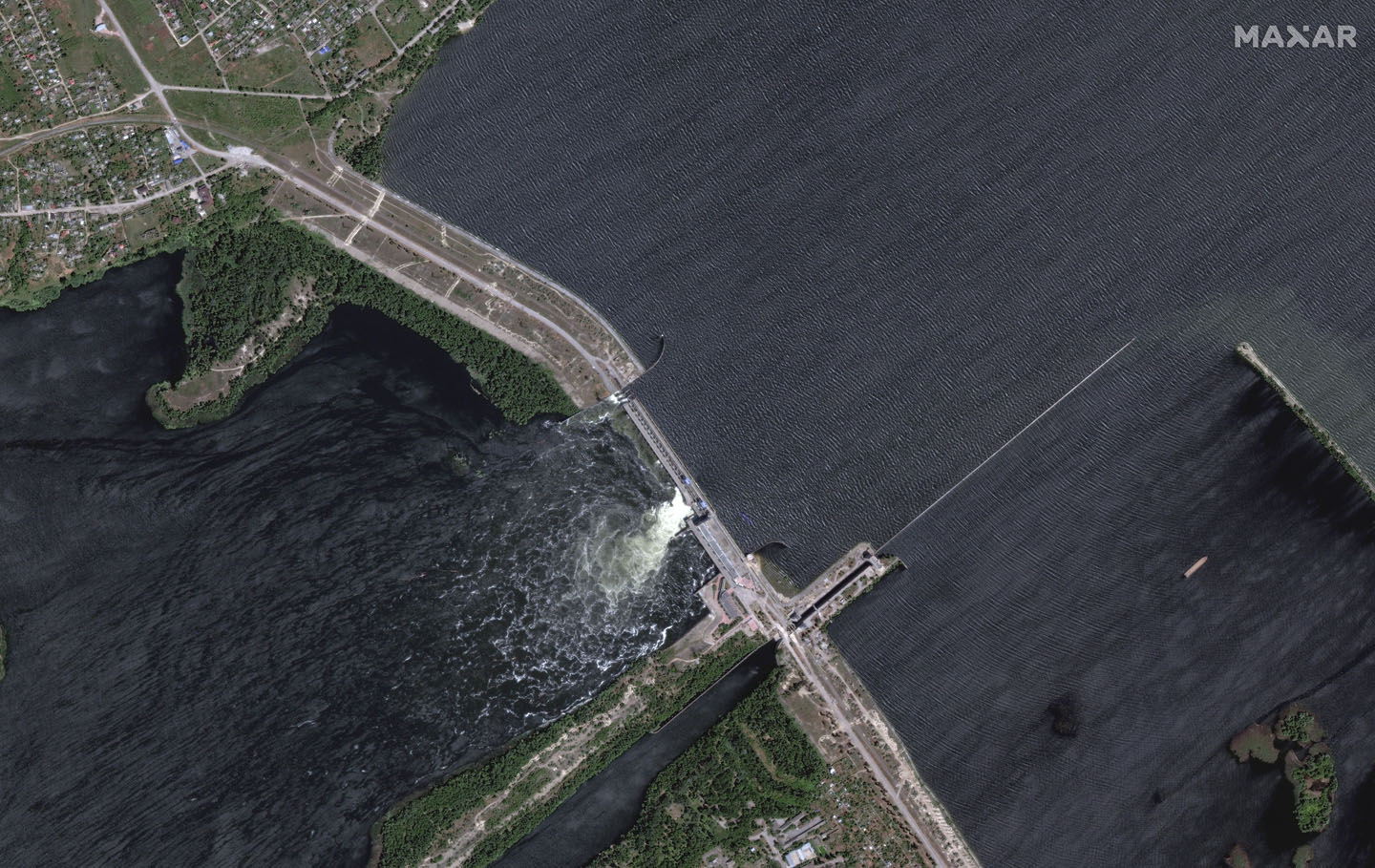
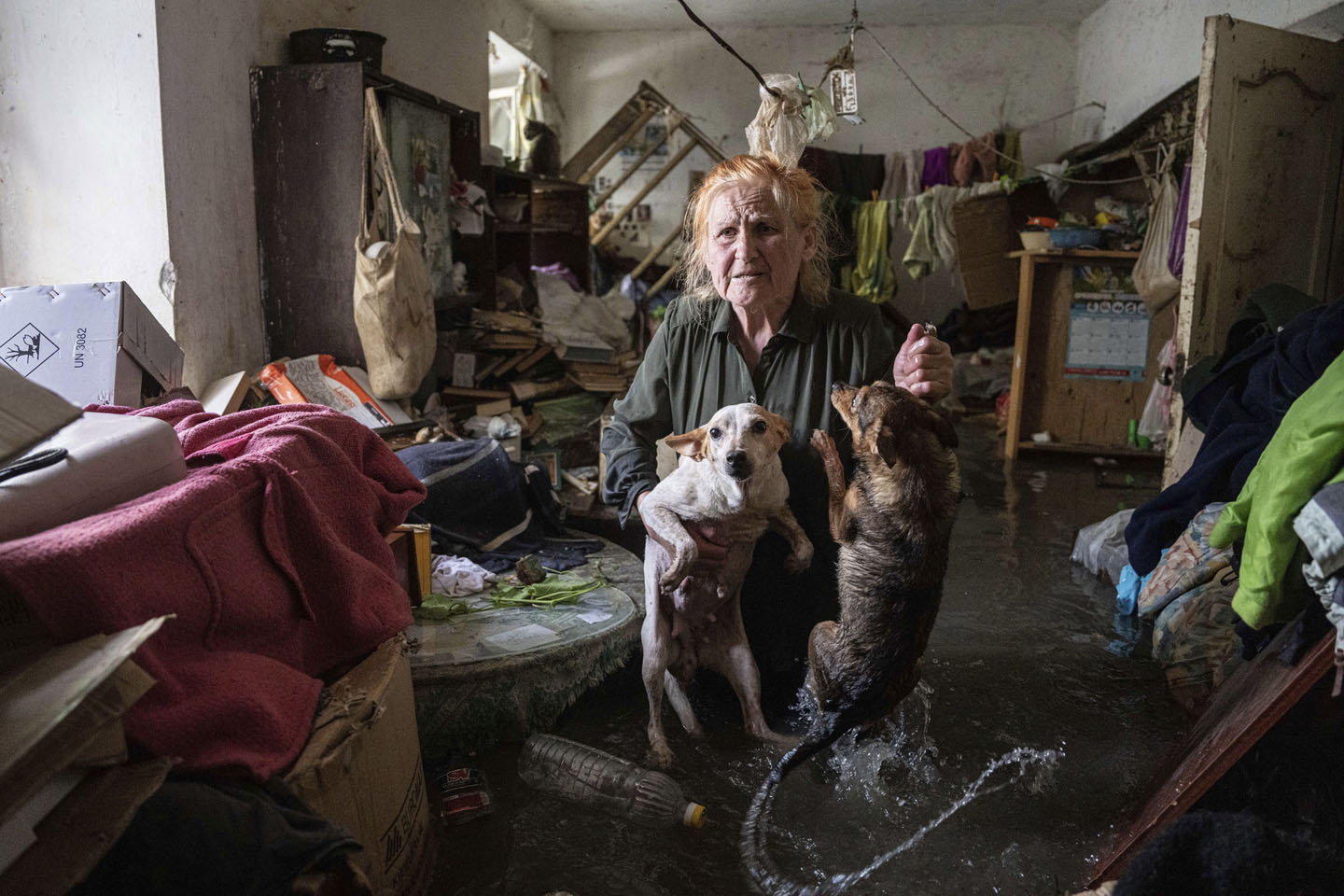
The impact of the collapse of the Kakhovka dam, which was demolished in early morning on June 6 continues to worsen, forcing more people to flee their homes and disrupting access to water and other basic services, the United Nations warns.
An estimated 1.300 people living in areas controlled by Ukraine had only one option, which was to leave their flooded homes, according to the International Organization for Migration. The Ukrainian government said the number had risen to nearly 2.000.
Threatened water access for 700.00 people
Access to drinking water is one of the main concerns, as water levels in the Kakhovka reservoirs, which provide water for over 700.000 people in southern Ukraine, are rapidly declining.
Further deterioration could occur in the coming weeks, and the number of people at risk of flooding could rise from 17.000 to almost 40.000. The flooding is expected to last about a week, according to various forecasts, with serious humanitarian consequences that will last long after the waters recede.
Photo: AP/Nina Lyashonok
In the following year, noticeable problems with food
According to a UN statement, thousands of hectares of agricultural land in Ukraine have been flooded, which is likely to cause the loss of recently planted crops. Ukrainian authorities also said the dam's destruction decimated irrigation systems in flooded areas, making agriculture difficult in an area that depends heavily on crop production for both domestic consumption and export.
In addition, over 60 hazardous industrial facilities have been identified in areas potentially affected by flooding. Of these, 20 are located in the zone of increased flood risk. This adds to concerns over the possible displacement of mines and other explosive devices by floodwaters, putting thousands of civilians at risk.
UN humanitarian chief Martin Griffiths told the BBC that the impact of the event on global food security could be significant.
"It is a granary, the entire area downstream, towards the Black Sea and Crimea, is a granary not only for Ukraine but also for the world." "We are already facing difficulties in terms of food safety, but its prices will now, I am sure, rise," said Griffiths.
"It's almost inevitable," he added, "that we're going to see huge, huge problems in harvest and sowing next year." "Because of that, we're going to have a huge impact on food security, that's going to happen," Griffiths warned.
The Briton also said that the damage of this scale to civilian infrastructure is in complete contradiction to international humanitarian law, including the Geneva Convention.
"It's obvious," he said, "whoever did that, violated the Geneva Convention."
Transfer of responsibility
Ukraine and Russia continue to exchange accusations over the demolition of the Nova Kahovka dam. Ukrainian Deputy Defense Minister Hana Maliar said on Sunday that Russia is moving its most ready units from the Kherson area to the fronts in Zaporozhye and Bakhmut, and that this is only possible because of the demolition of this dam, which she claims was done by Russian forces.
ZS/UN/RSE
Read daily news, analysis, commentary and interviews at www.vreme.com