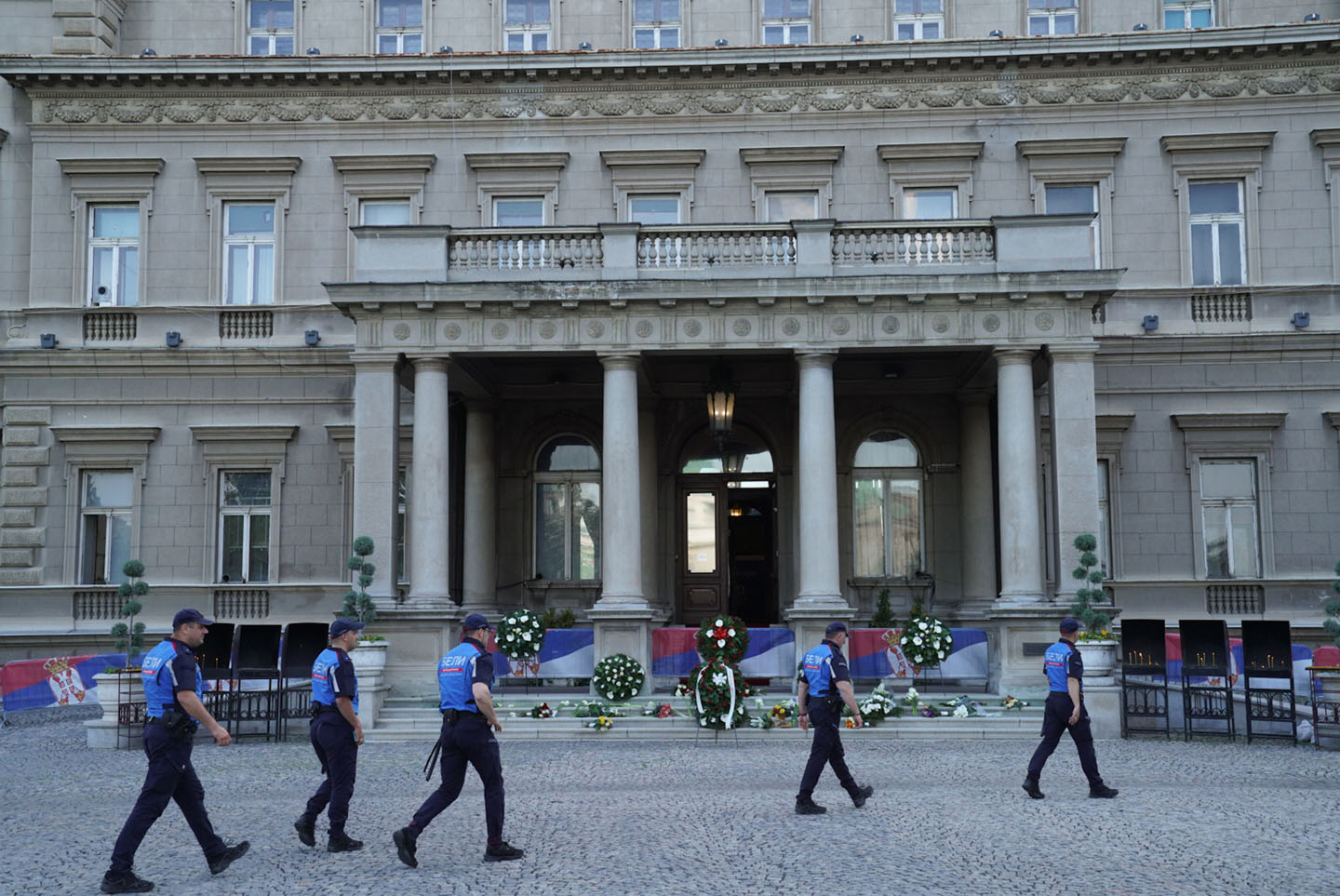
Tragedy is an understatement. There is no word in the dictionary that can capture its scale. Many questions were raised, but above all, the most important, how to help the children who needed our help even before everything happened.
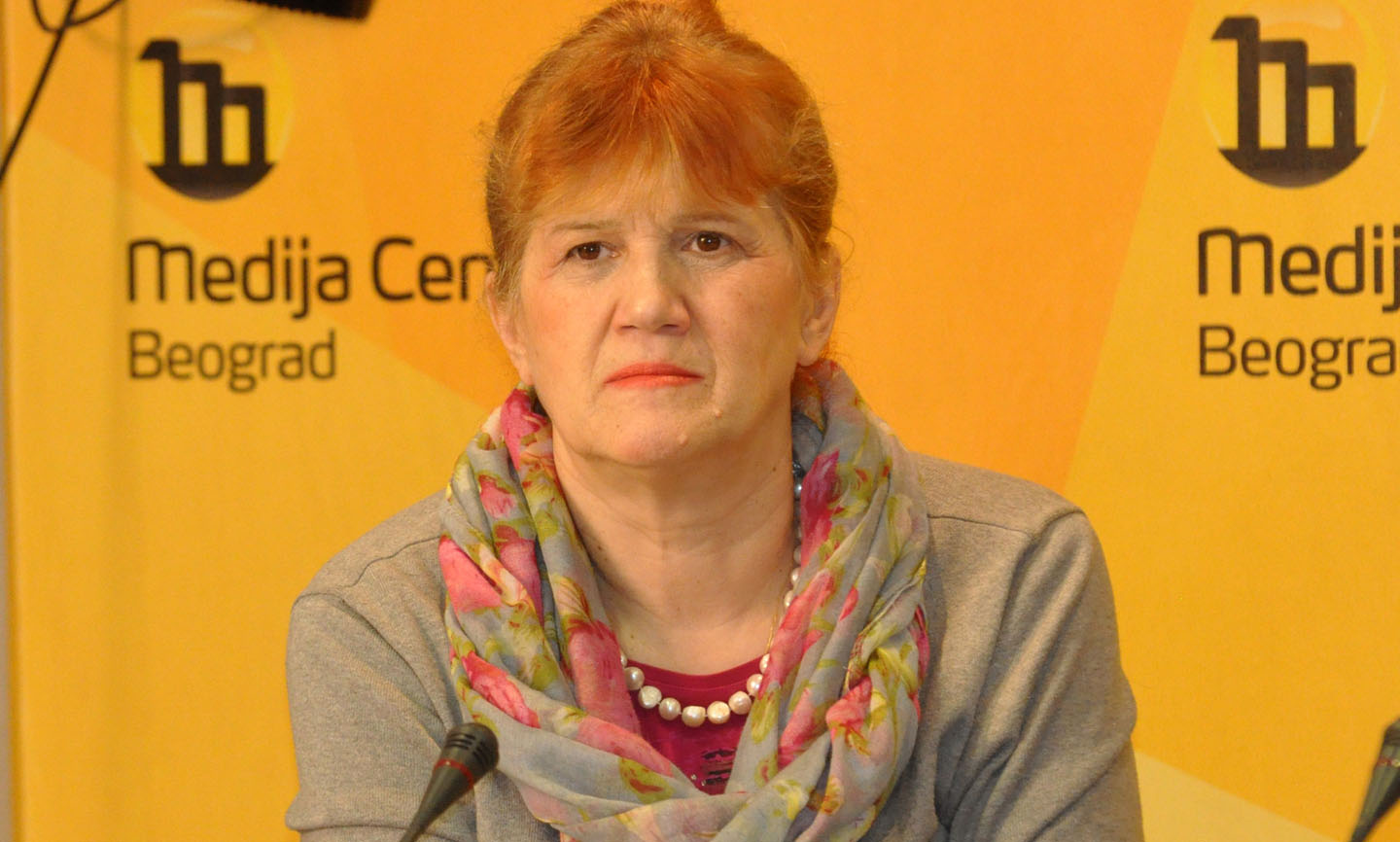
"If you take into account that, for example, there are about 800.000 children in primary and secondary schools, so every fourth, fifth or tenth child does or says something bad, it is an appeal to identify these children. Not with the intention of arresting them, but to help them. They have a serious problem", says our interlocutor, school psychology specialist Biljana Lajović.
When something like this happens, the normal reaction is disbelief, then fear, and countless questions that arise. It's all a process that has to go through, explains our interlocutor.
"Until we adults go through it, we won't be able to help the children to understand what actually happened, how to get out of it and what to do so that things like this don't happen again." Everyone just says that this will never happen again, but what exactly do we need to do to prevent this from happening again?" Lajović asked.
Children are our mirror
Children and young people are slowly returning to school, there is a lot of talk about psychological support, but at the same time, children and young people are insulted on social networks and are mostly judged as beings without empathy. The question arises as to whether the children affected by this tragedy, who are mostly between the ages of 11 and 18, are capable of understanding what actually happened and what the consequences are.
"I think it will be very difficult for children if we don't give them a chance to speak. Let's hear them. Now because of what some have done, which is really unacceptable, to support liking these tragedies, we think everyone is like that, that's just not true. Generalizations and generalizations are very dangerous, we cannot say that all young people are like that. If we put a mirror to look at who we are, we would realize that everything that happens to children is just a reflection of what we do and how we behave. We have fallen into criticizing everyone, and we don't see ourselves. I would like each of us to think about what, for example, he did well for someone else yesterday. Let's start from ourselves. And then the children will have something to see", says Lajović.
The family lacks support from society
The essence of the problem we find ourselves in has many layers. The first targets are always the system and the state. However, at the very core, no matter which way you go, lies the family. All these elements are actually in an inextricable relationship.
"The essence of every problem is that the key pillars of society, not the state, have been completely destroyed. The immediate family is difficult to function. Parents are at work all day, which is uncertain. The role model is those who get money easily, and it is always dirty money, bad jobs. The support of the extended family is not there as it used to be. In the upbringing of some earlier generations, you had role models in your family other than your parents. There were grandparents, uncles, aunts and uncles who could always jump in. That someone besides his own children can look after your children as well", says Lajović.
She cites the example of a Belgrade school where the parents of the younger classes organized themselves so well that if a parent cannot be with the children, they report and someone from the group comes to look after them.
"It's wonderful, because social life is built through socializing. Social life cannot be built by sitting alone. On the other hand, when you have a friend from childhood, you have someone to confide in. You talk about one type of thing with your parents and another with your friends. But it is important to talk. We can't do it all by ourselves. A human being needs another being in order to be able to function properly", warns Lajović.
Our society is like a pressure cooker without a valve
She reminds that positive examples are very important in society, and that children should return to traditional play.
"If we pay attention, what is happening now is a classic psychological story. Not all aspects develop at the same speed. If the difference is much, then you do not have a well-structured personality. But with large oscillations that can be very dangerous. Nothing that is bad is ever the result of one cause. Rather, it is a set of bad things and terrible pressure that we all live under, and then that pressure is transferred to the children. At some point, it has to pop out somewhere, like a pressure cooker whose valve doesn't work", says Lajović.
We expect too much from children
The developmental period in children from early puberty to the age of 23 is very critical. It is very important to be able to listen to children at that age, and also to know them.
"We have lost the ability to hear each other, to understand what the children are telling us. We don't know each other well, not even within the family. As soon as it's like that, you don't know what someone wants, what they need, what bothers them", says Lajović.
The only thing that is certain is that we have to stop, to see where we went wrong and to fix it as a matter of urgency. The problem is a very seriously disturbed value system in society, a crisis that has been going on for a long time.
"We have no resistance to problems, we do not develop resilience. We teach children that everything must be done now and immediately. It can't be like that. We must not set the bar so high that our children grow up under the pressure of some high demands on the one hand, and on the other hand to satisfy all their wishes and needs financially", Lajović believes.
It is difficult to grow up in confusion
In the end, it is necessary that we all listen to each other. How many parents read a book to their children before bed? How many times have we asked a child when he comes home from school what's new, without thinking about grades.
"We should set ourselves the task of starting with one day a week when we won't ask what grade you got. To stop paying for damn private lessons so that our child can get all A's. Let's keep pressuring them, and on the other hand, let's talk bad about the school. And from a third party to buy diplomas and get employed through the connection. It's all connected and confused. What can a child understand from such messages?", asks Lajović.
It is very difficult to grow up in confusion. Children have no guidelines on what to do. Only stable social norms can help them in this. Can we reinstate them?
"Everything we made, we can fix. It just depends on whether we make the decision to do it. It is important that we are aware of how much we have messed up as adults. Because we messed up dangerously", says Lajović.
Read daily news, analysis, commentary and interviews at www.vreme.com