"Black Friday", the day before the last weekend in November, when merchants give the biggest discounts, has long since become a home in Serbia, and the euphoria of shopping has caught our customers as well.
Just like in America, where it originated, "Black Friday" has spread to the whole week and even the whole month of November, in which traders compete for the biggest possible discounts. Or at least it should be…
This day in our country became popular only a decade ago, although it never really took off like in the United States of America.
Nevertheless, the interest of consumers in Serbia exists, especially because they are "bombarded" daily with numerous promotional offers from screens, shop windows and other things.
"Black Friday" is characterized by numerous discounts from retailers and on that day consumers should get the opportunity to buy things at reduced prices. However, in practice this is often not the case.
Traders in Serbia copied the American trend regarding the timing of "Black Friday", but in our area the discounts are much smaller than across the ocean.
It's easy to get carried away in the whirlwind of offers and discounts online and in brick-and-mortar stores. And while it makes sense for retailers to participate in these "shopping holidays" to maximize sales and clear inventory, consumers should be careful not to be too tempted by what are often just supposed to be the "best deals of the year."
Moreover, it makes sense to wait a second before pressing the payment button.
The Ministry of Interior issued a warning for shopping on "Black Friday"
The Ministry of Internal Affairs (MUP) has warned citizens, on the occasion of mass sales as part of today's "Black Friday" campaign, to be careful when shopping online and pay special attention when paying, so as not to be a victim of fraud.
Citizens should check the web address from which they buy or make any payment, they stated from of the MUP.
It is also necessary for citizens to check whether data transmission in communication with the site they are visiting is protected, as well as to use https and ssl protocols, explained the MUP.
They emphasized that under no circumstances should payment card information be sent via e-mail or any other means of communication.
Mass buying of unnecessary things
According to Statista, many consumers admit that they often buy clothes that they never wear. In these cases, they could save 100 percent off the retail price by simply resisting the urge to splurge.
The data also show that women in different countries are the ones who buy things they don't need.
However, the prevalence of unnecessary shopping varies from country to country, ranging from 29 percent of female respondents in the UK to just 12 percent in China.
In the United States, 23 percent of women and 19 percent of men admitted that they often buy clothes that end up at the bottom of their wardrobe pile, which they never wear.
In Brazil, hordes of people flooded malls in 2017 for Black Friday deals on TVs. In France, climate activists held "Blocked Friday" protests in 2019 to denounce the day's rampant consumerism. ("Work, consume and keep quiet, that's the message given to our youth," chanted protesters who gathered outside the mall.) And this year, Amazon workers around the world will organize strikes and protests for better working conditions to coincide with Black Friday for the third year in a row.
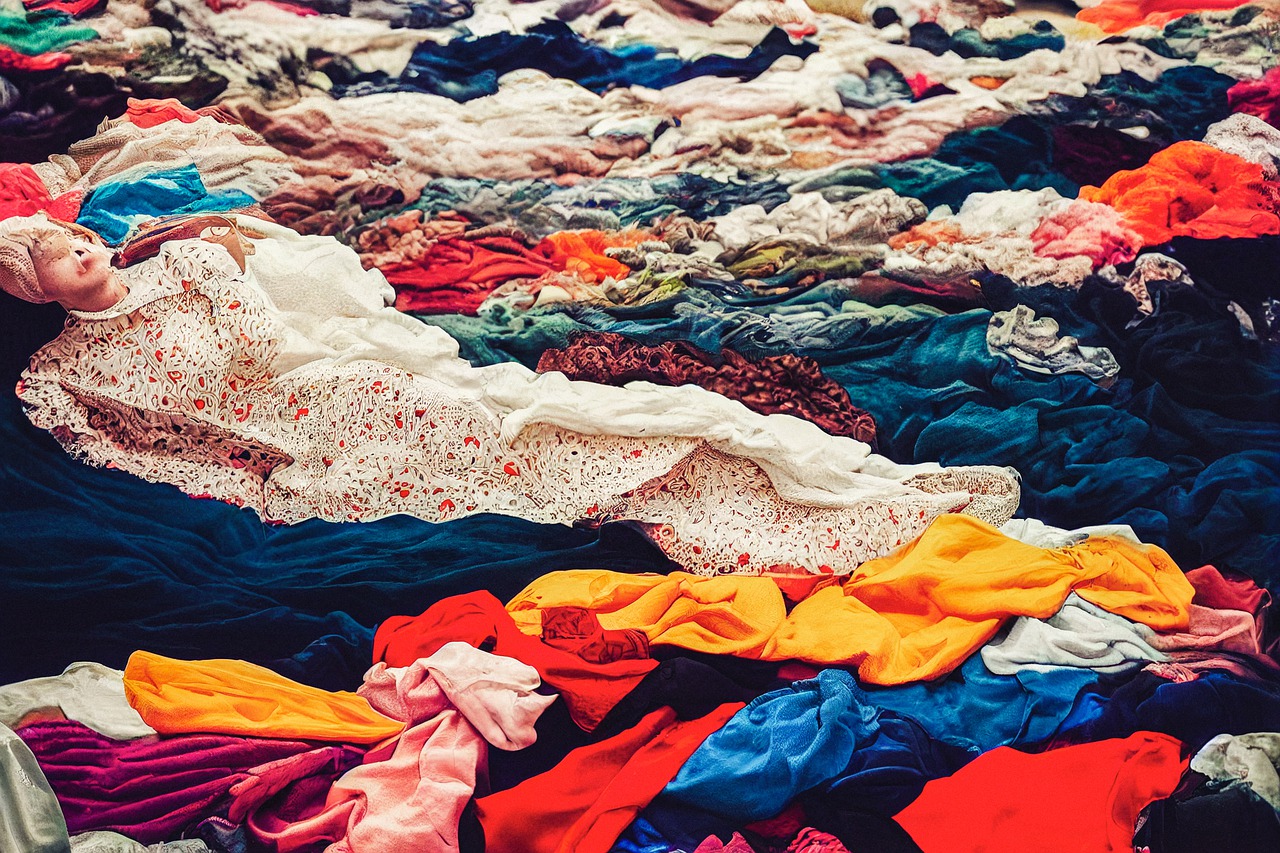
The other face of fast fashion
While people queue for miles to buy bargains to make ends meet, Bangladesh's 3.500 garment factories account for about 85 percent of the country's $55 billion annual exports, and among those sourcing from the country are some of the world's leading brands, including Levi's, or in Serbia the very popular Zara and H&M.
Garment manufacturers in Bangladesh have closed 150 factories indefinitely. Police have filed charges against 11.000 workers in connection with violent protests demanding an increase in the minimum wage, officials said.
Working conditions are very difficult for many of the four million workers in this sector, the vast majority of whom are women whose starting monthly salary was almost 75 dollars, Biznisinfo reports.
Violent protests for better wages broke out last month. Since then, at least three workers have been killed and more than 70 factories have been looted or damaged, according to police.
A commission appointed by the Government raised wages in this sector by 56,25 percent, to $114, but the workers refused and demanded a minimum wage of $210.
Last week, 15.000 workers clashed with police on a key highway and looted the modern Tusuku factory and a dozen other facilities.
There is no free lunch
Last year, US consumers spent a record $9,12 billion shopping online during Black Friday, according to Adobe Analytics, which tracks sales on retailer websites. Services like "buy now, pay later" make it much easier for consumers to go into debt even for things they can't afford.
The world media reports that the shopping fever is spreading more and more intensively all over the world. Thus, numerous marketing tricks can be used in Serbia as well. Traders offer illusory discounts and prices that are actually slightly lower than regular prices.
And while various "services" are provided to customers with false discounts, environmental experts warn that the environmental consequences are incalculable.
Read daily news, analysis, commentary and interviews at www.vreme.com