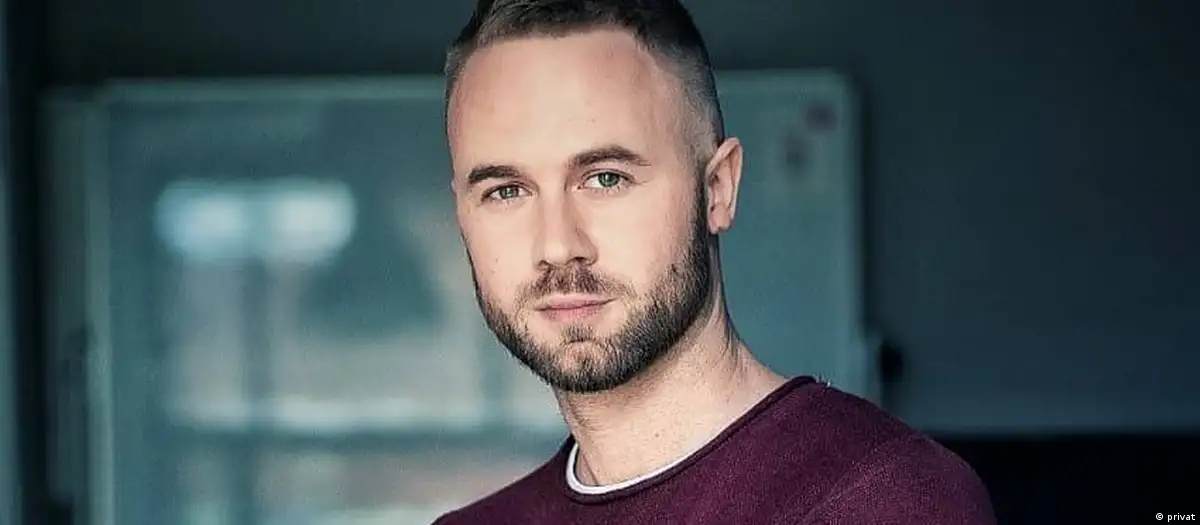
Andrej Gnjot lives in a small apartment in Belgrade, which after seven months in prison sometimes even looks like freedom. This one Belarusian journalist and activist he was arrested last year in Serbia on an Interpol warrant for alleged tax evasion in Belarus, it says Deutsche Welle.
Gnjot, however, claims that it is a matter of political persecution and that he is working on his defense from morning to night under house arrest.
"Knowing that neither Interpol nor any country would deal with such dirty business as political persecution, the Belarusian dictatorial system does it under the veil of criminal law, most often through finance." There are many examples of that, the same as my case," says Gnjot.
He is one of the founders of the organization SOS BY. The Belarusian regime labeled them an "extremist formation" due to their political activities. That is why Gnjot fears that in case of extradition to Belarus, repression and torture await him.
"Belarus is the only country in Europe that has the death penalty. And the dictatorial system is happy to use all those terrible methods to show Belarusians, both inside and outside the country, that Belarusians are in danger, that the system can do anything to them," says Gnyot.
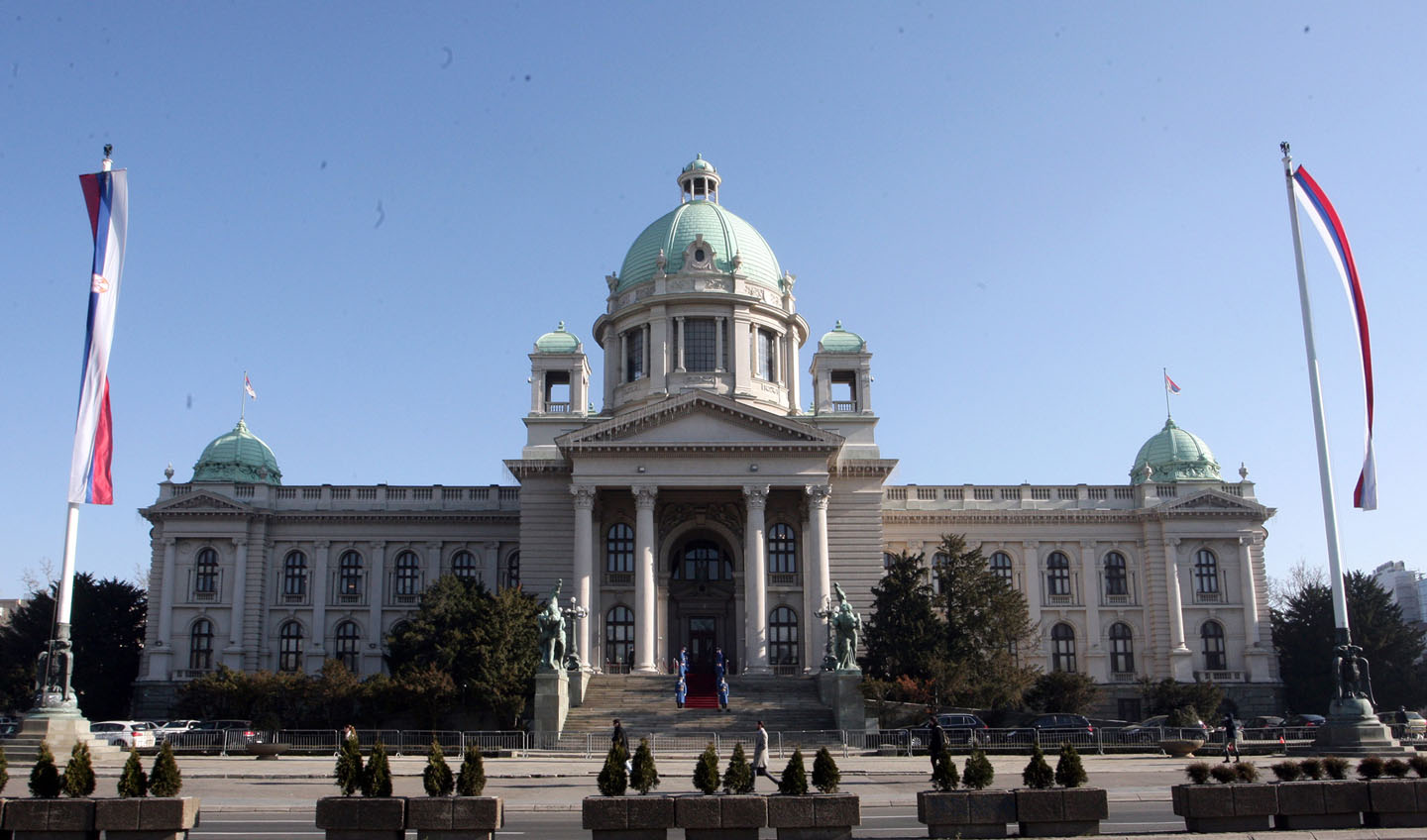
The High Court in Belgrade made a first-instance decision ordering Gnjot's extradition to Belarus. Gnjot and his lawyers appealed, arguing that the court failed to consider the political background of the case.
One signature until extradition
Lawyer Filip Sofijanić says that there is no legal deadline in which the Court of Appeal should decide on this, but they assume that it will be in about one and a half to two months.
"Depending on what the verdict will be, if the Court of Appeal confirms that the conditions for extradition have been met, Andrej Gnjot will only be separated from extradition, i.e. deportation, by the signature of the Minister of Justice," explains Sofijanić.
The Belgrade Center for Human Rights is very familiar with such cases. Their analysis showed that Serbia repeatedly violated the rights of persons who were in the process of extradition.
"Previous practice has shown that courts very often explicitly state in their decisions that they are not competent to decide whether a person is threatened with expulsion or torture in the country, but that it is either within the competence of the asylum office, that is, the asylum procedure, or it is under the jurisdiction of the Ministry of Justice in that part in which the Minister of Justice can refuse extradition if it is a political crime", this organization claims.
Support from all over the world
While waiting for the final decision, Andrej receives numerous messages of support from all over the world. Among them is the support of the Belarusian opposition leader Svetlana Tihanovska.
But there are also threats that, if he is extradited, the authorities will charge him for all the interviews he gave from custody.
"I will fight to the last drop of blood if I have to, because a system, a dictatorial system, a very cruel system, a senseless system, a merciless system - should not kill people just because they think differently." I never wanted to leave my country, I love Belarus, I am Belarusian, I am a real Belarusian, it is in my blood, but the dictatorship took my country away from me," says Gnyot.
It's time for a walk. Andrej Gnjot under house arrest has the right to go out only once a day for one hour. That brief semblance of freedom gives him hope that he will still win this battle with the dictatorship.