
Bulgaria
Presidential elections in Bulgaria: Second round almost certain
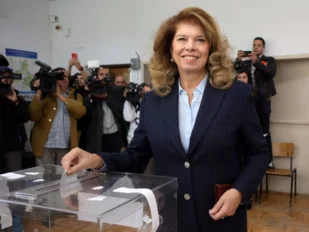
Presidential elections are being held today in Bulgaria. By 3:00 p.m., about 15 percent of voters had voted. According to pollsters, the second round is almost certain

Hundreds of thousands of people are protesting across Europe over the high cost of living, the housing crisis, pensions and the state of education. Clashes with the police in France, Italy, Spain and Albania
Europe is not calming down: from Paris and Milan to Barcelona, Madrid, Lisbon and Tirana, hundreds of thousands of people took to the streets.
The occasions vary, but demonstrators links dissatisfaction with the high cost of living, the state of education, the pension system, the housing crisis and government policies. U France, Italy, Spain i Albania there was also a conflict with by the police.
In France, according to the data of the Ministry of the Interior, around 410.000 people participated in protests across the country, including 110.000 in Paris. The trade union union CGT estimates that the number of demonstrators was twice as high, or around 800.000.

The protests organized by the trade unions were initially peaceful, but clashes with the police broke out in the late afternoon and evening in Paris. Security forces used tear gas and water cannons, while detonations were heard in the city center.
There were also clashes in Lyon, Bordeaux and Marseille. A store was robbed in Nantes, while a man was seriously injured in Toulouse.
French Interior Minister Laurent Nunez said that almost 1.000 people were arrested during the day and announced that this number could increase further. According to him, the police faced an "extremely high level of violence" from extreme left-wing groups.
French high school students and students have been protesting for weeks, demanding better conditions in schools. They were joined by other groups dissatisfied with the high cost of living. The "Yellow Vests" movement has announced new demonstrations for October 31.
The human rights organization Amnesty International criticized the bans on gatherings and curfews introduced in certain parts of the cities, warning of a "trend towards authoritarian practices".
Thousands of young people protested in Milan, Rome and Turin, while authorities deployed large numbers of police and soldiers to prevent a repeat of the previous weekend's violence and looting.
Prime Minister's Government George Meloni it sent an additional 500 soldiers to Milan and announced tougher penalties for minors who participate in violence. The additional forces joined the thousands of police and other security personnel deployed in the city.

Luxury stores in the fashion district barricaded their windows, while authorities used drones, train station controls and rapid response units.
Thousands of young people marched through the city shouting slogans against the government. One group of protesters unloaded manure in front of Italy's energy regulatory body and set fire to a symbolic oversized electricity bill.
Unlike the previous weekend, the protest in Milan ended peacefully. There were shorter conflicts with the police in Rome and Turin.
In Rome, a small group of protesters tried to enter the Colosseum, but were escorted out by guards. Clashes also broke out during a separate anti-war march near Republic Square. The police used tear gas and a water cannon, after which the protesters retreated.
In the capital of Albania, 2.500 police officers were deployed due to new anti-government protests. Riot police used tear gas and water cannons against the protesters, some of whom set fire to parts of government buildings and pelted police with rocks, torches and other objects.
High school students and students demand lower tuition fees, greater government investment in education and the fight against corruption. A part of them joined the wider anti-government movement demanding the resignation of the prime minister Edija Rama.
Rama said his government was preparing a response to the students' demands and called on the protesters for dialogue, but warned that those responsible for the violence would be punished.

In Barcelona, youth demonstrations against high housing costs and poor living conditions turned violent. The protest was organized via social networks by the "Institutes Indignats" movement, modeled on the French movement of disaffected high school students "Lycées Indignés".
Masked protesters set fire to containers and barricades, damaged street furniture and looted shops around Plaza Catalunya. Some stores locked customers inside to prevent rioters from entering.
100 people were arrested, approximately a quarter of whom were minors. According to the Catalan authorities, more than 30 fires were set, and 14 shops were damaged or looted.
Unlike in Barcelona, the protests in Madrid were peaceful. Tens of thousands of pensioners and other citizens demanded the protection of the public pension system, opposing the possible privatization of pensions.
"They threaten us with the privatization of pensions. It's just another thing they want to profit from," said 68-year-old protest participant Maria Jose Benito.
The issue of pensions became one of the topics before the early parliamentary elections in Spain. At the same time, the country is rocked by protests over the housing crisis, as rents and property prices have risen beyond what many citizens can afford.
Mass protests due to overpriced housing were also held in Lisbon. Demonstrators criticized Prime Minister Luis Montenegro's government measures to ease restrictions on rent increases and make it easier to evict tenants who do not pay on time.
The government claims the measures will boost the rental property market, while protesters warn they further weaken the position of tenants.
Election time! And someone has to report to you independently. That's why it's in October annual subscription the digital edition of "Vremena" even 2.500 dinars cheaper. Choose now!
Presidential elections are being held today in Bulgaria. By 3:00 p.m., about 15 percent of voters had voted. According to pollsters, the second round is almost certain

In October, Moscow's airports suspended operations almost every day because of Ukrainian drones, and experts warn that further escalation could seriously threaten civilian air traffic in Russia.
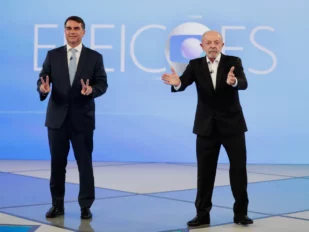
The choice comes down to the current president, leftist Luiz Inacio Lula da Silva, and right-wing senator Flavio Bolsonaro.

Thousands of people gathered in Tirana for a new anti-government protest. Demonstrators threw stones at police and set fire to the entrance to the Ministry of Agriculture, while law enforcement responded with tear gas, water cannons and rubber bullets.

The French Ministry of the Interior estimated that there were around 410.000 people at the protests, while the CGT union stated that there were close to 800.000. In Paris, the police used tear gas and water cannons

At the moment when this text is written, Pionirski Park is filled with police and masked men dressed in black and carrying mysterious large bags in which, we assume, they are not carrying wafers and southern fruit. But why all that?

There is, literally, no difference between the one who claims it is day in the middle of the night, or the one who claims to be a giraffe, from the claims we read on billboards: that Vučić is working to unify Serbs and that Serbia is doing better and better day by day.

The pre-election arrests due to the alleged "overthrow of the state" testify to the regime's panic. The bad news for them is - they can't arrest the whole people who decided to defend themselves from progressive beatings and election theft

The archive of the weekly Vreme includes all our digital editions, since the very beginning of our work. All issues can be downloaded in PDF format, by purchasing the digital edition, or you can read all available texts from the selected issue.
See all



