The 61st Biennale opens in Venice tomorrow (May 6). for journalists and experts as a three-day vernissage, and the official opening, for the public, will be on May 9.
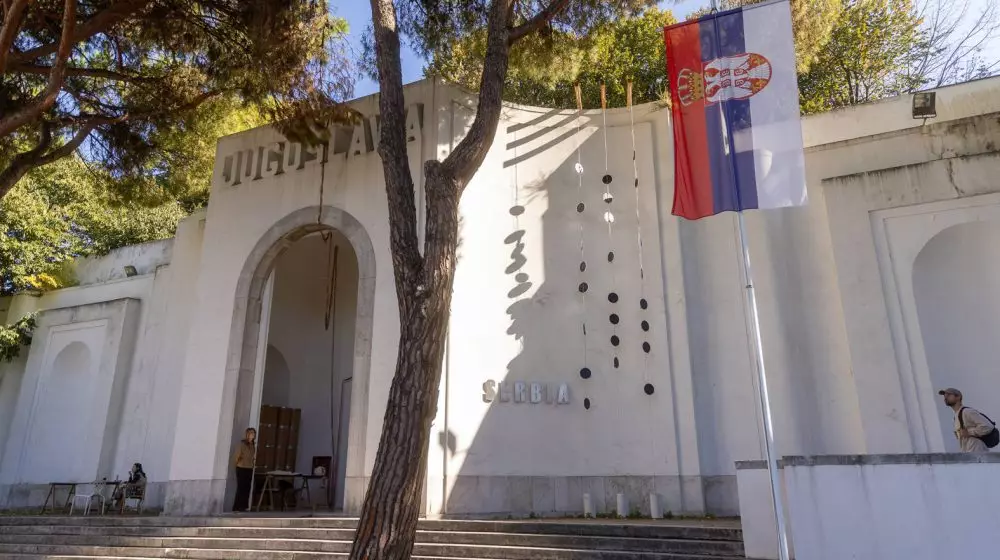
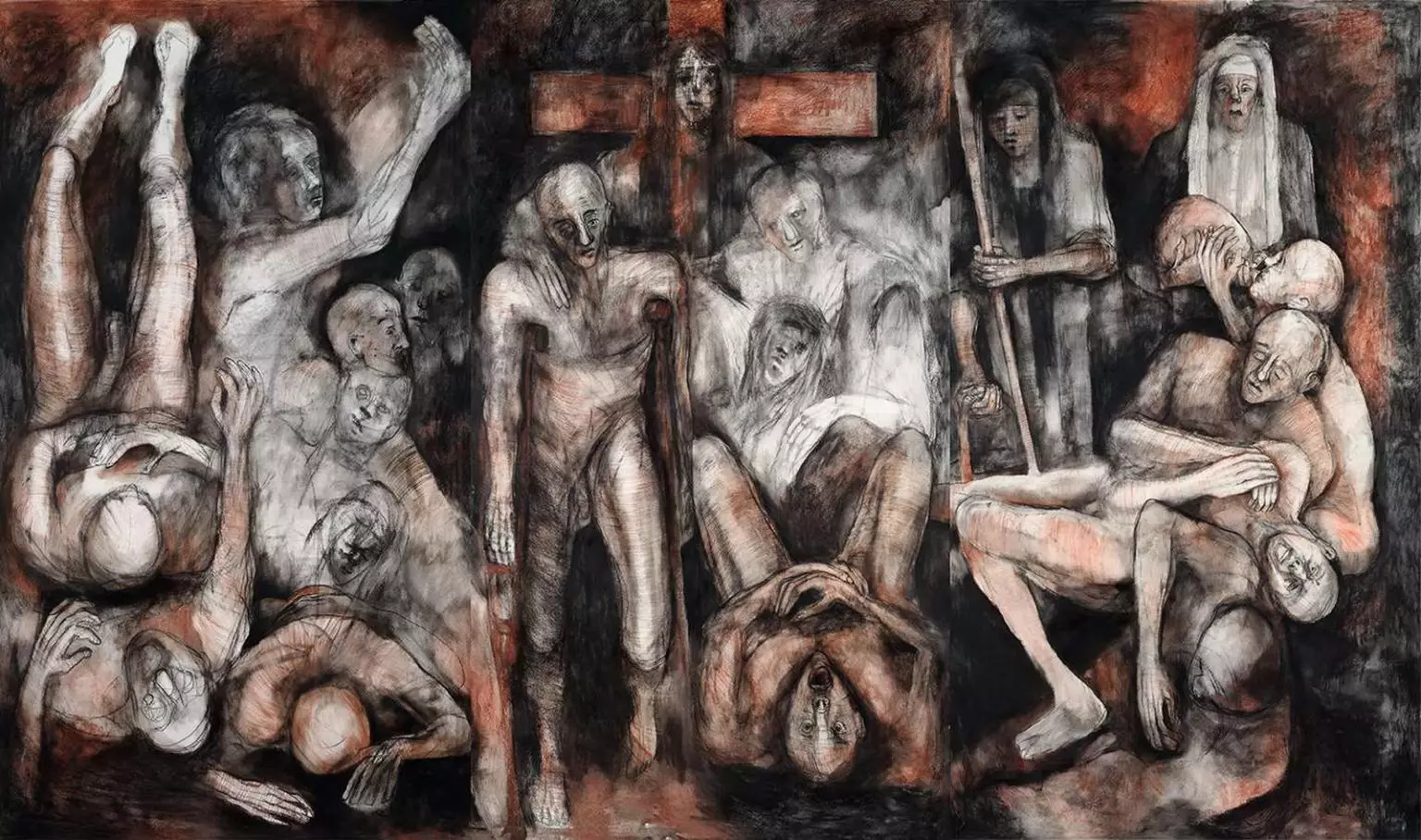
Serbia will be at the Biennale imagine Predrag Djakovic exhibition Through Golgotha to Resurrection - a little later we will remember the negative reactions that this choice caused.
Without a jury, and perhaps without money
The 61st Biennale will not have a jury, because it is on the last day of April collectively resigned, a week after announcing it would exclude Russia and Israel from the awards because the International Criminal Court has issued war crimes arrest warrants against their leaders.
Earlier, the European Commission notified the organizers of the Venice Biennale of its intention to suspend or terminate €2 million in funding after they allowed Russia to reopen its pavilion at this year's event, giving them 30 days to respond.
After the resignation of the jury, the organizers decided to move the award ceremony, to hold it instead of the first day of the Biennale on the last day - November 22, and to award two awards. They also announced that they will change the awarding procedure and that visitors will be able to decide who will win the prestigious "Golden Lion", as well as that one of the two awards can be won by any "national registered participant included in the official list of the 61st Biennale, following the principle of inclusion and equal treatment", which includes Russia.
Exhibition in the Serbian pavilion
The installation in the Serbian Pavilion was conceived as "a space of silence that encourages personal and collective reflection, a place for contemplation, not a spectacle." It consists of three elements: a large-format archival exhibition, a sculptural arrangement of hundreds of vintage suitcases, and a video work with a piano composition in A minor, composed and performed by the artist himself.

"Mercy" by Predrag Đaković
The work of Predrag Đaković was selected at the competition of the Ministry of Culture of the Republic of Serbia, and the explanation of the commission pointed out that "art does not serve to aestheticize but to testify", and that Đaković does not paint "beautiful pictures", but his art is a testimony of history and experience. His work combines individual experience, collective memory and universal human destiny.
Negative reaction
The reaction of the local public to the selection of Đaković as a representative of Serbia at the Art Biennale, where countries send the best and most modern they have, was negative.
It's even a petition was launched against this election.
"We believe that the election of Predrag Đaković is the result of an unprofessional and non-transparent procedure by the Commission, which abused its authority, and not the result of evaluating contemporary artistic creativity and representativeness for the domestic and world cultural scene."
We dispute the work of the commission whose members are closely connected with the party in power, which qualified them for a series of public functions that they perform without professional integrity and basic professional ethics," the petition read.
The most common arguments against it were that Đaković's work is unknown in Serbia, that it is not even known in Prague, where he has been living for decades, and that it has no values that are recognized as relevant in the international artistic context.
Artists and art historians who publicly reacted to the decision remind the competition conditions and point out that most of them were not respected and state the artistic quality and innovation of the project, reputation among the professional public, references of the author on the international level, as well as the contribution to the establishment and improvement of international cooperation as well as the affirmation of the contemporary art scene of Serbia abroad.
About Đaković
There is little information about him on the Internet.
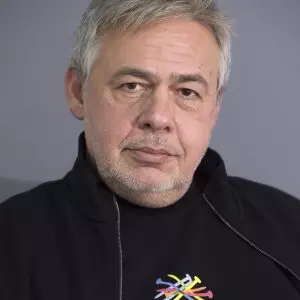
Predrag Đaković was born in 1964, and has been living and working in Prague for decades, where he studied at the Academy of Arts. Serbia got to know him in 2018 thanks to the monograph "Peđa ephemeris of one drawing", published by the Institute of Culture of Vojvodina, the documentary film "Back to the roots" directed by Nenad Ognjenović, and an exhibition in Novi Sad - all on the occasion of thirty years of career. Two years ago, he exhibited in the Matica Srpska Gallery, at the "Prayer as Mercy" exhibition, which also featured the works of Alfons Muha.
Real journalism costs money, and we will not be bought by tycoons and corporations. Support us with a one-time or monthly donation. The time for it is now!