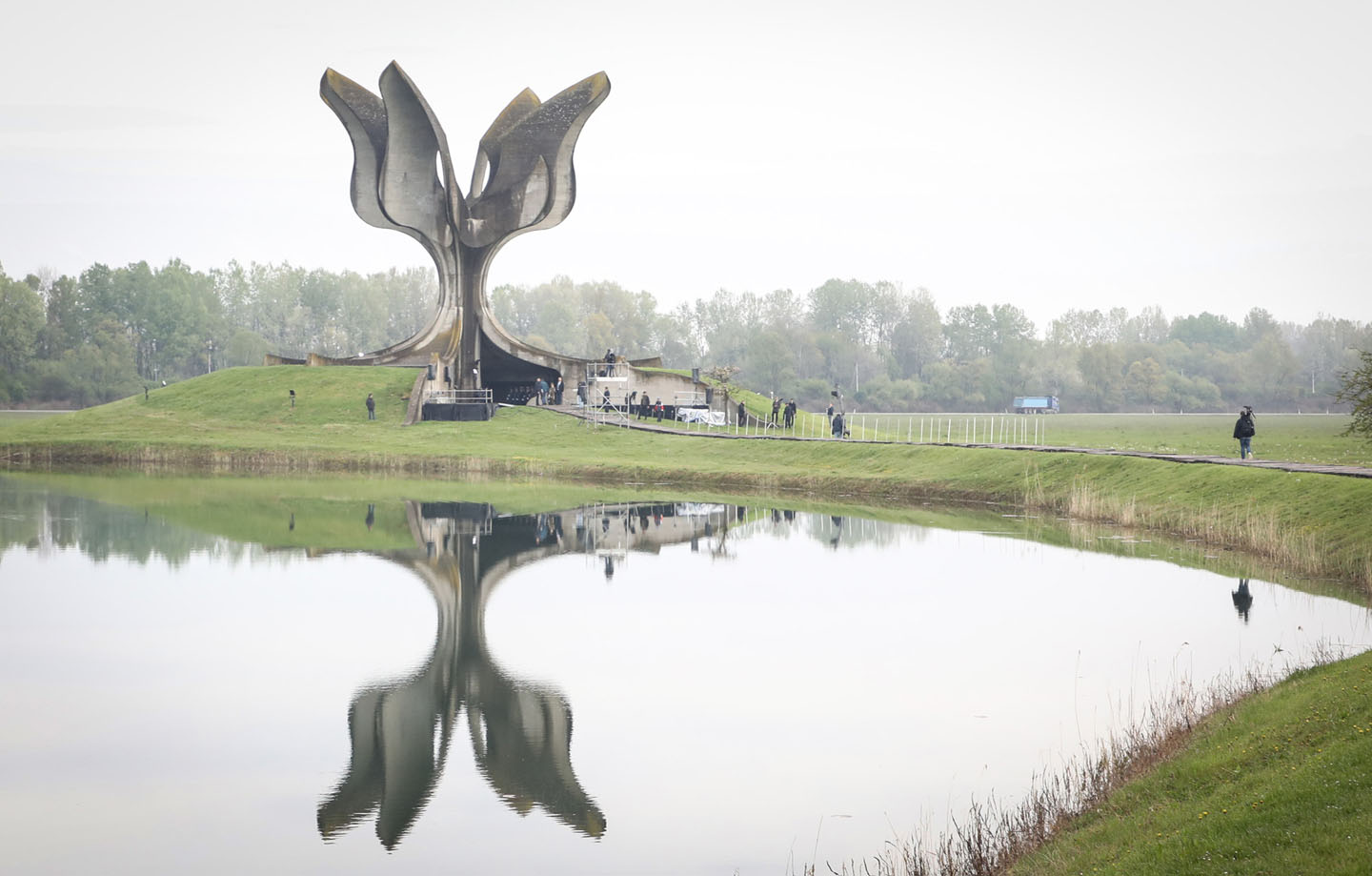
The Serbian public once again heated up the debate about the number of victims in the Jasenovac camp. Bishop Jovan and the employees of the Genocide Victims Museum are again under attack. Why? They devote themselves to these topics, organize conferences and exhibitions, write and speak about the enormous suffering, collaborate with other historians, and their voice is heard outside the region. But for certain (broad) circles, the way they deal with it is unimaginable.
Namely, competition over the number of victims and attempts (works) of historical science to fight for their space - is of course not a specialty of our areas. Here, these discussions are only brought to the light of day every now and then and are usually not aimed at paying respect to the victims.
Moreover, the area of the former Yugoslavia could serve as a textbook example of what is called competitive victimhood - unfortunately translated as competitive, competing victimization - and defines as the subjective claim of each group (people) in the conflict that it has suffered more than the enemy group (the other people) and survived more injustices.
Since we are mi the only and greatest victim, it implies that we are innocent no matter what we do in the future ("we had no other choice") and we are morally unquestionable, superior. Because mi we are good, a They are evil, always and everywhere. Also, the victims of their side do not even deserve to be mentioned. Social psychologists and other scientists around the world are studying this phenomenon.
Why is the position of the perfect victim and the contest of who is the greater victim throughout history so important? What functions does it fulfill? And how are the constant discussions about the number of victims and killed related to that?
The role of the leader in victimization
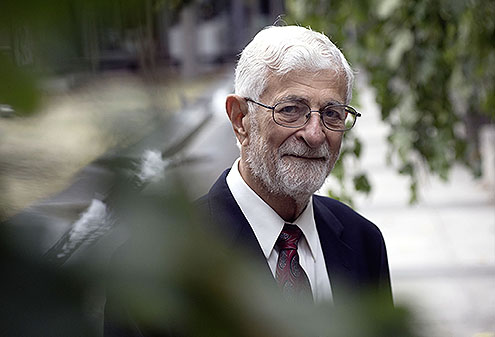
Above all, politicians know that common sacrifice is a strong element of bonding. And that's why many instrumentalize it. Writing about it, a psychiatrist Vamik Volkan points out that the group remembers those events that marked it the most, when its members were most vulnerable, and if these events are mythologized, they become chosen traumas, potential sparks for future conflicts.
"In the early nineties, a psychiatrist invited me to come to Croatia and twice a year I was in Dubrovnik with young psychiatrists from Serbia, Croatia, Bosnia and Herzegovina," said Volkan in an interview for "Vreme". talked, the story would go back to the past. It's like that everywhere. But if your leader doesn't challenge and emphasize all that, then it's not a problem. Chosen trauma is not trauma in itself. It's a matter of identity (…) The leader encourages chosen victories and chosen traumas, but it's not just glory or trauma, it involves dangerous prejudices about others - well, that's the problem."
Therefore, the nation as a group renounces responsibility, refuses to admit its own crimes, because it is a victim and its (mis)deeds are only revenge, necessity... In other words, the image of the shining national past remains untouched and many blemishes are kept silent, and its own actions are justified violence.
To avoid guilt, don't be a hero, but a victim
In this context, two American psychologists wrote an article about the easiest way to get away with doing something wrong or immoral... The title already contained the answer: "To avoid guilt, don't be a hero, but a victim." This is all important and that would get the support of foreign actors and their recognition.
One of the key things in this spiral - who is the bigger victim - is the "numbers game": the number ours victims are increasing, and the number theirs diminishes. That is why, instead of a real discussion about the victims of the NDH or the wars of the 90s, where respect for the victims would be expressed through their names and surnames and memories, there is a conflict over numbers based on the principle - the more victims you list, the more patriot you are.
Read daily news, analysis, commentary and interviews at www.vreme.com