


Exhibition
Museum of the Nineties: A time when design shaped everyday life
In the Museum of the Nineties, the exhibition of logos and visual identities of Yugoslavia "Yugo.logo" returns to the time when design shaped everyday life
In the Museum of the Nineties, the exhibition of logos and visual identities of Yugoslavia "Yugo.logo" returns to the time when design shaped everyday life

In 1971, I shot a film with Aleksandar Đorđević, according to Duško Radović's script How two fools loved each other, with Dragan Nikolić and Milena Dravić. They played a couple in love who are constantly interrupted by the third - Gidra Bojanić. We shot one scene at night, at the Observatory on Zvezdara. Milena and Dragan came to the filming and announced that they got married that day at noon in the Municipality of Vračar. We made a scene, then celebrated late into the night

The German newspaper "Frankfurter rundschau" wonders whether new arguments will break out over Zejna's song "Yugoslavia" if it is placed in Vienna.

This year's winner of NIN's award, Darko Tuševljaković, whose novel "Carota" examines the time of Yugoslavia, says that it is a sensitive and difficult topic, well known in our country, and that it will always be written about.

"The former Mostar still exists - it lives on. There is also the former Sarajevo, and the former Belgrade - but as a minority energy. Which will not disappear. That is why it is impossible for the space to be 'cut' to the end and for everything to end the way the nationalists wish. That is why the nationalist spasm is coming. They would so much like that minority, that common cultural and social reflex to be gone - that it does not exist, that it does not survive - but they cannot fight against it. And that is, paradoxically, both our strength and our worst problem: we are a media and publicly influential minority, numerous enough to bother, but not strong enough to turn things around"

Theaters from six major Yugoslav cities, members of the Traveling Festival of the Regional Union of Theaters, are again guests at the Belgrade Drama Theatre, they speak their own languages, and - they understand each other

How the unsuspecting Prime Minister Đuro Macut became involved in glorifying the Non-Aligned Movement, implementing a foreign policy that was one of the trademarks of Tito's communist Yugoslavia

Vladimir Goati was a political scientist, sociologist and analyst of political and social processes in Serbia and the territory of the former Yugoslavia

In the Kosovar myth, mutually incompatible values of heroic virtue and the ideal of martyrdom were found, due to the fact that echoes of real events penetrated into the church discourse, imposed themselves there, and undisclosed historical facts were found there. The mundane feat of a fearless military leader who went into battle against a superior enemy is overshadowed by religious martyrdom

Numerous admirers of Josip Broz Tito, delegations of fighters and organizations that inherit the memory of the National Liberation Struggle paid tribute to Tito on the occasion of the former Youth Day

Although it gave American drivers headaches, the Yugo gained cult status in Hollywood. The former symbol of Yugoslavia could soon get a second chance, but in a modern version

Professor Aleksandar Bjelic from Germany wants to develop a prototype of the modern "south" by 2027 and present it at the Expo 2027 exhibition in Belgrade

The famous Yugoslav basketball player Dražen Dalipagić was a member of the Hall of Fame and the winner of the biggest competitions at the club and representative level.

As many as 81 percent of respondents in Serbia believe that the breakup of Yugoslavia was a mistake. Historians explain to "Vreme" whether it is the famous Yugonostalgia or something else

The festival of film direction LIFFE in Leskovac is concentrated on the achievements of the countries of the former Yugoslavia. His selector says "as soon as the first frame appears on the screen, the viewer knows that this is the former Yugoslavia, the scenery is like that, the faces of the people are like that"

"Cyclops" is a book by Yugoslav and then Croatian writer Ranko Mariković that should be read when there is a real danger of fire. It was recently published by the Belgrade-based "Kontrast"

Budimir Lončar, Yugoslav and Croatian diplomat, was found today in the sea, in his birthplace on the island of Ugljen

"I must honestly state that I testify about my sighting of a certain person or a specific event." If it's wrong, it's my fault. Whoever disagrees should forgive me," wrote Ivan Ivanji in the introduction to the book "Once upon a time in Yugoslavia", which was published a few weeks after his death.

"Vreme" brings a great investigation into the saga surrounding Tito's inheritance, stored in the safe of the National Bank. The outcome is awaited by descendants, the state, and the Karađorđević family, which relies on restitution

The commemorative postage stamp that Bata Živojinović received on the last day of 2023 tells about him, but also about the spirit of the time in which he lived

In Zagreb, the regional cultural platform Kooperativa celebrates the Yugoslav Republic Day

The Yugoslav People's Movement handed over the initiative to recognize the status of a nation for the Yugoslavs

The vast majority of young people in Serbia, between the ages of 18 and 30, say that they did not receive sufficient and adequate knowledge about the wars of the XNUMXs in the territory of Yugoslavia during their education, according to research by the Youth Initiative for Human Rights.
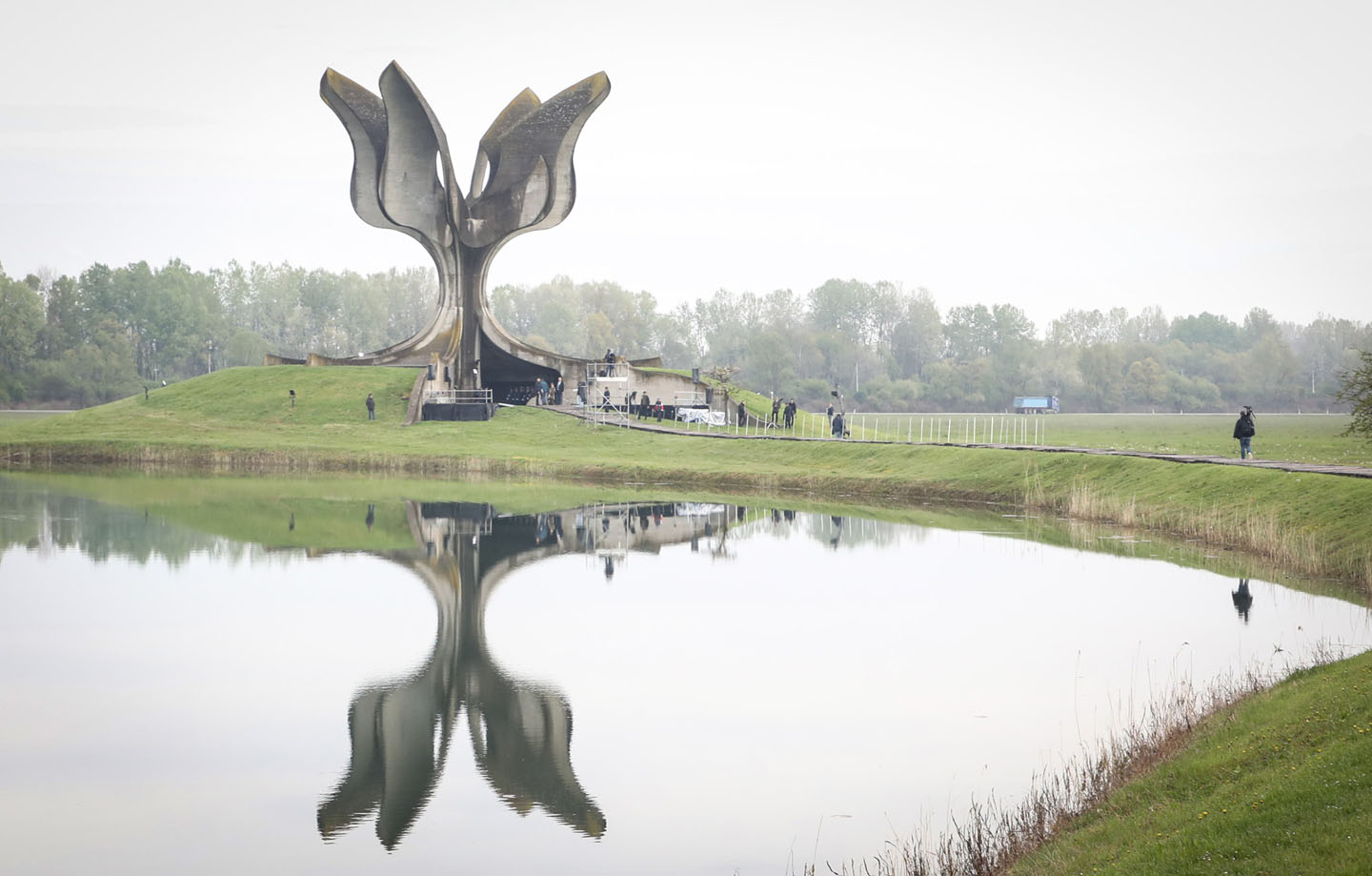
Why is the position of the perfect victim and the contest of who is the greater victim throughout history so important? And how are the constant discussions about the number of victims and killed connected with that

"Twenty-four thousand kisses" by Francesca Rolandi, a book about popular culture and the people who were lucky enough to live in this place in the 1950s and 1960s

Their names cause fear. It is not necessary to know the structure of the atomic nucleus or to understand the force of the chain reaction, it is enough for someone in the room to say one of those terrifying words - Hiroshima, Chernobyl, Fukushima - the evil spirits of nuclear physics will immediately emerge from the dark corners. The dramatic history of the nuclear era is described in the book Alchemy of the Bomb Slobodan Bubnjević through twenty such terrible toponyms, diverse locations on the planet where the use of atomic energy left permanent scars and grew into symbols of modern times. The weekly "Vreme" brings excerpts from chapter 13, dedicated to the origin and development of the Vinca nuclear institute, in four installments.

Their names cause fear. It is not necessary to know the structure of the atomic nucleus or to understand the force of the chain reaction, it is enough for someone in the room to say one of those terrifying words - Hiroshima, Chernobyl, Fukushima - the evil spirits of nuclear physics will immediately emerge from the dark corners. The dramatic history of the nuclear era is described in the book Alchemy of the Bomb Slobodan Bubnjević through twenty such terrible toponyms, various locations on the planet where the use of atomic energy left permanent scars and grew into symbols of modern times. The weekly "Vreme" brings an excerpt from chapter 13, dedicated to the creation and development of the Vinca Nuclear Institute