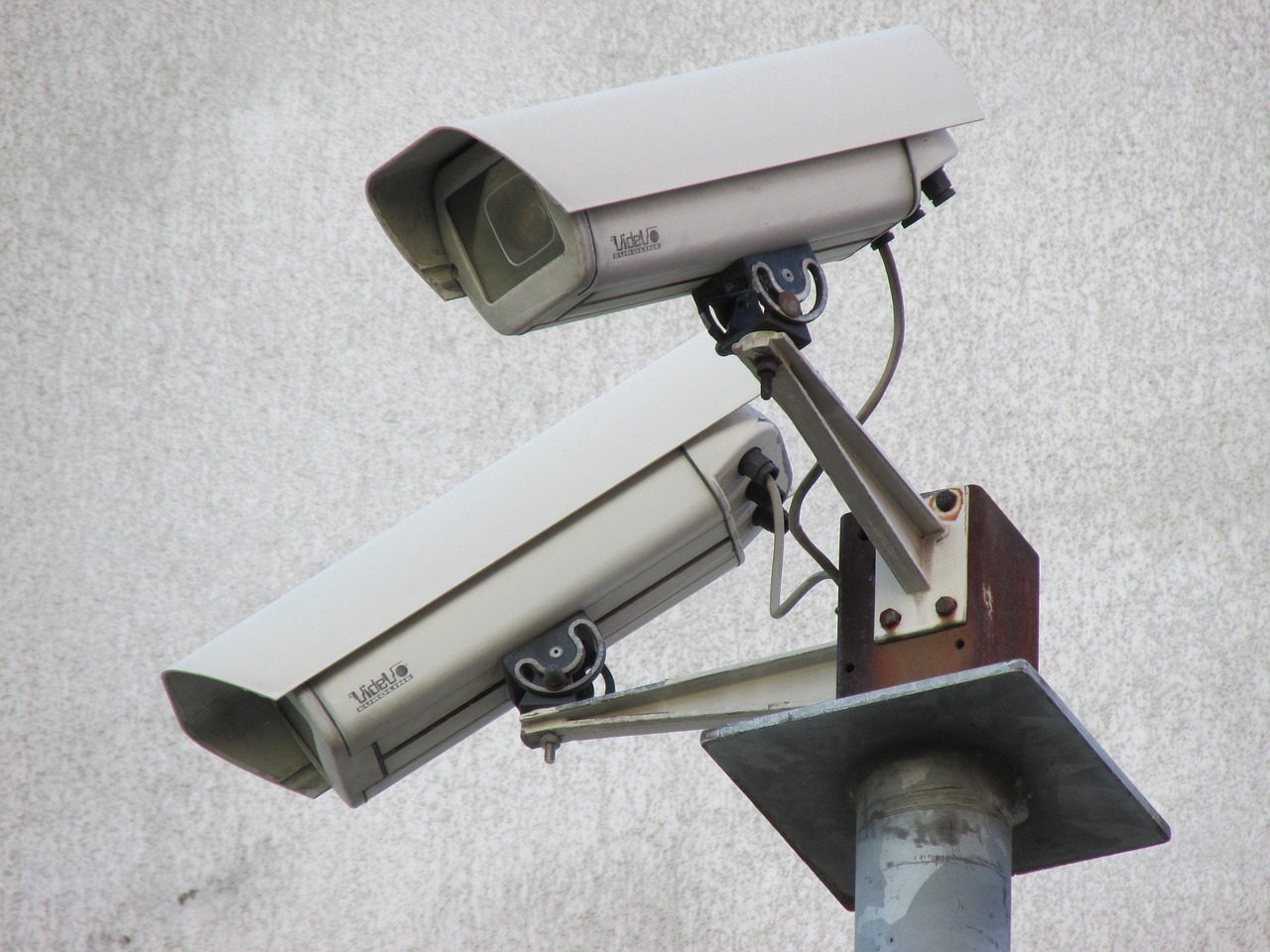
For five years, cameras have been springing up at all intersections and that was before the adoption of a set of police laws that should regulate the use of public video surveillance for the needs of police work. writes RSE.
Several proposals for that law have been unsuccessfully passed by the public in recent years. The previous proposal for a set of police laws was withdrawn at the end of December 2022 "at the proposal of Prime Minister Ana Brnabić in agreement with the Minister of the Interior Bratislav Gašić and after discussions with relevant organizations."
RFE's research exposes the mechanism of procurement of public video surveillance systems in more than 40 cities and municipalities across Serbia, the way in which money from local budgets is spent, but also how, under the radar of the public, squares and streets were flooded with Chinese-made "smart" cameras.
Expensive equipment is bought, but it is not possible to find out in exactly how many places and in what way it is currently being used.
For years, there has been a public discussion about the "Secure Society" project, for which the Ministry of Internal Affairs of Serbia and the Huawei company signed a Memorandum of Understanding back in 2014, and the continuation of which was the project to install 1.000 cameras on the streets of Belgrade.
As the RSE research showed, while the eyes of the public were focused on Belgrade, cities and towns throughout Serbia were covered by cameras. About 27 million euros were invested from the budget of local self-governments for the purchase of these goods. On the squares and streets of more than 40 municipalities, there are video surveillance systems that, as a rule, were purchased from a Belgrade company through the public procurement process. Machine Security.
According to the Law on the Availability of Information, RSE journalists collected detailed documentation on the procurements that were carried out in 10 of these 42 cities and municipalities. The sample for the research was the analysis of tender documents in which it was clearly stated that cities and municipalities buy equipment that has the ability to recognize faces.
RSE journalists collected detailed information on procurement for Prokuplje, Subotica, Vršac, Zrenjanin and Valjevo, which acquired video surveillance equipment. The same was done in municipalities with just over ten thousand inhabitants, such as Osečina, Mionica and Ljubovija in central and western Serbia, Ruma and Bečej, in the west and in central Vojvodina.
As it turned out, in all these cases, the documentation is the same, and the result: cameras and platforms where video materials are stored and analyzed were purchased. The manufacturer of the equipment in all these cases is a Chinese company Dahua.
It is known that all the recorded data is poured into local police stations, but there are no details in the documentation about how the materials are further used.
Personal data protection expert Nevena Ružić, who has been analyzing the use of video surveillance in the office of the Commissioner for Information Access and Personal Data Protection for years, says that in Serbia, which looked after "big brother, little sisters" happened.
Practically while everyone was watching what arrangements the state was making with the Chinese company Huawei, Chinese Dahua cameras were placed on the streets.
You can read the full text of RSE HERE.
MN/FoNet/RSE
Read daily news, analysis, commentary and interviews at www.vreme.com