
Election 2026.
REC determined the final number of voters in the elections
The Republic Election Commission (REC) made a decision today on determining the final number of voters in Serbia
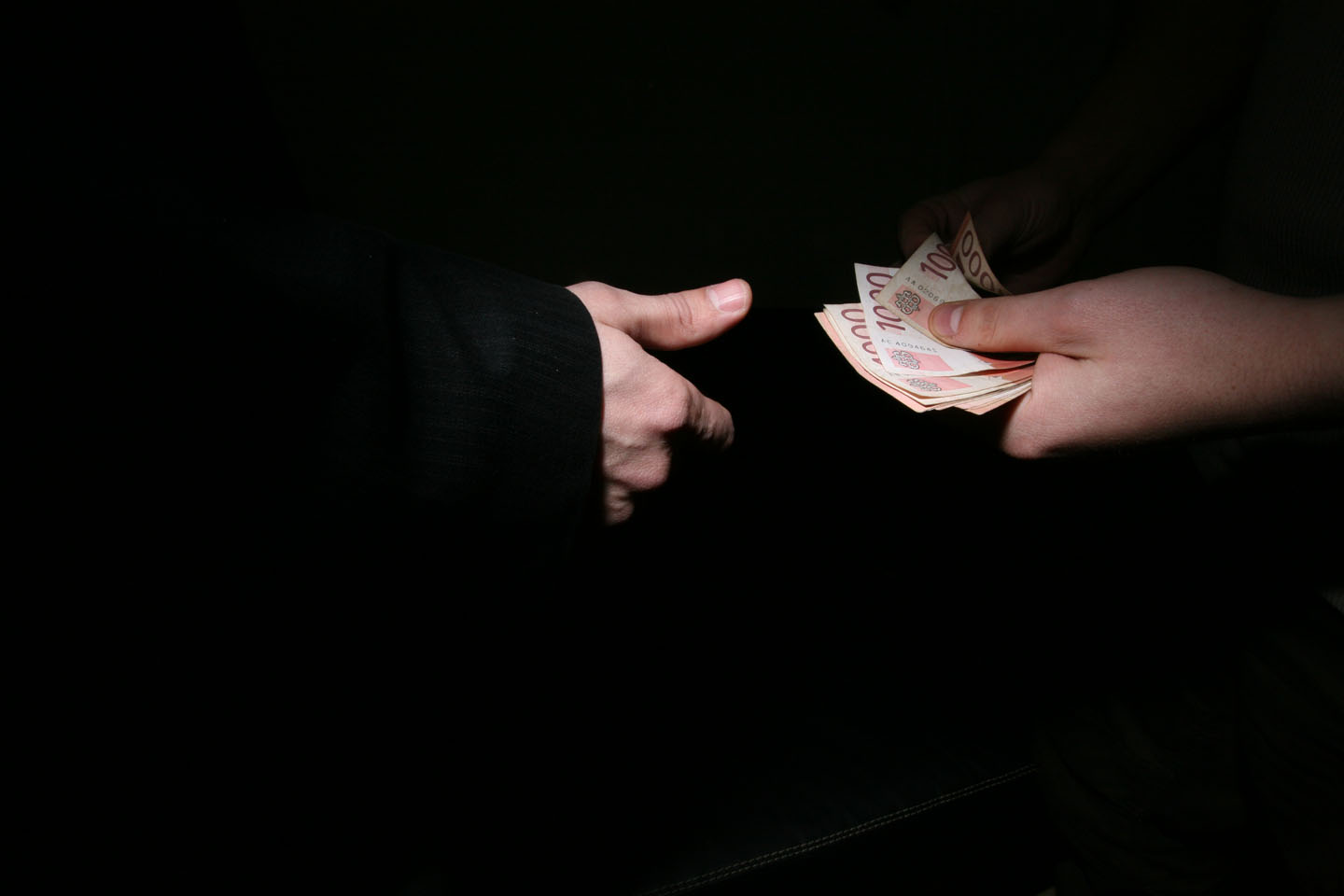 Photo: A. Andjić
According to the research on corruption in the public sector conducted by the Transparency Serbia organization, out of one hundred ideals, the corruption index in Serbia is 38, the same as last year.
Out of 180 countries and territories, Serbia is in 96th place, the organization Transparency of Serbia announced today, based on research on corruption in the public sector for the past year. Out of a hundred ideals, the corruption index in Serbia is 38.
This is the third year in a row that Serbia is in the bottom half of the table. Of the countries in the region, only Albania and Bosnia and Herzegovina are behind Serbia. Last year, Serbia was in 94th place, but with the same number of points - 38. Apart from us, Argentina, Brazil, Indonesia, Lesotho and Turkey have this number of points.
Serbia has five points less than the world average, 19 points below the European average, and 26 points behind the average of the part of Europe we want to become a part of.
In this year's report, the connection between human rights and democracy and corruption was particularly pointed out. "Corruption enables the violation of human rights, and in contrast, the provision of basic rights and freedoms leaves less room for corruption to flourish."
According to Transparency, Serbia's decline in corruption research is expected. The long-standing "absence of political will" to apply anti-corruption laws has been replaced this year by the existence of "political will" not to apply the laws - illegal management of the most valuable public companies, and above all EPS, and non-transparency about COVID procurement, are some of the latest example.
Transparency is highlighted by the public prosecutor's office, which does not provide clear answers to documented suspicions of corruption.
In March of last year, the Law on Determining the Origin of Assets began to be applied, which SNS assessed as the key in the fight against corruption because it will enable everyone without distinction to be subject to sanctions. So far, it has turned out that the passing of this Law was a show-off, and that its effects are minor.
Transparency Serbia is part of the anti-corruption organization Transparency International.
This survey "represents the opinion or impression of the corruption of government officials and public servants by those who do business with them or who advise business people, governments and international institutions."
The results of another survey, on the perception of citizens in the fight against corruption for 2021, which were published in December last year, showed the same situation. According to this national survey, which was part of the Project for Responsible Government of the USAID, and which is carried out by CESID, more than a third of citizens think that there has been an increase in corruption.
More than half of the citizens stated that reporting corrupt acts to the competent authorities would be futile and that nothing would change. At the same time, citizens have the highest expectations regarding the fight against corruption in the President and the Government.
S.Ć. /Transparency Serbia
Read daily news, analysis, commentary and interviews at www.vreme.com
The Republic Election Commission (REC) made a decision today on determining the final number of voters in Serbia

A citizen of Belgrade whose polling station in Banja Luka was changed in the voter list without his knowledge claims that the Ministry did not correct his data and that the deadlines have expired. The elections are on October 25 and he still doesn't know where he will vote.

The pardon procedure implies the appropriate role of the Minister of Justice, who should initiate the procedure or submit an opinion on the pardon, says prosecutor Radovan Lazić.
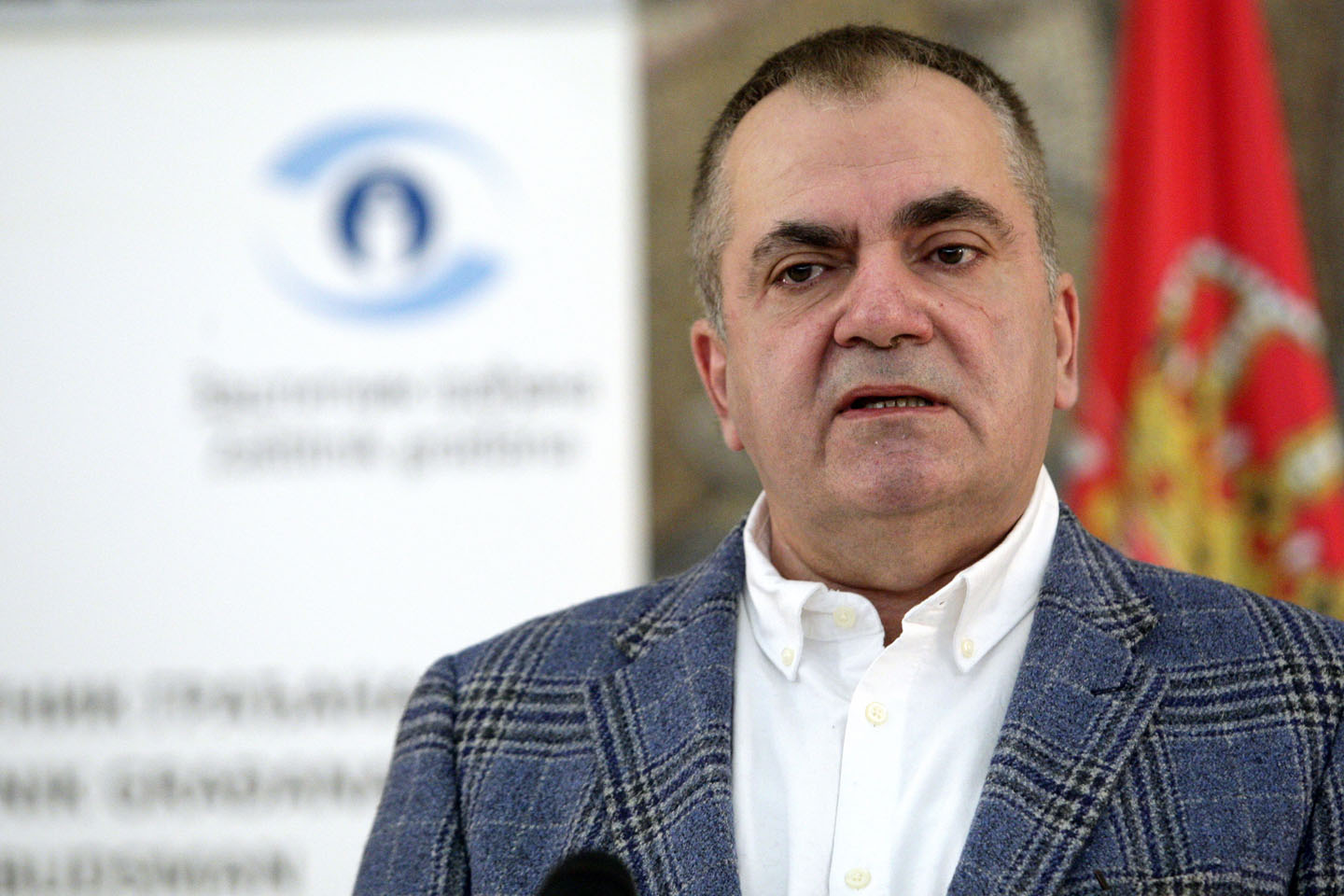
Phone numbers 064 876 85 05 and 011 2068 100 will be available 24/7 for reports and addresses to citizens, and the possibility of direct addresses at the premises of the Protector of Citizens is also provided.

NUNS demands an urgent investigation due to the threats sent to two Radar journalists who wrote about the Sky correspondence in which Aleksandar Vučić is mentioned. The association states that the threats also mention violence against children of journalists and warns of impunity

There is, literally, no difference between the one who claims it is day in the middle of the night, or the one who claims to be a giraffe, from the claims we read on billboards: that Vučić is working to unify Serbs and that Serbia is doing better and better day by day.

The pre-election arrests due to the alleged "overthrow of the state" testify to the regime's panic. The bad news for them is - they can't arrest the whole people who decided to defend themselves from progressive beatings and election theft

The ring that tightens around Ćaciland Student list is getting narrower. Because there are more and more spoiled people who see the false prophet for what he is: a street obscener who is fighting Serbia

The archive of the weekly Vreme includes all our digital editions, since the very beginning of our work. All issues can be downloaded in PDF format, by purchasing the digital edition, or you can read all available texts from the selected issue.
See all