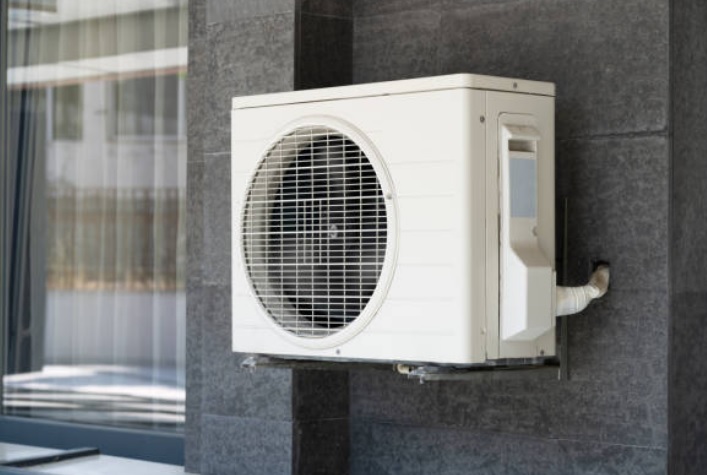
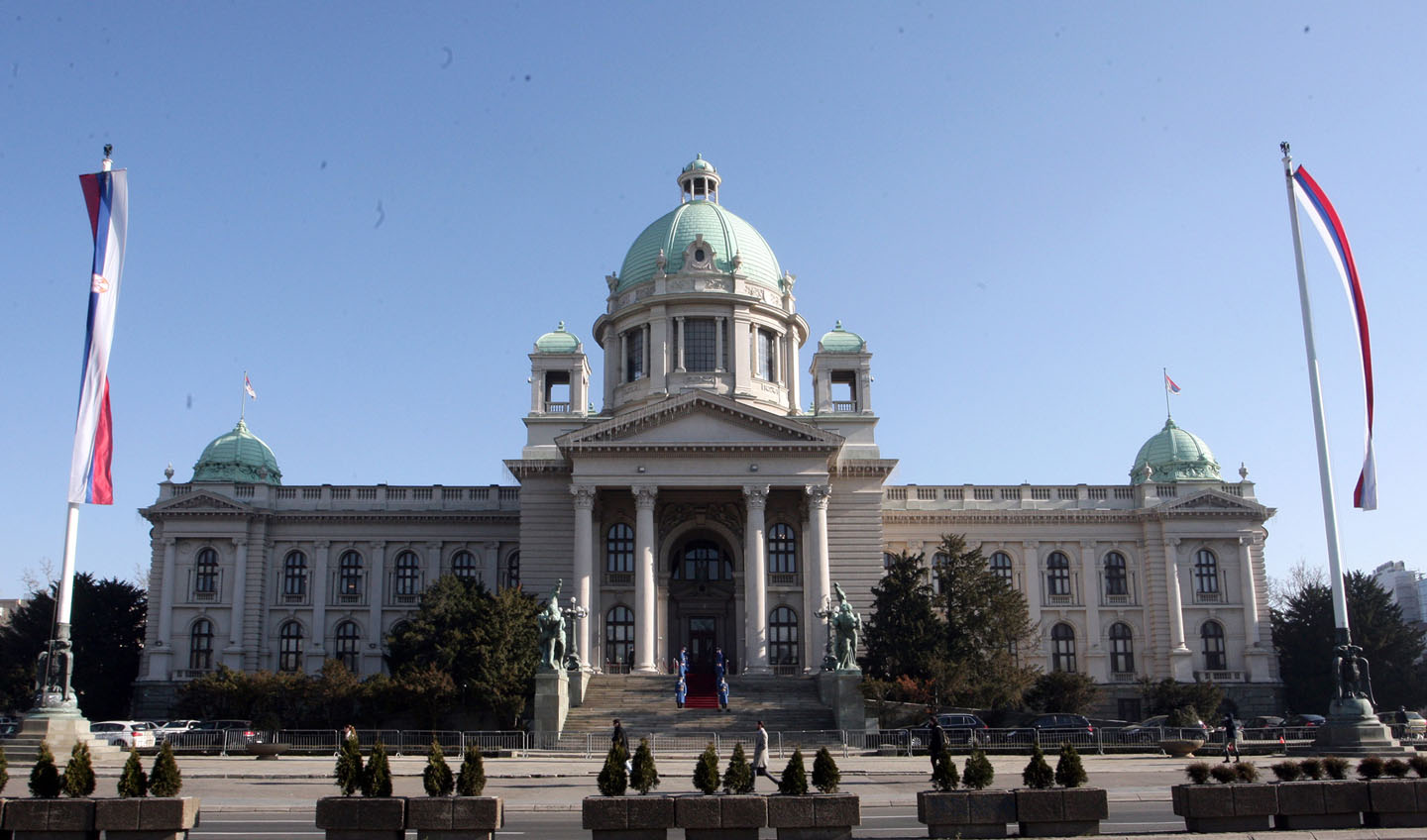
Owners of buildings of public purpose, as well as buildings that are not of public purpose, but are located within the boundaries of immovable property cultural assets, by law should external units climate removed from street facades by August 4, 2028.
"The deadline for the removal of external air conditioning units for heating or cooling from the street parts of the facades of all other buildings located outside the boundaries of immovable cultural property is August 4, 2033," said Assistant Minister of Construction, Transport and Infrastructure of Serbia Dušan Radonjić.
Fines up to 100.000 dinars
According to him, fines are prescribed for non-compliance with these decisions, which, if the owner of the building is a legal entity, are from 50.000 to 100.000 dinars for all three categories of buildings, and if the owner is a natural person, the fines are from 25.000 to 50.000 dinars.
"The law also provided that the supervision of the implementation of this regulation is the responsibility of the local self-government unit, that is, their bodies that take care of communal order, which is the communal militia, while for local self-government units that do not have a communal militia, that work will be done by the Republic Communal Inspection instead," said Radonjić.
He added that the Law on Planning and Construction foresees that the local self-government unit must pass a general act to regulate the method of removing external heating and cooling units, or else, if it does not pass it, it will be fined 50.000 dinars.
Radonjić emphasizes that the idea for passing this law related to climates arose from the fact that the Ministry of Construction, Transport and Infrastructure (MGSI) considered that air conditioners from all buildings should simply not drip on passers-by and not damage the facades, i.e. the built environment, but also because the buildings declared immovable cultural assets are actually material traces of the culture, i.e. the cultural heritage of this nation.
According to him, we only received them as a pledge to preserve them and we should pass them on to new generations, and this is one of the ways to preserve them and preserve their external appearance.
Information
When asked how citizens can find out which category their residential buildings belong to, the assistant minister of the MGSI sector for communal activities, housing and architectural policy, energy efficiency and construction products said that the Republic Institute for the Protection of Monuments has listed some 2.650 immovable cultural assets, so that everyone can see in that catalog whether their building is located there or not.
"Also, each city, i.e. the City Institute for the Protection of Monuments, has its own list of protected cultural assets on its territory, and in the case of Belgrade there are also interactive maps, a list of streets and the like. Of course, citizens can immediately recognize that if, say, they live in Knez Mihajlova or one of the side streets, they are within the boundaries of immovable cultural assets, unlike citizens who, say, live in Zvezdara or Mirijevo," specified Radonjić.
"First in your own backyard"
He also stated that MGSI still does not have information on whether the removal of air conditioners from the buildings has started, stressing that it is planned to start the inspection in the coming period, "first in its own yard".
"In the coming period, we plan to start the control of public buildings within the boundaries of immovable cultural assets, i.e. in the protected environment of cultural assets and to simply see whether the local self-government units acted according to the law or not," said Radonjić.
He also pointed out that the latest amendments to the Law on Planning and Construction, which entered into force on August 4, 2023, provide that all newly constructed buildings from the moment of entry into force of the amendments to the law must be designed, built and maintained in such a way that the external heating and cooling units are not visible, that is, they do not have a direct impact on their environment.
"If we walk around the city, we can see the application of that regulation on new buildings where these units are installed on the roofs of buildings or on the terraces of apartments, and if they are installed on the facade itself, they are usually visually hidden by different panels that are an integral part of the facade or are in different boxes, cages and the like," concluded Radonjić.