BIRN, in cooperation with the SHARE Foundation, discovered that BIA during the arrest of the four farmers and environmental activists inserted NoviSpy spyware into their phones.
For BIRN, they spoke for the first time about arrests, threats and what life is like when you know someone is constantly watching you.
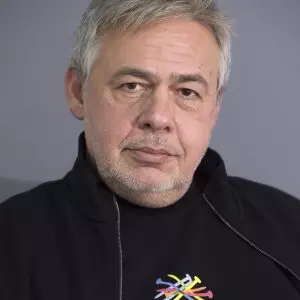
When three unknown people put him in a black van on the morning of October 1, 2024, Slobodan Vidojević, a farmer from Bresnica and president of the Association of Milk Producers of Šumadija and Pomoravlje, first thought of his daughter. "People, my child is left at school, someone has to come pick him up, inform the family, if something goes wrong with the child, you will be responsible for it." They did not introduce themselves. They pushed him, hit him on the head and shouted for him to be quiet. They took his phone as soon as he got into the vehicle. A few hours later, Vidojević will leave the police building in Čačak as a free man. But his phone will no longer be just his, writes BIRN.
For months after that arrest, something was wrong. His battery was draining inexplicably fast. The signal often dropped out. He heard a strange noise in the receiver while talking to the family. It will turn out that his phone has been sending data directly to the BIA Security Intelligence Agency server for over a year.
Slobodan Vidojević is not the only one.
A new investigation by BIRN shows that the phones of four farmers and environmental activists from different parts of Serbia were infected with the NoviSpy spyware during their stay in the premises of the BIA and the police.
These cases were documented using digital forensics and the Mobile Verification Toolkit (MVT), developed by Amnesty International. The tool was used by the SHARE Foundation, together with BIRN journalists, to check the phones of farmers and activists. The analysis showed a number of indicators characteristic of NoviSpy, including access to the microphone, camera, messages, location and intensive data traffic to the BIA server.
The experiences of Slobodan Vidojević, Zlatko Kokanović, Vladimir Višić and Jovan Topalović once again illuminate the broader pattern of digital surveillance and pressures in Serbia.
All of them, due to their activism in agriculture or environmental movements, were invited to interviews or brought to the premises of the BIA and the police in the period between July and October of last year, when there were mass protests in Serbia against Rio Tinto and for the fulfillment of farmers' demands. On that occasion, their phones were temporarily confiscated, and the Android spyware NoviSpy produced by the BIA was installed without their knowledge.
Legal experts explained to BIRN that the use of spyware is not legally regulated, and that its use is difficult to justify due to the high degree of intrusion into personal data.
"This has a negative impact on privacy, freedom of expression, freedom of association, and not only targeted persons, but also a wider activist group of individuals and organizations. The consequences for democracy and democratic processes in the country are disastrous because it gives the impression that there is no control over the work of the BIA," Ana Toskić Cvetinović from the non-governmental organization Partners Serbia told BIRN.
Read more about this topic. on the BIRN portal