"It is a non-existent process for us, it is a farce, a political process, orchestrated 27 years later." For us, that process does not exist," said Croatian Prime Minister Andrej Plenković on the occasion of the preliminary hearing before the Special Court in Belgrade, which has already been postponed to November 16 due to formal procedural reasons.
According to the Hina agency, Plenković said that Serbia itself passed a law to expand its jurisdiction, to initiate a process for alleged crimes committed outside the territory of Serbia against people who are not Serbian citizens. "Already the very first statements about that process and its postponement point to a 'farce' in which neither the Croatian pilots nor the Croatian state will be some kind of extra, let alone an actor," said the Croatian Prime Minister.
When asked what will happen if the pilots are convicted, Plenković answered briefly: "For them, that judgment does not exist."
The War Crimes Prosecution in Belgrade accused members of the Croatian Air Force (HRZ) Vladimir Mikac (67) from Ptuj, Zdenko Radulj (69) from Osijek, Željko Jelenić (69) from Pula and Danijel Borović (64) from Varaždin that on 7 and on August 8, 1995, in the chain of command, they ordered the rocketing of a column of refugees on the Petrovac road near Bosanski Petrovac and in Svodna near Novi Grad (formerly Bosanski Novi) during which several civilians of Serbian nationality were killed and wounded, among them four children.
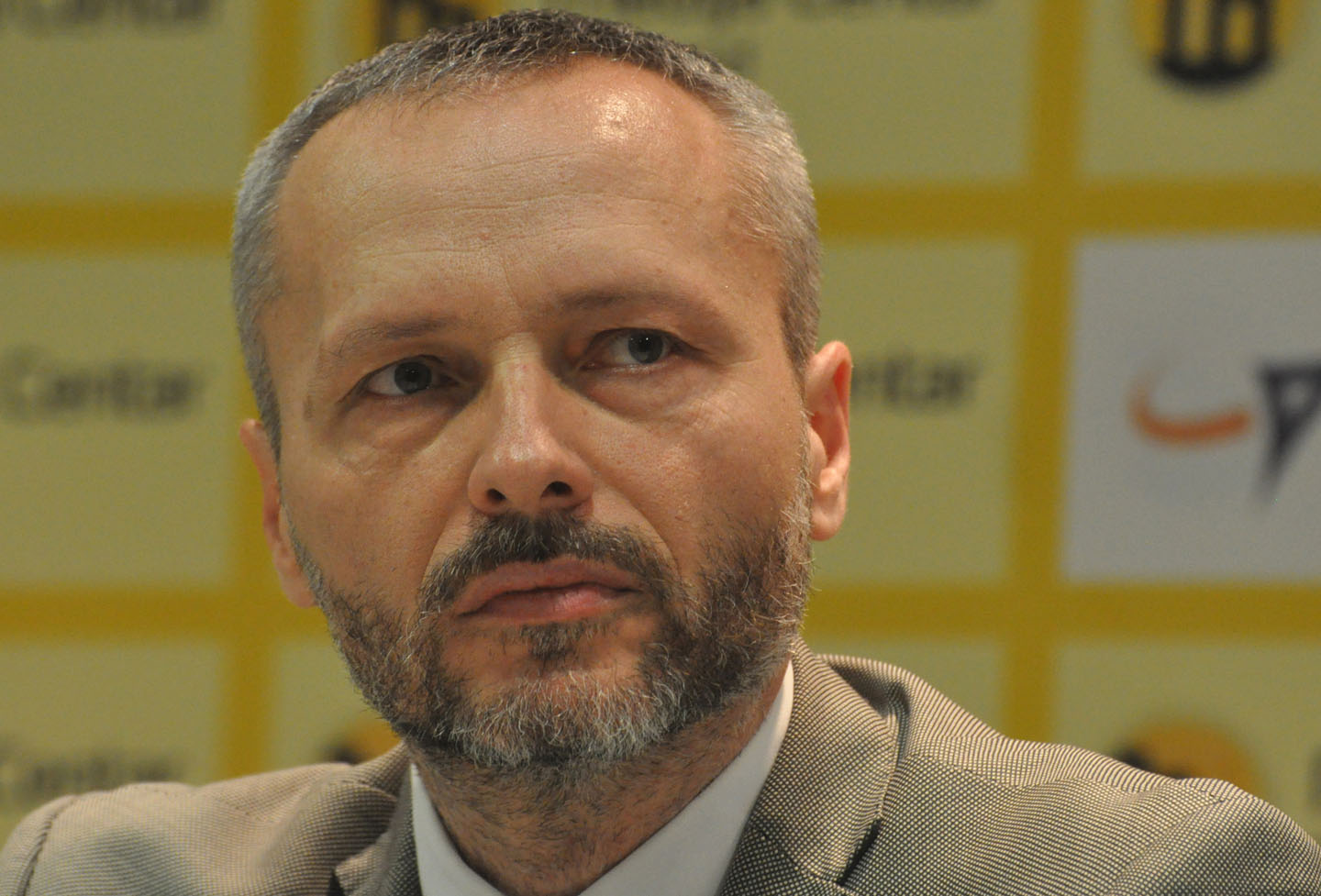
"The Petrovac road is an indisputable war crime against the civilian population." What is disputed is that there is not a single piece of evidence that shows that Vladimir Mikec ordered anything, let alone an action against civilians, there is not even any evidence that he was someone who could issue such an order." Aleksandar Olenik told the "Vremena" portal, ex-officio defense attorney of the first defendant, Vladimir Mikc.
He explains that the cooperation between the two judiciaries previously took place according to the International Agreement between the Croatian and Serbian prosecutor's offices on cooperation, according to which, if, as now, the accused are on the territory of Croatia, the Serbian prosecutor's office transfers evidence to the Croatian court conducting the proceedings, and vice versa.
"However", says Olenik, "when the indictment against Vladimir Šeks and the then head of the HDZ came in 2011, Croatia acted quite disproportionately: it passed a special law on the nullity of all legal acts of Serbia related to war crimes - we do not recognize anything , we don't cooperate, we stop all cooperation because of one indictment. To me, it seems like a political and not a legal decision."
MN/FoNet
Read daily news, analysis, commentary and interviews at www.vreme.com