The report on cybercrime in Germany for the year 2025 shows alarming data. The damage exceeds 200 billion euros, and on average more than 900 attacks have occurred per day
"Level" cyber threats remains consistently high," says Interior Minister Alexander Dobrint (CSU), a politician in charge of security in Germany. The reason for his warning is the Cybercrime Report for the year 2025, which was published on Tuesday (May 12) in Berlin by the Federal Criminal Police (BKA), writes DW.
More than 900 cyber-attacks per day
BKA Vice President Martina Link also considers the report's findings to be alarming. It estimates the financial damage at approximately 202 billion euros. This corresponds to approximately 4,5 percent of gross domestic product (GDP). The primary targets of these attacks are businesses, government agencies and critical infrastructure such as power plants or hospitals.
The total number of attacks officially registered by the police - from malicious software secretly implanted on computers, to data theft and emptying of bank accounts - was 334.000. That's an average of more than 900 attacks per day. Germany is a particularly lucrative target for cybercriminals because, despite the crisis, it is still the third largest national economy in the world.
Attacks are almost always from abroad
Two-thirds of these crimes were committed from abroad or from locations that could not be definitively identified. "These attacks are always cross-border, they are almost always international," emphasized BKA vice-president Link. Like the Minister of the Interior, she also believes that progress is rapid artificial intelligence (VI) the biggest challenge.
Even non-expert individuals can quickly acquire specific abilities using AI, Dobrint says. "The language capabilities of artificial intelligence allow it to operate simultaneously in very different regions of the world, because it can generate flawless text in different languages." The result is authentic-looking web pages or emails that cybercriminals use to lure their victims onto a false trail.
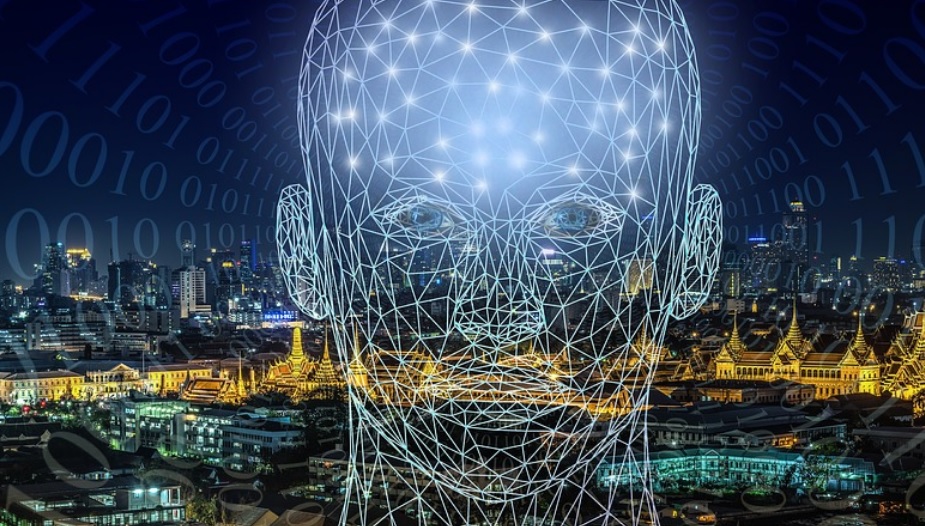
Photo: PixabayWhat is the role of AI in cyber attacks?
Minister Dobrint: "We are not helpless"
Despite the growing dangers, Minister Aleksander Dobrint remains confident in the fight against cybercrime: "We are not helpless," he says, and at the same time points to successful cooperation with other countries as evidence. His main evidence is a major strike against internationally networked cybercriminals - called "Operation Endgame 2.0".
In that action, authorities from seven countries successfully joined forces to neutralize one of the most dangerous malicious programs in existence.
In that operation, Germany cooperated with Denmark, France, Great Britain, Canada, the Netherlands and the USA. In addition, the police and judicial authorities of the European Union were also involved. International warrants have been issued for about 20 suspects, most of whom are from Russia.
More powers for the BKA?
"Our successful measures against cybercrime show that police action is effective - however, they must not create a false sense of security in relation to the highly dynamic threat landscape in cyberspace," warns BKA Vice President Link. Her agency is currently authorized only to investigate crimes, but lacks the authority to take preventive measures against immediate threats. "To put it somewhat cynically: we have to wait until the damage is done - until the 'kid falls into the well' - before we can really take action."
Minister of the Interior Dobrint intends to change that as soon as possible. To this end, the federal government will soon submit a legislative proposal to the Bundestag to establish the necessary legal framework for active cyber defense. "Our goal is to disrupt and destroy an attacker's infrastructure. That means: gaining access to their digital systems."
Photo: Pixabay/geraltDamage from cyber attacks is over 200 billion euros in Germany
Equal to the perpetrators?
Furthermore, Dobrint is committed to the comprehensive retention of computer IP addresses and to the implementation of automated data analysis capabilities. The state must not remain just an observer in the digital world, the Minister of the Interior claims, thus justifying his far-reaching demands. The goal, he emphasizes, is to ensure that the authorities are technically and legally equipped to act on an equal footing with the perpetrators - and to strike back.
But Dobrint's plans have long been controversial. "The federal government is introducing mass surveillance through the back door," Left MP Clara Binger criticized a draft proposal on IP retention that came to light in April. Binger, who is among the members of the opposition party in the Bundestag in charge of domestic policy, described it as "a frontal attack on the basic digital rights of over 80 million people."
What is happening in the country and the world, what is in the newspapers and how to pass the time?
Every Wednesday at noon In between arrives by email. It's a pretty solid newsletter, so sign up!
The richest man in the world responded with a threat to the news that Democrats are preparing investigations against him if they win the congressional elections. Musk said that whoever initiates a conflict with him should know that "they will find out who is actually pulling the strings."
A New Mexico court ordered Meta to pay $25 billion for misleading Facebook users about their privacy. State Prosecutor Raul Torres said that the verdict is a signal to the entire Silicon Valley.
Yesterday (October 21) in Tirana was relatively calm, but the reason is the rain. On Tuesday, protesters threw Molotov cocktails at Prime Minister Eddie Rama's office. He continues to call for dialogue, while student protests shake the country
For life under lenses and microphones, the citizens of Serbia can thank the equipment from the country that has 700 million cameras and whose measures of totalitarian surveillance fascinate the Great Leader even more than the Chinese robots playing "Moravac".
There is, literally, no difference between the one who claims it is day in the middle of the night, or the one who claims to be a giraffe, from the claims we read on billboards: that Vučić is working to unify Serbs and that Serbia is doing better and better day by day.
The pre-election arrests due to the alleged "overthrow of the state" testify to the regime's panic. The bad news for them is - they can't arrest the whole people who decided to defend themselves from progressive beatings and election theft
The ring that tightens around Ćaciland Student list is getting narrower. Because there are more and more spoiled people who see the false prophet for what he is: a street obscener who is fighting Serbia
The archive of the weekly Vreme includes all our digital editions, since the very beginning of our work. All issues can be downloaded in PDF format, by purchasing the digital edition, or you can read all available texts from the selected issue.