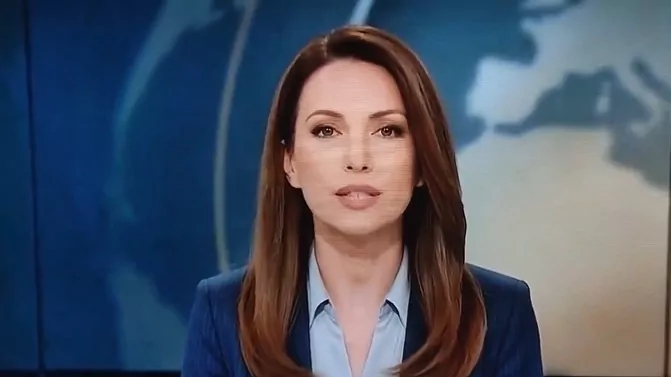
There is nothing dramatic about being one television (Happy) replaced live presenters with models artificial intelligence. It would have been decent if they had announced and publicized the change, it would probably have brought them additional viewership, at least for the first three days, which it usually takes. This second plan, to "shut up" and let that change go, is not without marketing logic social networks to make an even bigger advertisement. Probably now more people are waiting for the news to go there so they can check for themselves - can they really recognize that these are not living people.
If it's not a problem for us that artificial intelligence tools have replaced translators and proofreaders, that they code en masse and leave IT people out of work, that they find us cheaper airline tickets and arrangements by reducing agency commissions and salaries of tourism workers and many more such examples, why is the public, or at least a part of it, so excited about TV personalities?
There are many answers, but they are more in the realm of our unaccustomedness to change than there are realistic reasons to fear.
Let's start first with the positive changes that VI presenters bring. First, they do not make mistakes or slips. Their accent is quite good, although occasionally some other region breaks through, which is a consequence of speaking in a "small" language because related languages from the surrounding area are also used for training. It will be perfected quickly. Furthermore, they don't have to worry about night shifts, they can work in multiple languages, they don't need annual vacations or days off, they don't spend on wardrobe and make-up, they are ready the moment the editor enters their text into the system.
This means that they are ideal for emergency situations, when you need to "get into the studio" quickly, and they adjust their emotions to the event they are reading the news about.
On the other hand, the biggest disadvantage of such a presenter is that he is not alive. The audience gets attached to a person, falls in love with him in one way or another, sometimes a spontaneous human reaction is more necessary than a perfect digital one. Although editors and journalists are crucial for television news, it is considered that the man-presenter also bears some responsibility. That is to say that it also contributes to (dis)trust in a certain media.
A much bigger problem is that we accept a synthetic image. If an avatar reads us the news, then the videos we watch don't have to be authentic, but drawn. And that already calls into question the very essence of the news, its documentary quality. Of course, we are always talking about a presenter who only reads and does not ask questions to a potential guest in the studio. At best, he can talk to a remote interlocutor, preferably a journalist on the ground. Provided that they didn't draft him either. But, let's wait a few years, progress in that direction is certain.
The main dilemma is whether the medium must clearly indicate that it is YOU and not a live presenter? The law, for now, has not provided for that. But why would the cart break down on the unfortunate reader of the news, and not on the process of their creation, starting with the translation from other languages, which was completely taken over by VI in the newsrooms, and then through the writing of the news. Let's not talk about the radio, where the difference, whether a person reads or a machine, is literally not visible.
That's how we get to the bottom line, and that's two. The first is that it is much more important whether that artificial presenter reads quality news. And has the medium decided to invest in that segment, raising the quality, what it saves on the screen. If so, then the audience stands to gain. It is at a loss if they also have editors VI.
Second, no matter how much we regulate something with laws, natural law will apply - if a machine can do something better and cheaper than a human, the machine will do it. Artificial intelligence is here, even less invasive. She only does better than those who are below average. Which means that if YOU threaten to take over your job, then you're not doing your job well enough or efficiently enough. Above averages should not be afraid, by the nature of things, artificial intelligence cannot reach them.
Real journalism costs money, and we will not be bought by tycoons and corporations. Support us with a one-time or monthly donation. The time for it is now!