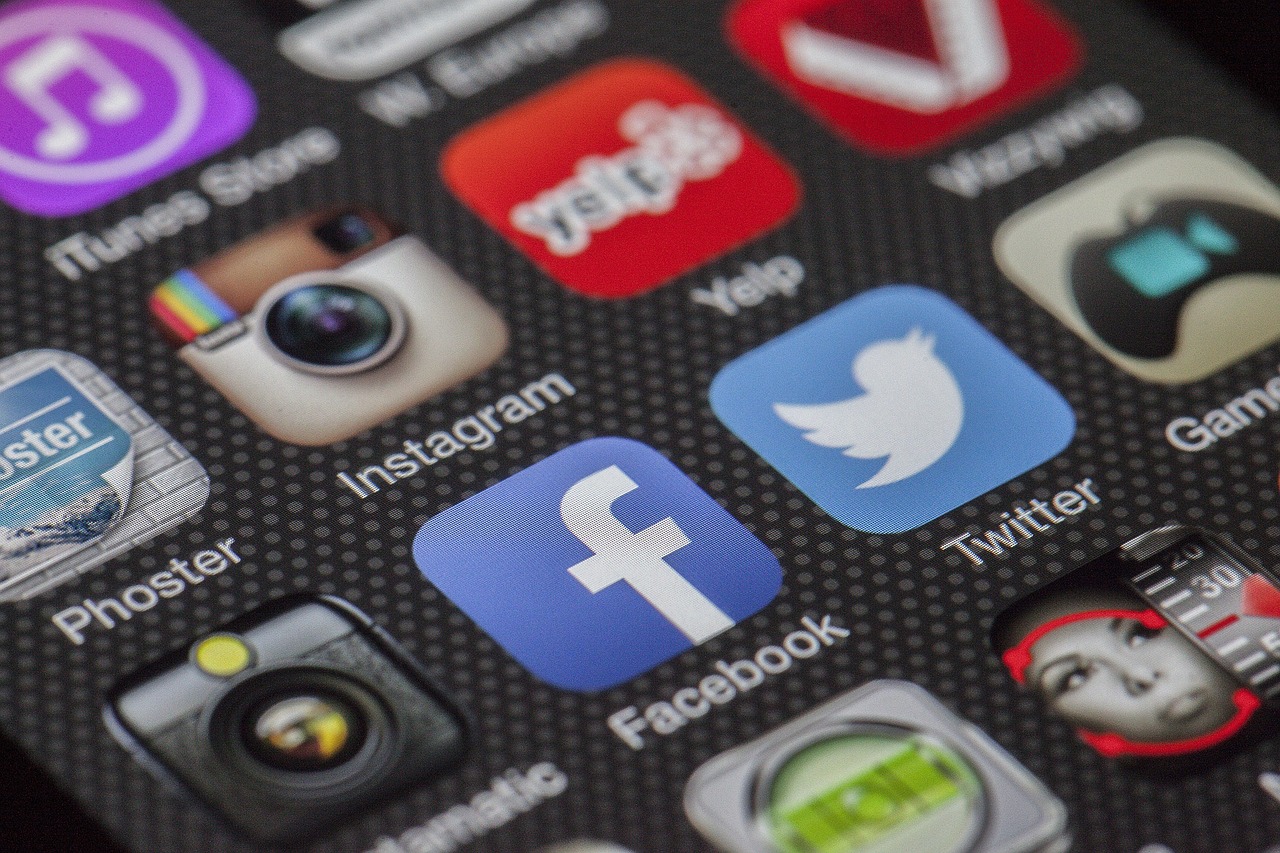
If you were worried about it at all, you can breathe a sigh of relief, if only temporarily. There will be no mandatory subscription to Facebook and Instagram, although the news of the week is that the company Meta is introducing such an option in the EU and the countries that share the economic space with it. Which means that it does not include the Western Balkans, so we are not "threatened". Although it is a perfectly good idea, that the use of social media is paid.
In fact, the Meta company found itself under serious attack by EU legislation because it not only collects the data of its users in Europe but also sends it to the USA for processing. There, Meta's valuable algorithms process them and tailor advertisements to each user. That's why you on your timeline, popular lines, you see different ads from your family and friends. Unlike, say, TV programs where everyone is served the same.
Adapting ads to the user is not in itself problematic, although according to EU regulations it is necessary for the user to agree with it. That's not a problem for the most part, users are happy to accept ads if it means they don't have to pay for the service and that's what Matt likes the most. And they don't hide that they like it, in their announcement regarding the introduction of subscriptions they clearly say that they think that advertisements are the best way to finance social media, namely targeted advertisements like this, which precisely target users.
The danger of transferring data across the Atlantic is that data on citizens of, say, France or Spain can also be collected by the US government because Meta has to obey the laws of the country in which it is registered. Edward Snowden, who has been living in Russia since 2013, was the first to inform us that this was really happening. EU countries do not like that America knows their citizens better and has the ability to directly influence public opinion.
Because of this, the EU has repeatedly punished Meta with draconian fines, the largest of which was 1,3 billion euros last year, with the obligation to stop the practice of collecting and sending data across the ocean by October this year, in order to bring the company's operations into line with the GDPR (General Data Protection Regulation or, roughly translated, the Data Protection Act).
Meta's answer could be considered inaji, but only at first glance. The company announced that users in the EU will be offered a monthly subscription in the amount of 9.99 euros, with that amount being increased by three euros if the subscription is paid through Apple or Android stores because their considerable margin must be covered. Therefore, those who would like to subscribe with a mobile phone will pay 13 instead of 10 euros per month. This addition can be avoided if you pay the subscription of ten euros directly on Facebook or Instagram and then your account is active on all devices, including mobile. The amount, it seems, is quite large for something that has been free until now, and one would say that the intention is to have as few subscribers as possible.
What is revolutionary in this news is that, actually, for the first time, we find out how much the service that Meta provides us costs, ten euros per user. On about three billion accounts, this would mean a net income of 30 billion euros per month, three times more than the marketing income, which amounted to slightly less than 120 billion dollars last year, that is, almost ten billion per month. These are not the only incomes, but they are by far the most important. Of course, if (theoretically) we switched to a subscription, the number of users would be decimated, so the whole business model would look different and much, much more modest.
Knowing how much a "free lunch" costs is very important, as is the fact that we were given the opportunity to decide for the first time whether to accept it or pay for it ourselves. Until now, this was not possible, that is, we paid with our data. The question remains, how can we be sure that our data is not being used despite paying for a subscription, how does Meta separate premium accounts from regular accounts? If they prove it convincingly, maybe the subscription will be received. Come on, ten euros won't work.