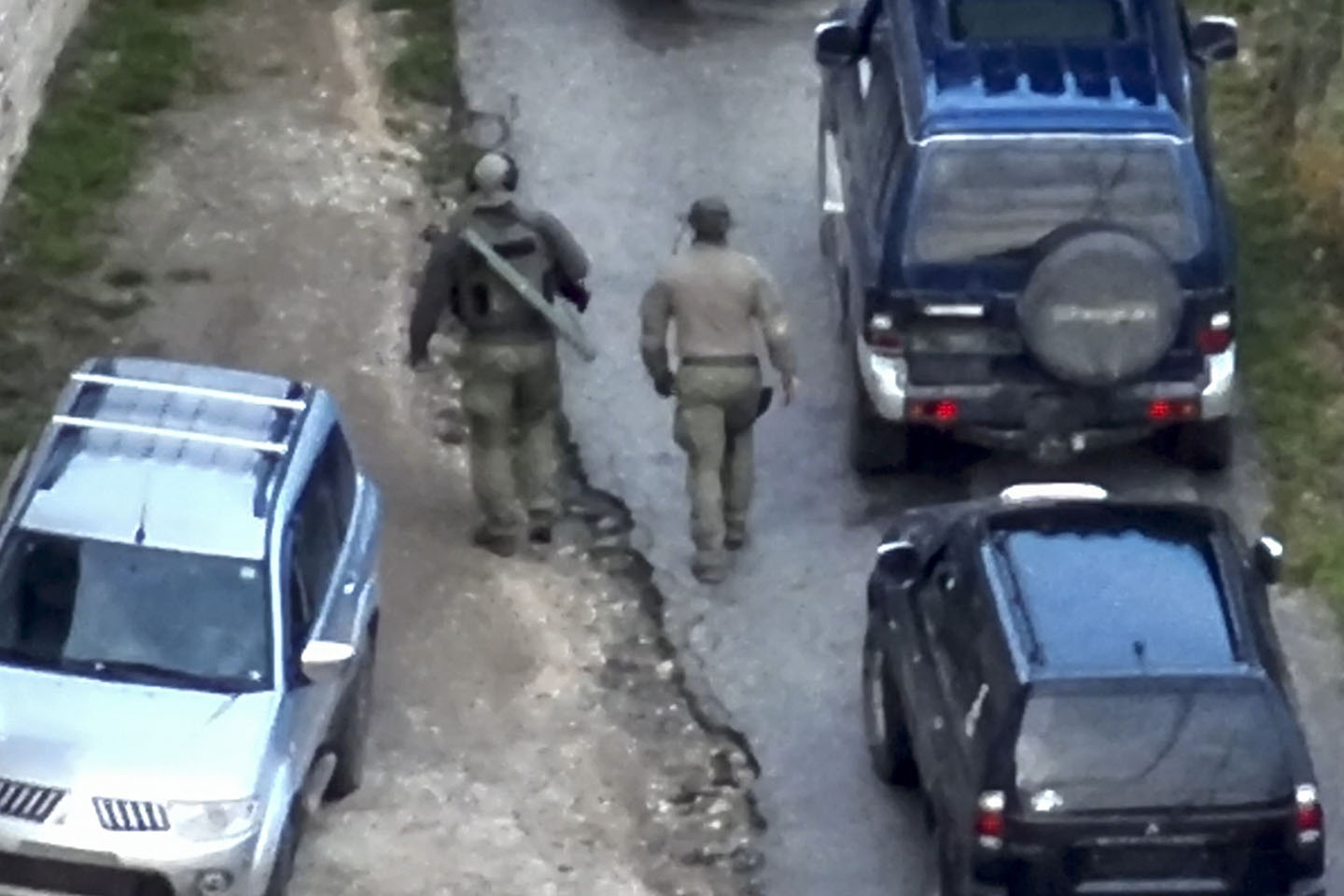
One part of Kosovo mourns the murdered Albanian policeman, the other, smaller, northern, "new Obilića" killed during an attack on the "so-called" Kosovo police. Albanians talk about "Serbian terrorists", Serbs about "Kuriti's policemen" who had nothing to ask for where they were attacked, so they got what they deserved.
The state of Serbia neutrally declared Wednesday, September 27, a Day of Mourning due to the "tragic events in Kosovo", but it is clear that no candles are lit and no church bells are rung for the murdered Albanian policeman.
In the fact that who mourns for whom after one and the same bloodshed, malignant, carefully nurtured divisions are recognized, and future clashes are foreshadowed. After the small battle in the village of Banjska, one cannot help but think of the beginnings of the "Liberator of the Kosovo Army", when some mostly young Albanians saw a way out of Serbian repression in the killing of Serbian policemen and were temporarily on the list of terrorist organizations in the USA.
If you add up the mourning from both sides and divide it by the number of inciting political messages, you get the result that actually all those who died in the skirmish in Banjska were victims. In every way, they really are - victims of the politics of confrontation, the one being conducted both in Pristina and Belgrade and the fruitless one in Brussels and Washington.
The message that has been reaching Serbs throughout the Serbian world through national frequency televisions and regime tabloids for years from the top of the progressive summits reads: Kosovo is Serbia, the southern Serbian province is temporarily occupied, the goal of the "terrorist scumbag" Aljbin Kurti is to get from Kosovo and Metohija, from their centuries-old hearths, expelled Serbian life, Serbia does not recognize the government of Kosovo, nor the Kosovo police, nor the Kosovo special units. The official and for internal use ubiquitous narrative in Serbia is that the seceded Kosovo and all Kosovo institutions subordinated to the "provisional authorities in Pristina" are called "so-called".
If for the President of the Republic and the Government of Serbia, the Kosovo police in the occupied territory is "so-called", then what is the person who kills the so-called policeman? A so-called killer? Or a hero?
A hero, because the one who resists the "Kurti police" that harasses and intimidates Serbs, builds police stations in areas with a majority Serbian population, which is preparing to cleanse Kosovo of ethnic Serbs, which the president of Serbia likes to repeat, for many Serbs cannot be nothing but a hero whose example is worth following.
It is still not known what the aim of the person who organized the attack on the Kosovo police as an amateur was, but it can be inferred that the Serbs who followed him were carried by patriotic feelings, by fiery messages from Belgrade, that they believed that the killing of the Kosovo policemen who wanting to expel their families from Kosovo is not a bad thing, but, on the contrary, self-defense, an act of self-sacrifice for the endangered Serbian people. They receive confirmation of this on the Day of Mourning in Serbia, confirmation that the sacrifice of some of them will not be forgotten.
Will this atmosphere inspire some more Serbs to take up guns? Will Kurti take advantage of the convenient situation to deploy his special forces in even greater numbers in areas with a majority Serbian population? Judging by the manner of mourning the dead on both sides, there is every chance that this is the beginning of a new kind of confrontation.
A big problem for Serbia and the Serbs living in Kosovo is that both the USA and the EU do not see the attack on the Kosovo policemen as any heroic feat, nor an act of self-defense, but only a terrorist act whose perpetrators and organizers should be punished, which they "don't understand" when someone says that Aljbin Kurti is at least complicit in this bloodshed because of the politics he is leading.
At the beginning of the wars in Yugoslavia, members of Slobodan Milošević's SPS said that those from the West did not understand anything, that "the truth is on the side of the Serbs" and that "justice will prevail". There are hardly any Serbs in Croatia, and in Kosovo the remaining Serbs live in a ghetto on the other side of the border called the "administrative line" with "so-called" Kosovo. It sounds better than what it represents in real life.
Read daily news, analysis, commentary and interviews at www.vreme.com