

Analyze
The fate of Idea Market: Restructuring, bankruptcy or sale?
Idea markets have been operating at a loss for years, and the arrest of the new owner, Davor Matsura, further shook the company. Her survival is uncertain
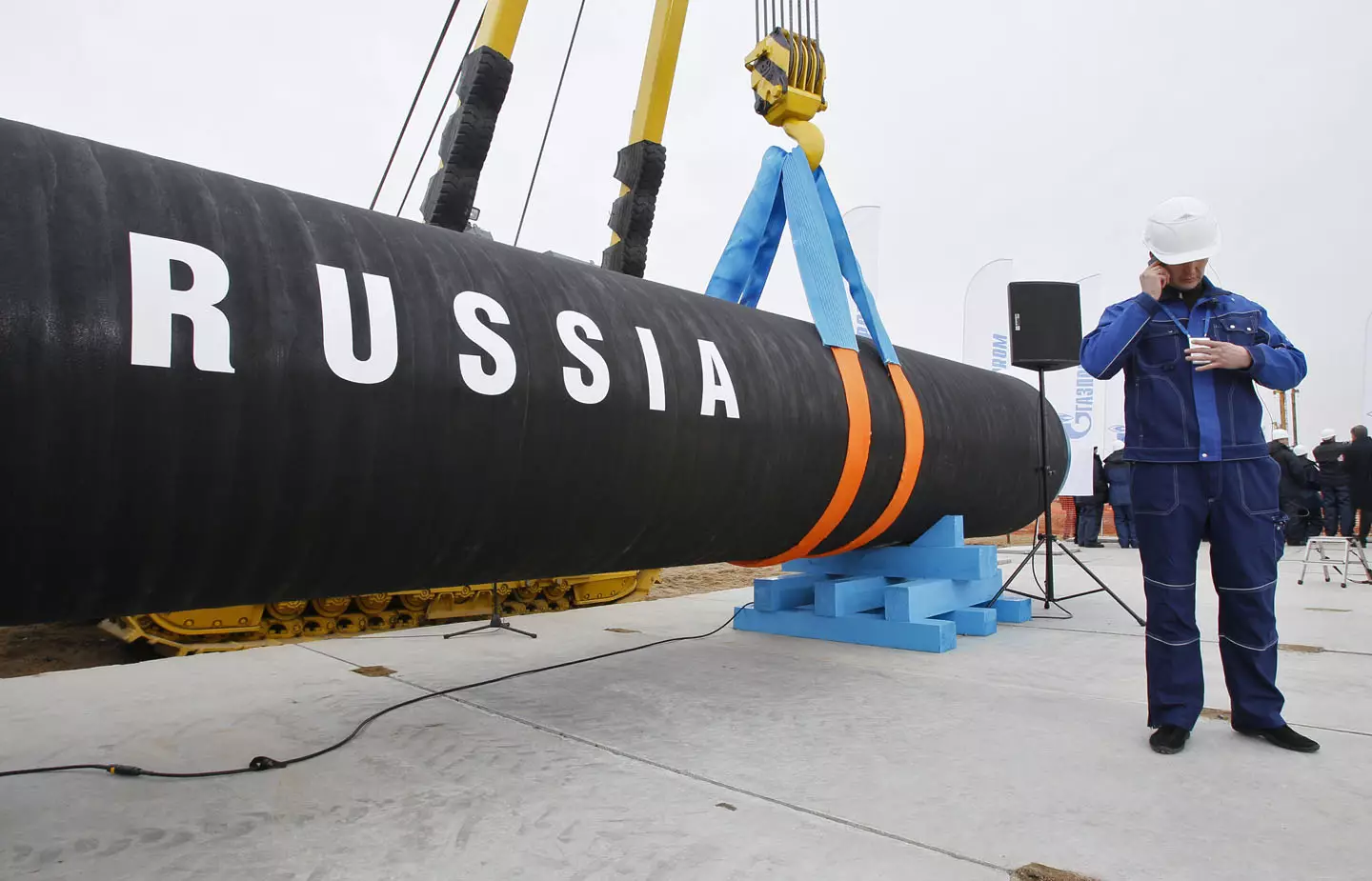 Photo: AP/Dmitry Lovetsky, File
Once again, Serbia has to wait until the last moment for an agreement on Russian gas. The short-term gas arrangement expires on March 31, and if there is an extension, it will again only be for six months
It took three years for Serbia to receive Russian gas under favorable conditions - at least that's what Aleksandar Vučić claimed in September 2025, during the grandiose military parades in Beijing. It is the same event during which those photos of him were recorded Vučić at the very end of the column of statesmen.
He showed that the Republic of Serbia is at the end of each column to his friends from Russia short-term gas agreement, which was achieved with a big delay and only until March 31, 2026. And we still don't officially know about the future, because nothing has been signed yet, and no one even mentions agreements that are measured in years.
General Manager of Srbijagas Dusan Bajatovic he stated that the contract for the purchase of Russian gas "will probably be extended for another six months" and stated that the price of gas for households will not be changed, as well as that Serbia has enough of this energy until the end of the heating season.
Bajatović admitted that the long-term gas supply contract that Serbia has with Russia is being annexed, but that there are many problems - from European sanctions to problems with payment transactions and similar things that, as he stated, are not so easy to solve.
"We will probably have an extension of the long-term contract for the next six months," Bajatović told RTS.
Vojislav Vuletić, from the Serbian "Gas Association", tells "Vreme" that "Bajatović should be trusted."
"Bajatović is pressing that directly with Gazprom, and all that is needed is a signature, which is a fairly simple task," says Vuletić, who heads the Association that has been supporting and fueling pro-Russian energy tactics for decades.
However, it is obvious that everything about gas changed in the agreement with the Russians, at the moment when the problem with the Oil Industry of Serbia broke out.
These two deals, the agreement regarding cheaper blue energy in exchange for everything that Serbia has done for Russia by selling NIS, have been going side by side for decades. Until now, Russia, with cheaper gas to Serbia, made the decision that its economic loss is less significant than the political one, but that may change.
The price at which we paid gas to the Russians until now was between 420 and 600 euros for 1.000 cubic meters.
The main question is how it will be next winter, although Bajatović claims that we have stock.
"What will happen now, our contract from March onwards due to large stocks, practically until the month of October, will be six million cubic meters per day, not ten because we cannot fill Banat Palace", said Bajatović.
However, what is kept in the Banat Palace is absolutely insufficient for Serbia to last, for example, a year. Because the current capacity of this underground storage is 450 million cubic meters of gas, and Serbia needs 3,2 billion cubic meters in one year.
As if to spite, neither Bajatović nor the Russians are too interested in expanding this capacity, even though it has been talked about for decades. If that were done, we could save more blue energy and be economically, but crucially politically, independent for longer.
Idea markets have been operating at a loss for years, and the arrest of the new owner, Davor Matsura, further shook the company. Her survival is uncertain

While government representatives talk about the possible exodus of foreign investors after political changes, companies explain to N1 why they are reducing production or closing certain plants. Among the reasons are the crisis of the European automobile industry and the drop in demand

Citizens will indirectly pay the price of the collapse of Alta banka, responsibility for failures in its control should be the subject of an investigation, said Dejan Šoškić. The former governor of the NBS also said that the exchange rate of the dinar will remain fixed, and that the nationalization of the NIS is not an option he supports.

How did "Dnevnik" from Novi Sad, which for years received millions from the budget, come to the brink of survival? The publisher of the newspaper is facing blocked accounts, delayed salaries and debts that are measured in hundreds of millions of dinars

The National Stadium in Surčin was supposed to be completed by the end of 2026, but the deadlines are moving, and the budget implementation shows serious deviations. Construction engineer Danijel Dašić tells Vreme that the project has been stalled for months and that all contracts will have to be reviewed.

At the moment when the institutions of the Republic are destroyed, when Vučić's octopus is still alive, when people are disgusted by the injustice and the stench left behind by the Essenes regime, we have, as Machiavelli said, only civic virtue as the fuel with which we can return to the beginning

The four independent members of REM are an example of perseverance and civic responsibility. Rodoljub Šabić even, upon leaving the premises of REM, after the sentencing of the Informer, experienced that the Essenes insulted him, hit him with their hands and feet. But that too will soon be over

Vučić pardoned the batterers and Dijana Hrkalović. The election winners should abolish the sultan's power that allows one man to run afoul of the entire judicial system

Time explores: The construction of the St. Sava Temple
Did the money paid by the Government to SPC end up in Moscow through Alta Bank? subscribeThe archive of the weekly Vreme includes all our digital editions, since the very beginning of our work. All issues can be downloaded in PDF format, by purchasing the digital edition, or you can read all available texts from the selected issue.
See all



