Serbia recorded a decline in June inflation which compared to the previous month increased by only 0,2 percent and thus at the end of the first half of the year amounted to 2,7 percent year-on-year, thanks above all to a surprisingly good agricultural season.
However, economists warn that this is only a brief respite, as price increases for certain goods and services were already seen in June and July, while additional ones are traditionally announced for the fall.
A good agricultural season and favorable weather conditions caused the prices of agricultural products, especially fruit, which produced well, to be significantly more favorable than last year, which influenced the relaxation of consumer price growth in June.
"Given that the fruit was too expensive last year because of were, now an exceptionally good harvest has led to an almost double-digit rate of decline in that price category, so that food also recorded an annual decline, which was a key factor for slowing down inflationary flows," economist Saša Đogović tells Biznis.rs.
Inflationary pressures from many sides
However, he points to several factors that will certainly have an inflationary effect in the coming period, some of which are external and geopolitical and we cannot influence them, while there will also be internal ones that are under the control of the state.
"The crisis in the Middle and Middle East has not been resolved and it is evident that it will not be resolved without a war, which will generate additional streams of food for the inflationary dragon. Also, in September of last year, we capped trade margins so that from September of this year, there will be a significantly lower base for comparison," Đogović believes.
According to the latest announcements, to this should be added increased inflationary flows that will be generated by the state, the so-called by helicopter throwing of money through the intensification of consumption and demand, because the inflow of ready money in circulation, which has no basis in the production base, will increase, so that inflationary flows will grow.
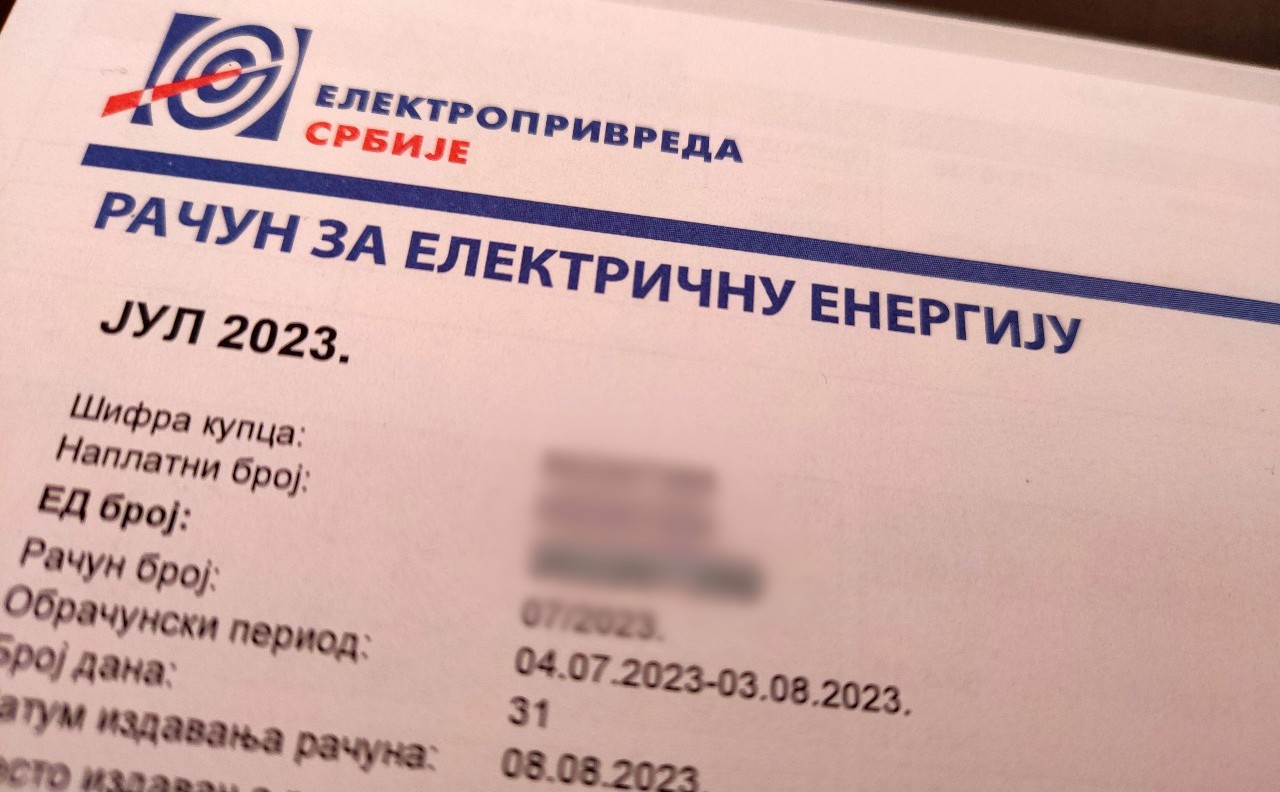
Đogović reminds that the announced increase should not be forgotten electricity prices.
In parallel with the drop in prices of seasonal agricultural products, price increases were recorded already at the end of June when, due to the regular adjustment of the specific excise duty provided for in the Excise Calendar, new retail cigarette prices came into effect, higher by 10 dinars per pack.
From July 15, the new, higher prices also apply to train tickets in internal railway traffic, which have risen in price by about ten percent on average.
By the same percentage of ten percent, municipal waste collection and transport services were increased for the citizens of Belgrade, which is why they have already received increased bills for Infostan.
That, however, will not be the end of the increase in bills, because Belgrade Power Stations announced that from June they will change the method of calculating the heat energy used for some users in the capital, which translates into higher bills.
New electricity price
An increase in the price of electricity was announced for the fall, although there remains a doubt as to whether it will be realized directly through an increase in the price of kilowatts or through the reorganization of the still reduced tariff limit, or perhaps combined. One thing is certain, whatever it is, it will affect the growth of inflation.
The data of the Republic Institute of Statistics for the first quarter of 2026 shows the impact of each change in tariffs on the growth of consumer prices, according to which the year-on-year growth rate of the price of electricity for households in that period was 9,6 percent, although there was no new linear increase in the price of electricity in this period.
This was due to the effects of the introduction of the new red zone during the winter months. The threshold for entering the most expensive tariff zone was lowered from 1.600 to 1.200 kilowatt-hours, due to which a larger number of households paid part of their consumption at higher prices.
An additional impact was the 9,6 percent increase in the price of electricity carried over from October 2025. Since the prices in the first quarter of 2026 are compared with the same period of the previous year, when the increase was not yet in effect, the final statistical effect on citizens' accounts showed an increase of almost ten percent.
Đogović believes that in the rest of the year, the international external factor related to energy, the high base due to the reduction of trade margins, the increase in the price of electricity and the announced benefits to citizens will push inflationary trends higher so that the growth of consumer prices will exceed the projected upper limit of the inflationary target of 4,5 percent and go up to five percent.
He says that such a development is expected despite the fact that we will have an additional positive impact on agriculture where a good harvest of both corn and sunflowers is expected.
Reduction of excise duties on petroleum products
Regarding the latest decision of the Government of Serbia to reduce excise duties on oil derivatives, Đogović estimates that this was done to avoid a sudden increase in fuel prices, which would have indirect effects on the increase in other aspects of economic life, which would then raise inflationary expectations.
"The reduction of excise taxes is a kind of buffer, but it cannot last long because the budget deficit is increasing. In order to prevent us from exceeding the limit of three percent of gross domestic product (GDP), some planned items of investment are eliminated, in order to stay within the bounds of the planned budget deficit," says the economist.
In the context of rising inflation in the second half of the year, Đogović estimated that a slight tightening of monetary policy and an increase in the reference interest rate of 0,25 basis points could be expected, but also pressure on the foreign exchange in conditions where we still do not have a solution to the situation surrounding the Oil Industry of Serbia (NBS).
In July, the NBS left the reference interest rate unchanged with projections that inflation could temporarily exceed the upper limit of the target of 4,5 percent at the end of this year or early next year due to the realized increase in the world price of oil and other primary products after the outbreak of conflicts in the Middle East, as well as higher import inflation.
Assuming that the recent energy shock was temporary and that the world oil price, which has fallen in the previous month, will remain around the current low level at the end of this year and during the next year, inflation should slow down and return relatively quickly to the target limits by mid-2027.
Source: Biznis.rs
Real journalism costs money, and we will not be bought by tycoons and corporations. Support us with a one-time or monthly donation. The time for it is now!