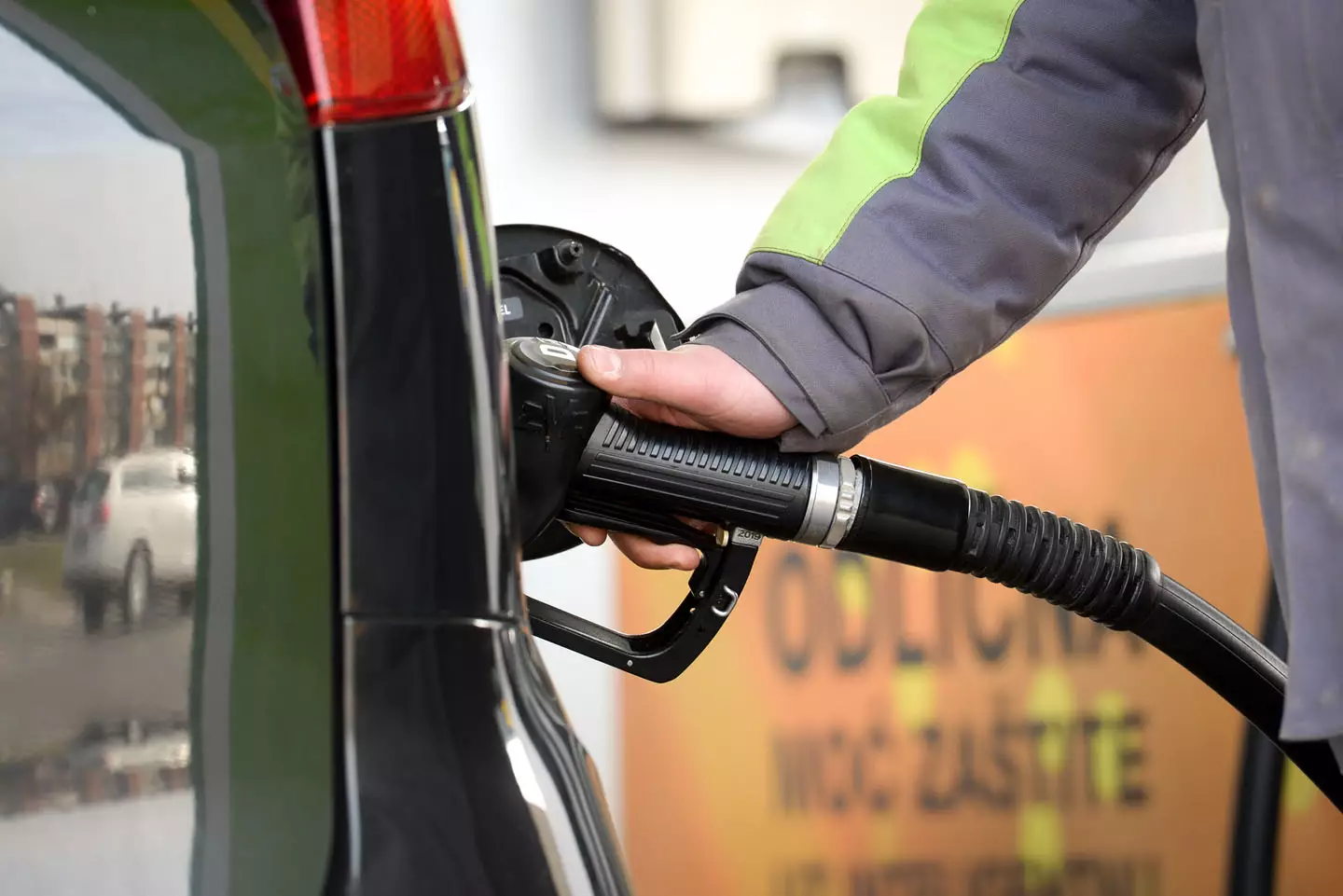
Citizens of Serbia should not fear shortages fuel, because the state has sufficient supplies and is ready to react if necessary, said the Minister of Mining and Energy in the technical mandate Dubravka Đedović Handanović.
After talking with the representatives of the Association of Oil Companies of Serbia (UNKS) and Oil Industries of Serbia (NIS) about the supply of the domestic market, said that consumption of around 200.000 tons of diesel is expected during September. According to her, the largest part of those needs will be covered from the production of NIS, while a smaller part will be provided by imports, writes Beta.
A bigger challenge is expected in October, when consumption could reach around 205.000 tons. Oil companies, however, have practically suspended imports due to very high procurement costs, so the state is considering placing a certain, minimal amount of Eurodiesel from state reserves on the market.
According to the minister, such an intervention could be necessary because, despite the record level of crude oil processing, NIS alone cannot provide the complete needs of the domestic market during October.
A special problem is the uncertainty regarding the sanctions against the NIS. The company's operating license expires on September 30, which is why, as stated by Đedović Handanović, it is important that state and operational fuel reserves remain at a high level.
The situation is further complicated by developments on the world market. The price of crude oil is still above $100 per barrel, while diesel prices have exceeded $1.500 per ton.
The import of oil derivatives into Serbia during September was further hampered by the low water level of the Danube, increased logistics costs and high prices of derivatives. Therefore, NIS increased crude oil imports and processing, as well as fuel wholesale, to meet domestic demand.
The refinery in Pancevo is currently working at high intensity, and almost 13.000 tons of crude oil are processed daily. The minister stated that such a level of production enables NIS to gradually restore fuel stocks that were used during the summer months through the system of operational reserves due to increased consumption.
Đedović Handanović, however, emphasized that the stocks are currently sufficient and that the state is monitoring the situation on the market, with the readiness to take additional measures if necessary.
Real journalism costs money, and we will not be bought by tycoons and corporations. Support us with a one-time or monthly donation. The time for it is now!