
Election 2026.
REC determined the final number of voters in the elections
The Republic Election Commission (REC) made a decision today on determining the final number of voters in Serbia
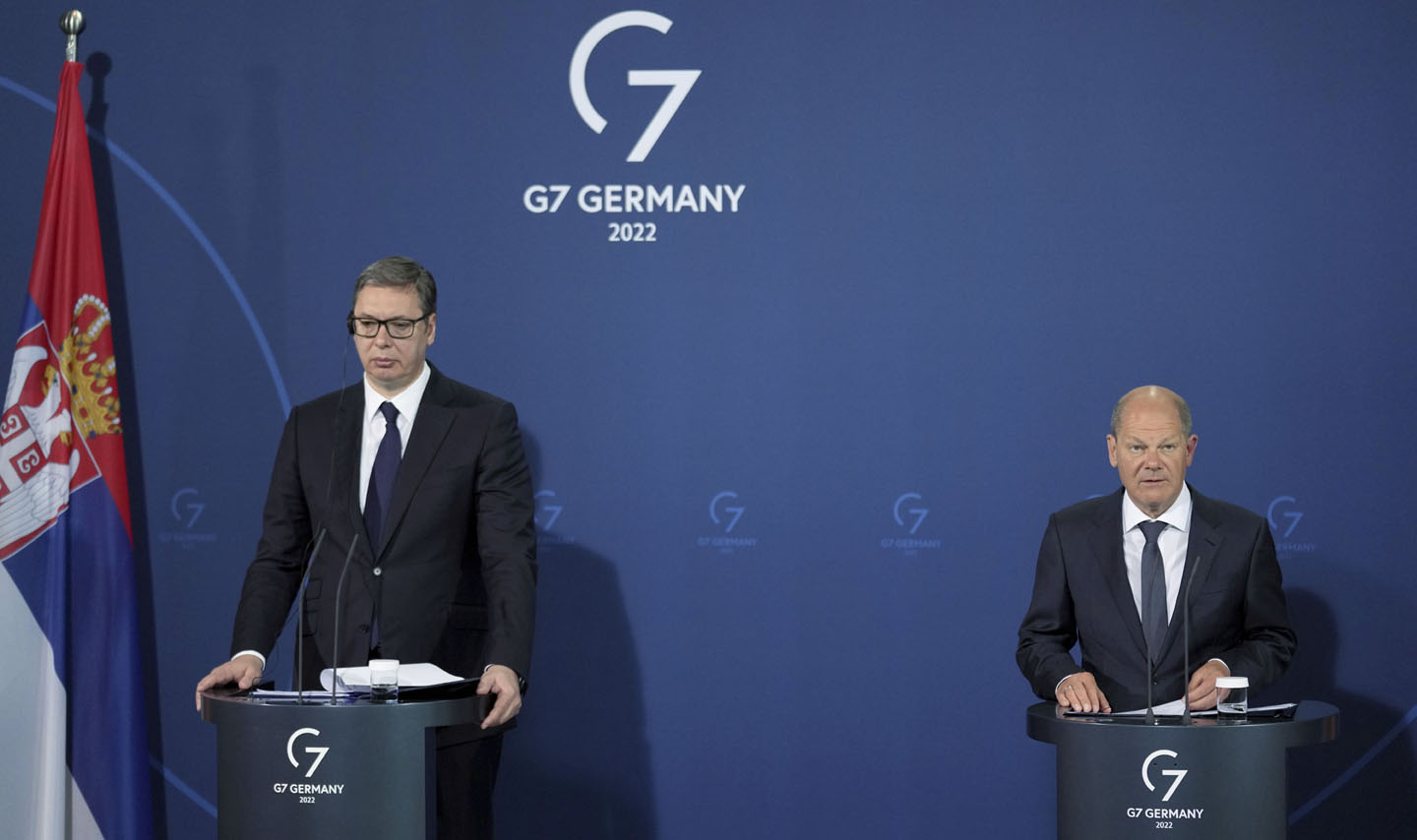 Photo: AP
Germany will continue to support Serbia's European path, but expects it to defend the common values of the European Union and stick to what was agreed upon. In particular, the dialogue on Kosovo belongs to the latter
Serbian President Aleksandar Vučić met with German Chancellor Olaf Scholz in Berlin. The talks, the topics of which were bilateral cooperation, the war in Ukraine and the dialogue between Belgrade and Pristina, were assessed by both as fruitful.
"Dialogue is of great importance both for peace and stability in the region of Southeast Europe, and for the European integration of both countries," underlined Scholz, adding that the agreed obligations must be implemented.
When it comes to the war in Ukraine, the German chancellor's message is clear - he expects EU candidate countries like Serbia to defend common values in "such difficult times". Specifically:
"It is very important that we all send the same message that we cannot accept the war waged by Russia against Ukraine." It is a particularly difficult situation and precisely in such an important time, those who are in the same camp should support each other".
When asked by a journalist whether Belgrade will bear the consequences in the accession process due to its attitude towards Russia, the German chancellor replied that Germany "has taken note of the fact that Serbia has on several occasions in the UN General Assembly very clearly and unequivocally represented the position of the EU - that it is about Russia's attack on Ukraine and that it is unacceptable".
"Ironing" the fact that Serbia is the only candidate country for EU membership that did not join the EU sanctions against Russia, the President of Serbia spoke about the "legal and political nature of the conflict" about which Serbia "expressed itself unequivocally". Vučić assessed that Scholz was "very clear and strongly reiterated Germany's positions and demands." "Serbia has a different attitude towards Kosovo and that's why we have many other problems, Serbia was under sanctions for a whole decade and we have a different sentiment towards sanctions," said Vučić and added that Serbia understood Germany's message well.
At a joint media conference, Vučić emphasized that Serbia remains committed to the European path.
Soltz expressed his concern about the "secessionist views of Serbian representative Milorad Dodik". Vučić said that the conversation about the situation in Bosnia and Herzegovina with the chancellor was open, but that they do not agree that only one side is to blame for the problems in Bosnia and Herzegovina.
Regardless, Vučić said that he promised Šolc that Serbia "will not be the cause of any problems, and when we promise something, we keep our word, and as far as that is concerned, the Western Balkans will have peace and stability."
Source: FoNet, N1
Read daily news, analysis, commentary and interviews at www.vreme.com
The Republic Election Commission (REC) made a decision today on determining the final number of voters in Serbia

A citizen of Belgrade whose polling station in Banja Luka was changed in the voter list without his knowledge claims that the Ministry did not correct his data and that the deadlines have expired. The elections are on October 25 and he still doesn't know where he will vote.

The pardon procedure implies the appropriate role of the Minister of Justice, who should initiate the procedure or submit an opinion on the pardon, says prosecutor Radovan Lazić.
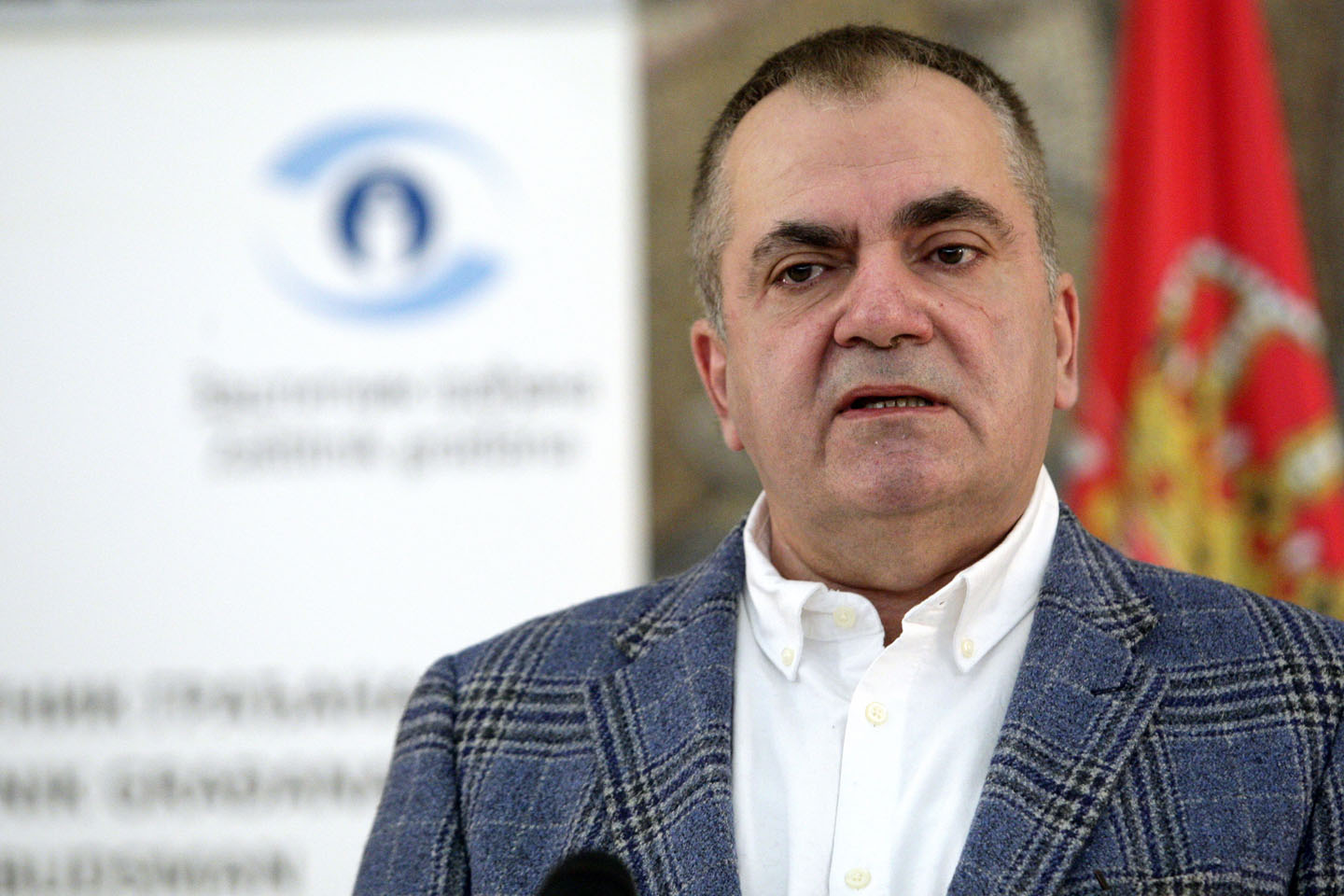
Phone numbers 064 876 85 05 and 011 2068 100 will be available 24/7 for reports and addresses to citizens, and the possibility of direct addresses at the premises of the Protector of Citizens is also provided.

NUNS demands an urgent investigation due to the threats sent to two Radar journalists who wrote about the Sky correspondence in which Aleksandar Vučić is mentioned. The association states that the threats also mention violence against children of journalists and warns of impunity

There is, literally, no difference between the one who claims it is day in the middle of the night, or the one who claims to be a giraffe, from the claims we read on billboards: that Vučić is working to unify Serbs and that Serbia is doing better and better day by day.

The pre-election arrests due to the alleged "overthrow of the state" testify to the regime's panic. The bad news for them is - they can't arrest the whole people who decided to defend themselves from progressive beatings and election theft

The ring that tightens around Ćaciland Student list is getting narrower. Because there are more and more spoiled people who see the false prophet for what he is: a street obscener who is fighting Serbia

The archive of the weekly Vreme includes all our digital editions, since the very beginning of our work. All issues can be downloaded in PDF format, by purchasing the digital edition, or you can read all available texts from the selected issue.
See all