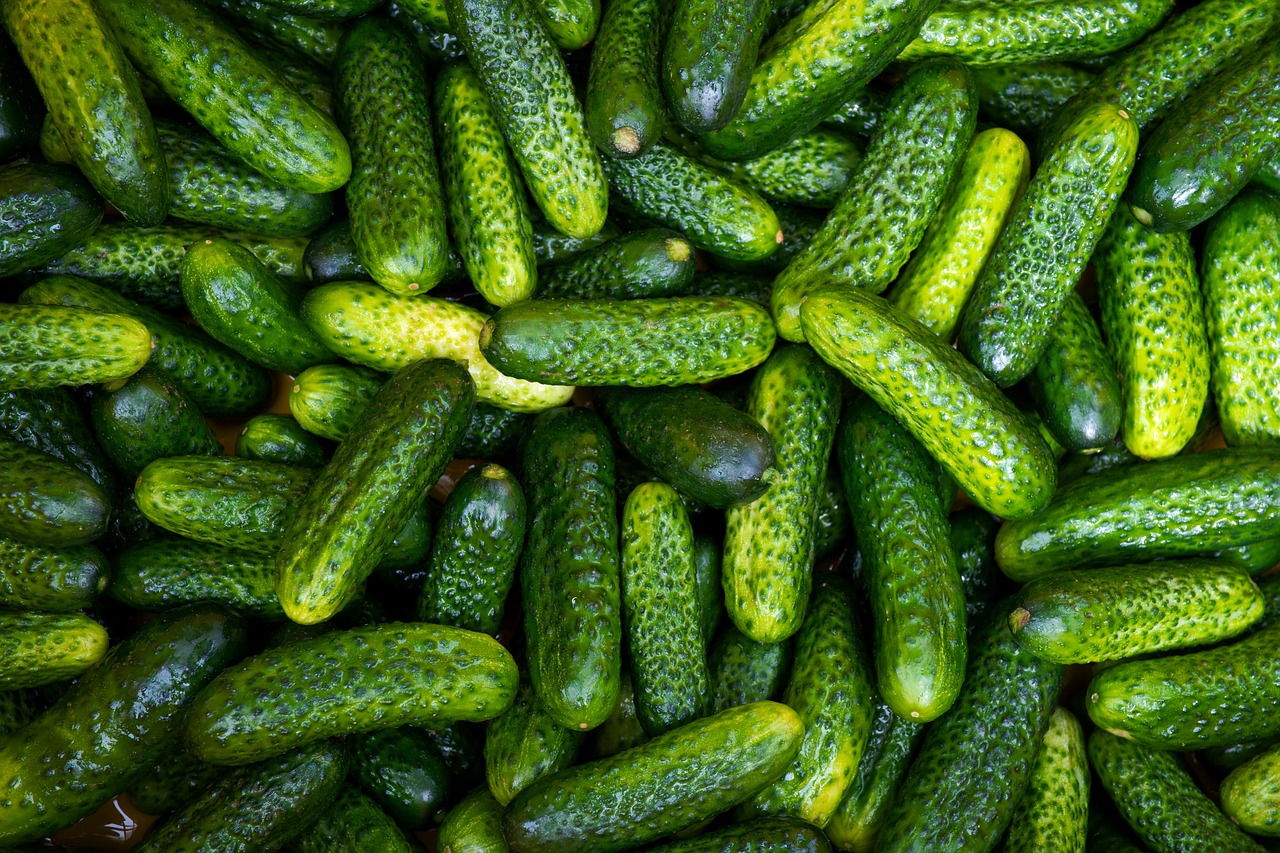
On the portal of the European Commission for Rapid Alerts in Food Trade (RASFF), it was announced that cucumbers from Serbia intended for the Slovenian market were stopped at the border, because the fungicide Metalaksil was found in them. reports Euronews Serbia.
U Commission notification it is stated that these are fresh cucumbers intended for further processing and that the fungicide Metalaxil is not dangerous in itself, but the problem is that a larger than permitted amount was found in the cucumbers.
The permitted amount is 0,01 milligrams per kilogram, and the amount recorded in cucumbers is 0,025.
After the control at the border, it was decided to destroy the cucumbers, according to the commission.
Metalaxyl is a fungicide that belongs to the acylalanine chemical group and is mainly used to control downy mildew (plant disease) in vines, tomatoes, eggplants, potatoes, bulb vegetables and tobacco.
Banned pesticide
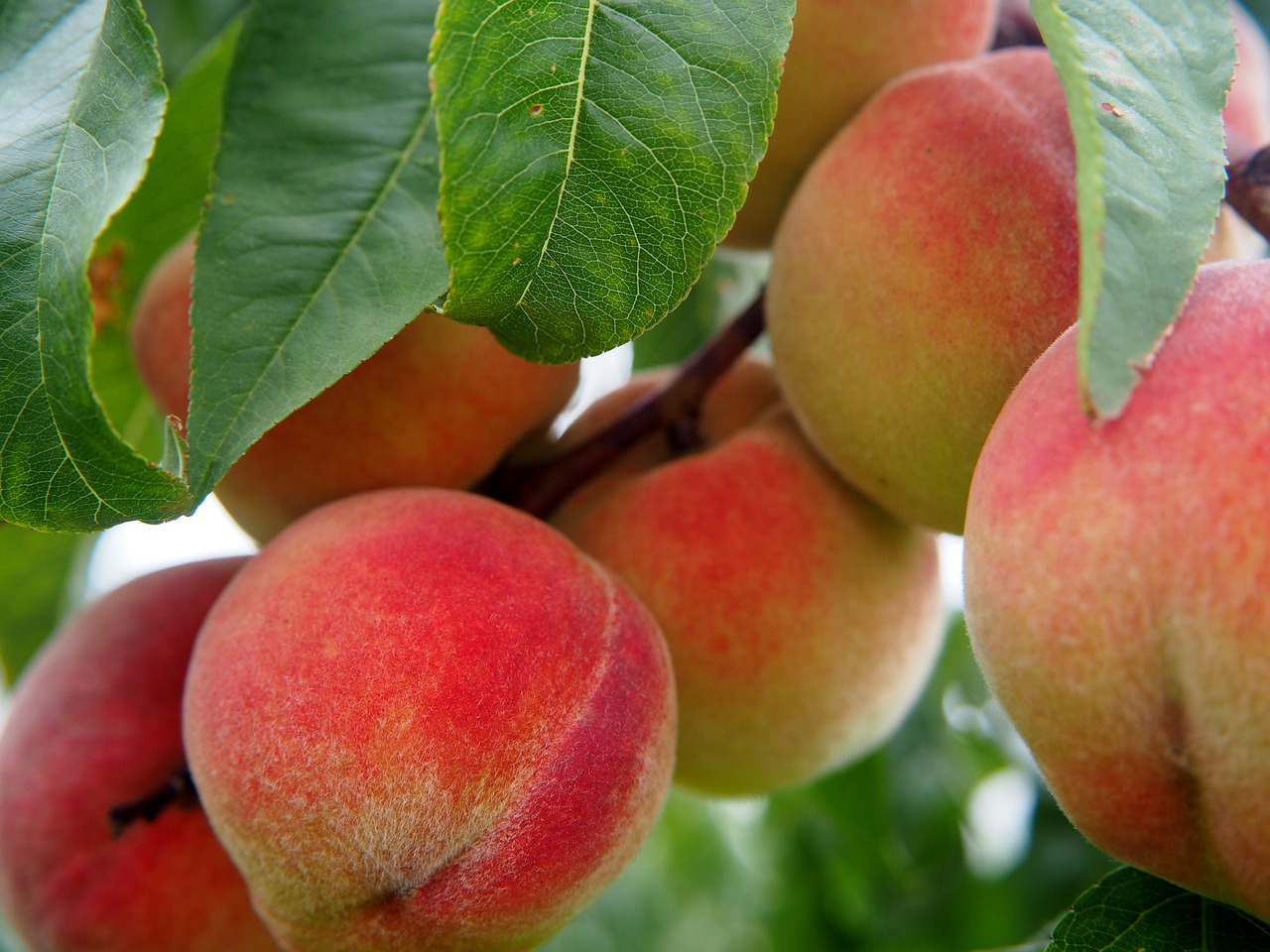
This is the third case in the last few months that food from Serbia has been stopped at the borders of the European Union due to defectiveness. Recently, a similar thing happened when Croatia reported that a shipment of peaches from Serbia was potentially risky due to high levels of the pesticide chlorpyrifos.
This pesticide has been banned in Serbia since 2020 after its license expired. In Croatia and many other countries, it was used legally until 2006, and became one of the most used chemicals for the protection of crops, fruits and vegetables. Since 2006, it has been banned for the treatment of fruits and vegetables in most countries of the European Union.
Read more Fraudulent business
It is a pesticide that has been found to cause developmental disorders in children, nausea, dizziness, and can lead to paralysis and death.
Just two weeks later, the presence of the same pesticide was recorded in another shipment of fruit from Serbia to Croatia - plums. As in the case of cucumbers, it was about 25 times the amount of harmful chemical than allowed.
What do the experts say?
BioGenesis Development Director Violeta Josifova, regarding the case of returned peaches, said that Serbia has become a "dump for unused stocks of chemicals banned in the EU".
"At the moment, it is not known what is in stock and how many years it will be dragged around various cooperatives and sold illegally." Multinational companies have brought everything that they no longer put on the market in the EU to Serbia because they are allowed uncontrolled importation. The mechanisms of market demand and supply were violated by this," notes Josifova, a reports Danas.
The Ministry of Agriculture, as she explains, ignored her requests and warnings, and Minister Jelena Tanasković "allowed the interventional import and use of the banned active substance chlorpyrifos, which has not been used in Serbia for a long time." As he concludes, this may now have a negative outcome for Serbia because "the entire export of fruits and vegetables could be banned."
Read more Minister warned, Serbia is becoming a "dump" for chemicals banned in the EU
However, in announcement of the Ministry about the disputed shipment of peaches they said that when we talk about notifications, "they are not an announcement of a ban or an automatic ban on exports and imports", but represent "a warning for the country that receives the notification to raise its control system".
The president of the National Consumer Organization of Serbia, Goran Papović, notes that the competent institutions are not seriously engaged in controlling the healthiness of food. This is evidenced by the fact that the Safety Council, which should deal with risk assessment in the area of food safety and gives approval when a new product should be placed on the market based on the composition specified by the manufacturer, has not met for five years.
"In our country, there is almost no control over the use of pesticides, fungicides, insecticides and withdrawal periods. "For almost ten years, the National Consumer Organization of Serbia has been asking for funds to be provided so that it can send samples for analysis to an independent laboratory, but they have not been allocated," Papović told Danas.
AE/Euronews Serbia/Danas
Read daily news, analysis, commentary and interviews at www.vreme.com