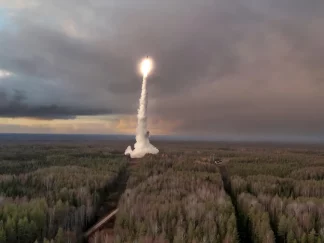
Intercontinental ballistic missile testing in Yars, Russia

Sensationalism

21.November 2024 TS

Scaring people with nuclear war

How far is the world from a nuclear war between Russia and the West? If you believe the Serbian tabloids, it's high time to pack your bags, stock up on food and run to some makeshift nuclear shelter. The reality, however, is a little different

The World

15.October 2022 MN

Emmanuel Macron: Undermining the atomic balance of fear

A possible nuclear attack by Russia on Ukraine would not threaten the fundamental interests of France, so in that case it would not respond with its atomic arsenal, the French president said, triggering a barrage of criticism.

TV maniac

28.September 2022 Dragan Ilic

The end of the world, but live

As soon as the anti-vaxxer and anti-globalist protests ended, a new group appeared that refuses to be listed - the so-called "anti-listers". They sound like Prle and Tihi

Comment

28.April 2022. Andrei Ivanji

Russia invades Ukraine: World War III has begun

Countries from four continents are directly involved in the war in Ukraine, and almost the whole world is indirectly affected. It is a world war, except that it is not the Third World War that generations have feared. Still

Analyze

30.march 2022 Slobodan Bubnjević

Nuclear Protocols: Mad Man's Rule

Concerns about nuclear arsenals have been brought up again by the war in Ukraine and the clanking of doomsday weapons. On the thin border of the conflict are Russia and the USA, which have 90 percent of the 13.080 nuclear warheads in the world today. Both the American and Russian protocols on the activation of strategic nuclear capacities provide that the decision on this is made exclusively by the president of the state. In the event that the President of Russia is unable to respond to a nuclear strike, the "Dead Hand" system automatically recognizes him and launches a counterstrike.

Analyze

10.march 2022 FM/AI

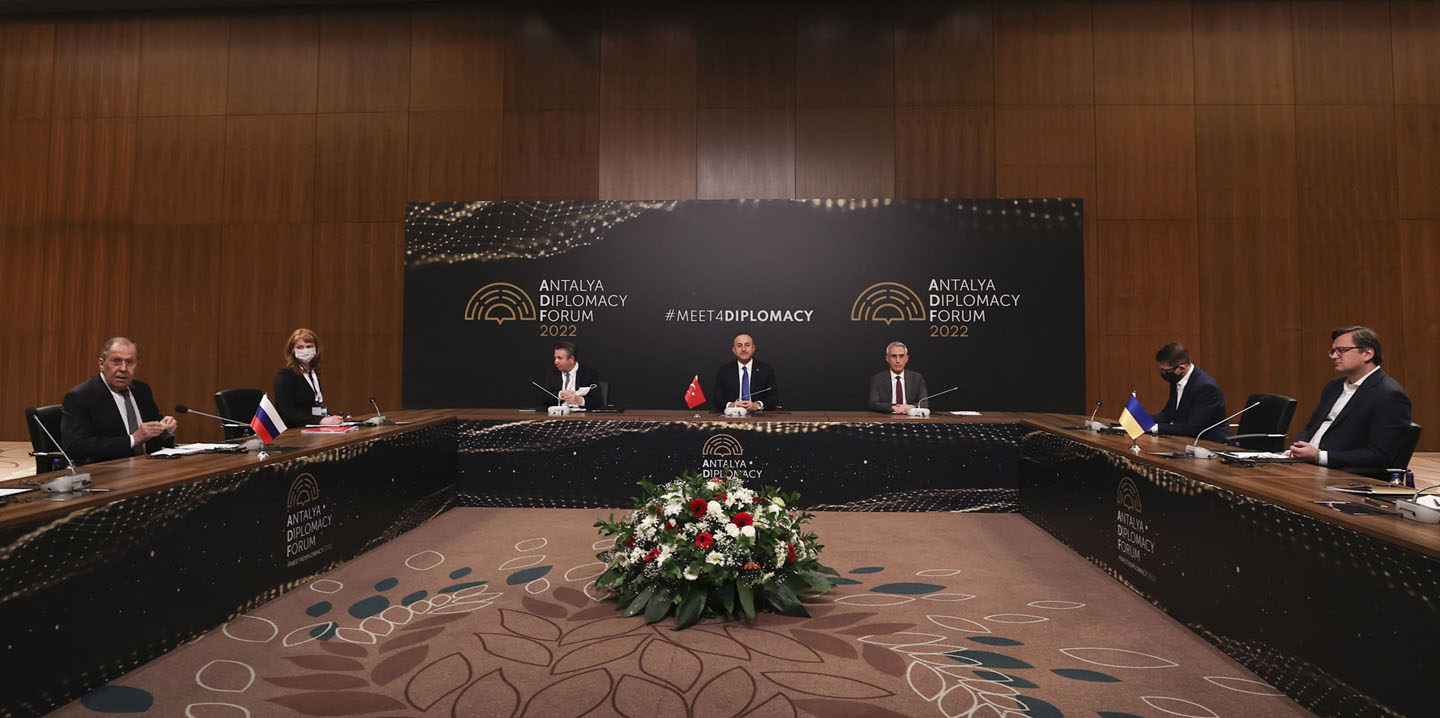
Negotiations in Antalya: Old demands and new accusations

Foreign Ministers of Russia and Ukraine, Sergey Lavrov and Dmytro Kuleba, met on Thursday morning in Antalya. There was no progress. They repeated the previous demands and expanded the list of accusations. Everything is happening at a dangerous speed where all three parties first react and then think about the consequences

Analyze

04.march 2022 Slobodan Bubnjević

Nuclear alarm: Fire in Zaporozhye

The battle for Europe's largest nuclear power plant led to a fire that was quickly put out. There was no radiation leak in Zaporizhzhia, but the fear spread across the continent this March morning, which will affect the further course of war conflicts in Ukraine.

Analyze

28.February 2022. Slobodan Bubnjević

War in Ukraine: Rattling the Apocalypse

On the afternoon of Sunday, February 27, Russian President Vladimir Putin put the nuclear command of the Russian Federation on "alert status" and raised the "deterrent force" to the mode of "combat alertness", i.e. combat readiness. In accordance with the "doctrine of assured mutual destruction". and the U.S. armed forces have raised their combat readiness proportionately puzzling that the West ignores it to such an extent

Ukraine's nuclear arsenal

12.February 2022. Slobodan Bubnjević

Relations between Russia and Ukraine: Agreement weighing 1700 nuclear warheads

Kiev gave up its nuclear arsenal after the collapse of the USSR. The USA, the Russian Federation, Great Britain and Ukraine signed the "Budapest Memorandum" in 1994, which included the obligations that the great powers will have towards Ukraine after it gets rid of its bombs, primarily the protection of Ukrainian sovereignty. When Russia annexed Crimea in 2014, Washington announced that the Budapest Memorandum was not actually legally binding.

A culture of memory - Fifty years since the Cuban Missile Crisis

17.October 2012 Milan Milošević

Thirteen days that changed the world

In the fall of 1962, the world watches helplessly as a Cold War nuclear poker game in which the chip equals one megaton of trinitrotoluene. The Soviet government is secretly building bases in Cuba and deploying missiles with nuclear warheads within range of Washington and half of the US strategic bomber bases. US President John F. Kennedy rejects military pressure to bomb Cuba immediately and orders a naval blockade. American bombers are in the air. Russian ships are approaching the blockade line of which they were not informed... Exactly half a century has passed since the thirteen-day Cuban missile crisis in October 1962, when atomic Armageddon was narrowly avoided, the last battle before the end of the world