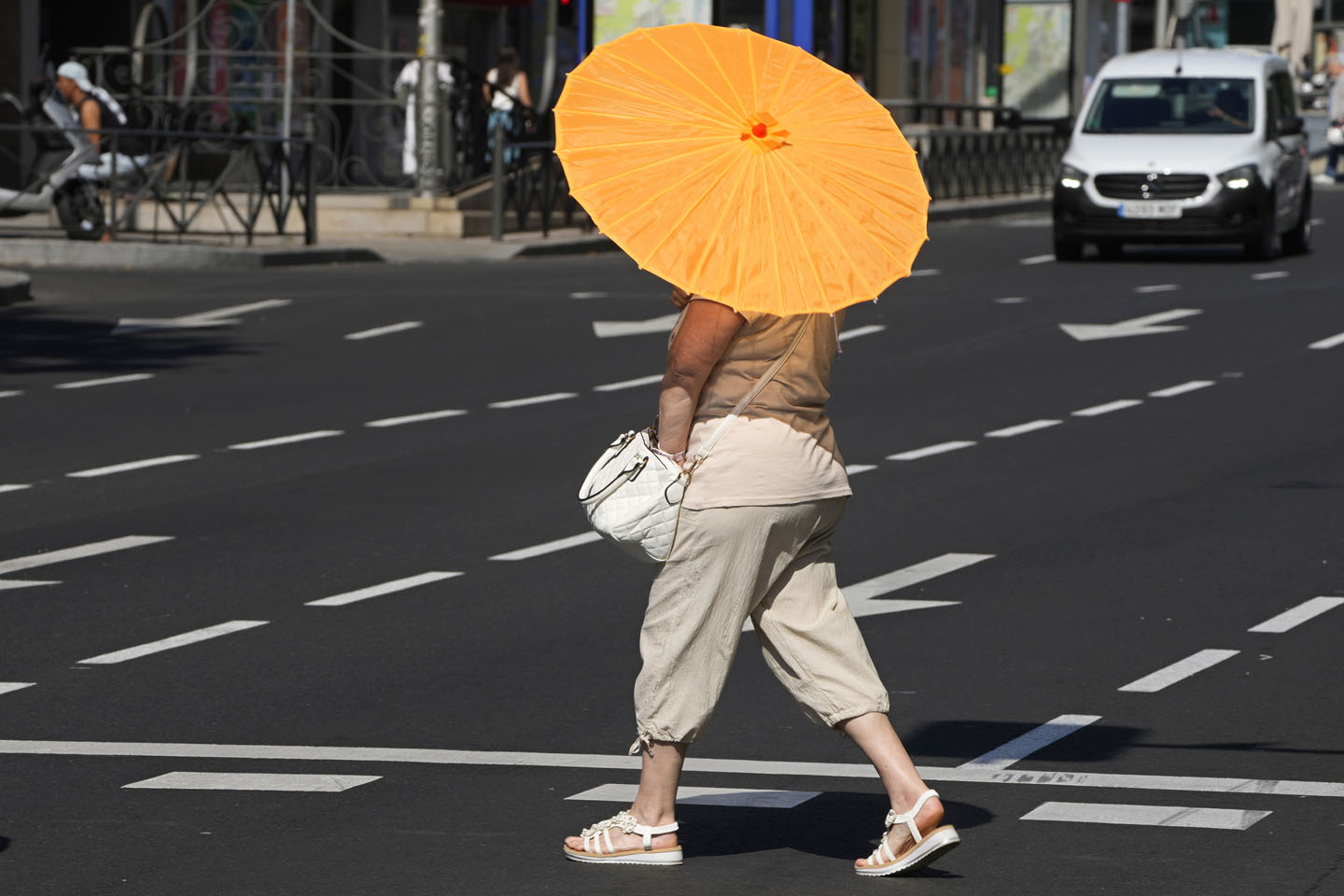
At least 35.000 people died in Evropi during four consecutive heat wave this summer, according to preliminary data, which so far covers a little more than half of the Old Continent, writes the Guardian.
The final balance could be significantly higher, as many countries have not yet released data for August, while estimates for previous months are still being reconciled. The highest number of victims was recorded in Germany, France and Spain, where a total of more than 25.000 additional deaths have already been registered.
The heat waves that have repeatedly hit Western Europe since May broke temperature records at hundreds of meteorological stations.
In France, the hottest day was recorded at the level of the entire country since the beginning of measurements, while in Germany at the end of June, temperatures at 46 measuring stations exceeded 40 degrees. In Spain, temperatures exceeded 42 degrees for days.
Germany breaks black record
Germany is the hardest hit among European countries. The "Robert Koch" Institute estimates that from April 6 to August 9, about 14.000 people died as a result of the heat. In one week alone, from June 22 to 28, there were an estimated 9.600 heat-related deaths.
This year's summer thus became the deadliest in Germany since comparable data have been kept. The previous record was set in 2018, when there were an estimated 8.900 heat-related deaths.
Thousands of victims in France and Spain
In Spain, 4.947 deaths have been linked to high temperatures since May, according to data from the "Carlos III" Institute.
Thus, the year 2026 has already surpassed the previous record from 2022, when 4.520 deaths were estimated as a result of the heat.
By July 22, France had recorded around 7.300 additional deaths, but that figure did not include victims during August.
During one of July's heat waves, from July 3 to 22, France registered 1.243 more deaths than expected.

Photo: Gerd Altmann/PixabayConsequences of extreme heat
Determining the number of victims of heat waves is particularly complex because extreme temperatures are rarely cited as the immediate cause of death. Heat often worsens existing diseases, especially heart and respiratory problems, and the consequences can be heart attack or stroke, as well as kidney failure.
Therefore, the number of heat-related deaths is most often estimated by comparing expected and actual deaths during periods of extreme temperatures. The final data can therefore only be known weeks or months later. Experts warn that the current estimates are likely to be increased once all the data is processed.
The heat is taking lives across Europe
The consequences of extreme temperatures were also recorded in other countries.
In England, heatwaves during May and June were linked to an estimated 2.877 deaths, while Belgium recorded an additional 1.222 deaths between 18 and 29 June.
In the Netherlands, between June 22 and July 5, at least 900 more people died than expected.
Estimates also point to around 1.070 additional deaths in Poland during the heat wave at the end of June, while Switzerland recorded around 220 heat-related deaths during the same week.
According to estimates, this summer temperatures of more than 40 degrees have affected areas where more than 80 million Europeans live.
Photo: AP/Paul WhiteIntense heat
Climate change increases the risk
Scientists warn that climate change is contributing to the fact that extremely high temperatures are becoming more frequent and intense. The World Health Organization states that heat-related deaths in the European region have increased by more than 30 percent over the past two decades.
In addition to climate change, an additional problem is the aging of the population, as the elderly are particularly vulnerable during prolonged periods of extreme heat.
The final balance of this year's heat waves will be known only after European countries process the data for August and complete their assessments, but it is already clear that the summer of 2026 will be remembered as one of the deadliest in recent European history.
Exclusive in August: Save three thousand dinars on the annual subscription to the digital edition of "Vremena"! Take advantage of the discount here and support independent journalism.