
The World
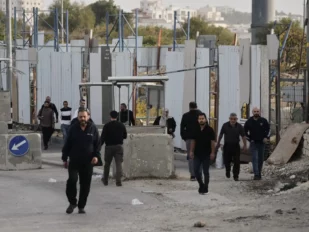
Israel begins demolitions in the West Bank
The Israeli human rights organization "Bethlehem" has condemned the plan for the "forced displacement of Palestinian residents" from a settlement in Hebron.

With the arrival of a new prime minister, Hungary has launched extensive political and institutional reforms after sixteen years of Viktor Orbán's rule.
With the coming to power of Peter the Magyar, once close to Fidesz, and today its great critic, Hungary entered the period of the greatest political changes in the last sixteen years. The new prime minister has launched sweeping reforms to reshape the political system.
Even during the pre-election campaign, the Hungarian pledged to cleanse the country of corruption.
After winning the elections, he launched an anti-corruption campaign and announced investigations into the use of public money during the previous government. He announced the revision of large state contracts and infrastructure projects, among which is the Belgrade-Budapest railway project.
He pressed for the release of documents on the presidential pardon, which could shed light on the affair that rocked the country. Namely, he asked the President of the State, Tamas Šujok, to publish documents related to the presidential pardon of the former deputy director of the children's home in Bičke near Budapest, Andre K, who is connected to the pedophile scandal. The answer came from the presidential cabinet that they will cooperate with the government.

"Hungarian society has the right to know how the decision to pardon a person who participated in the cover-up of a pedophile crime could have been made," the Hungarian government website says.
The Hungarian repeatedly asked Fidesz officials to resign. President Sujok, one of Orbán's loyalists, succumbed to the pressure and did so yesterday (July 19.7).
A big goal for the Hungarian is the re-establishment of good relations with Brussels, which were damaged mainly because of the corruption scandals of the previous government and human rights issues. Negotiations on the unblocking of several billion euros of European funds, which were frozen in previous years, have been initiated.
One of the points of conflict between the European Union and Orbán's regime was the issue of an independent judiciary. The Hungarian announced reforms in this area, which should increase his independence and make the process of appointing state officials more transparent. Changes in the Constitutional Court and limits on the length of mandate of certain officials were also announced.
The same package of reforms foresees the abolition of the Office for the Protection of Sovereignty, an institution established by Orban's government in 2023. Critics claimed the office was used to pressure the media, NGOs and political opponents.

One of the most ambitious ideas of the Hungarians is to change the constitutional system in order to prevent excessive concentration of power in the hands of one party. In Niamey, the parliament made a decision to limit the duration of the prime minister's mandate to a total of eight years. Yes, this means that Orbán could never be prime minister again, given that he was in power in Hungary for more than 16 years.
The new government also announced the reorganization of public services. According to the proposal, the public service should get a new management structure and stronger mechanisms to preserve independence.
In addition, the possibilities of employing guest workers have been tightened, in order to preserve jobs for its citizens.
Real journalism costs money, and we will not be bought by tycoons and corporations. Support us with a one-time or monthly donation. The time for it is now!
The Israeli human rights organization "Bethlehem" has condemned the plan for the "forced displacement of Palestinian residents" from a settlement in Hebron.

The Ministry of the Interior has announced that it will hire 70.000 police officers, which will increase the security presence in French cities.
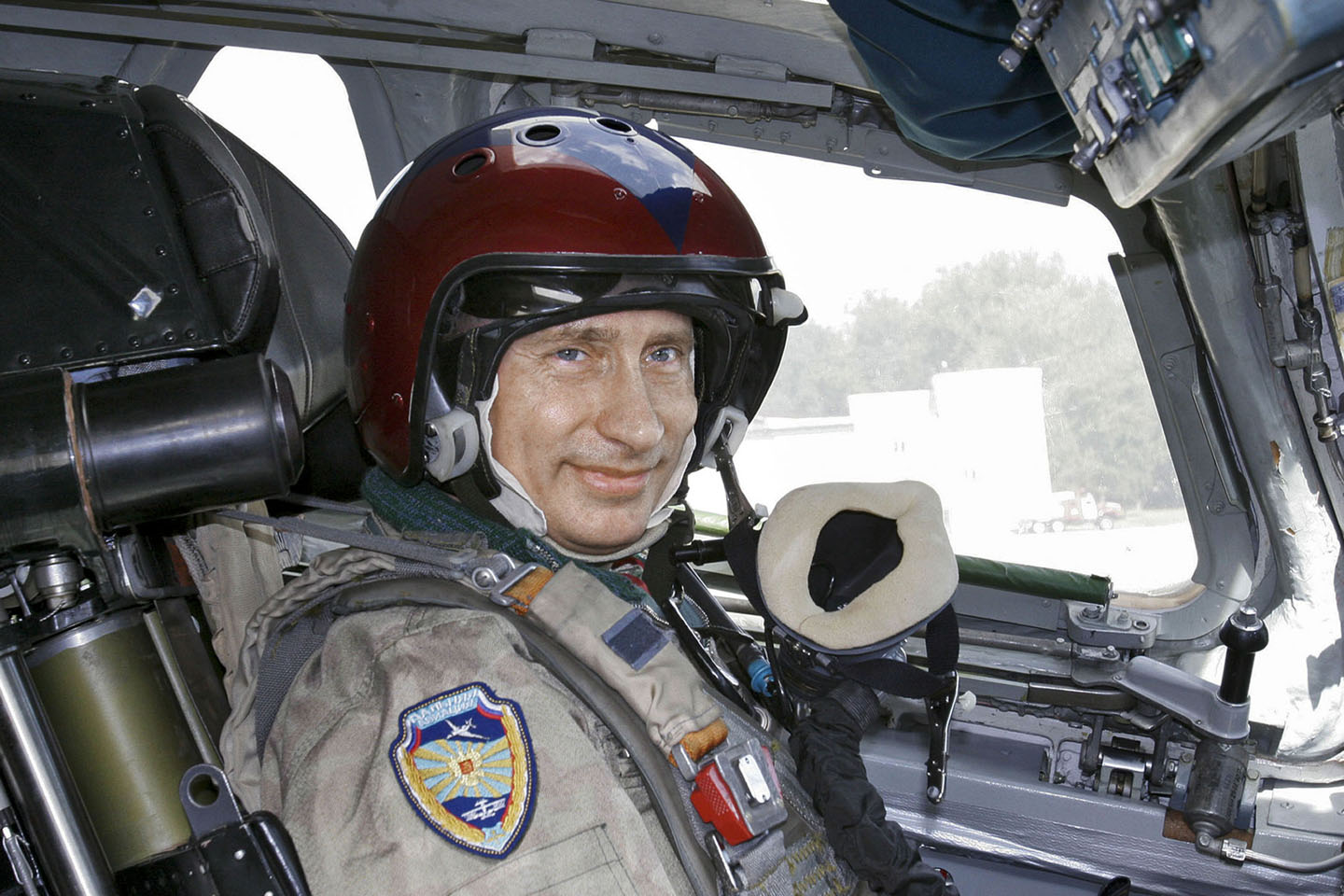
"Now they are talking about the threat from Russia and the beginning of preparations for war with Russia, which, in my opinion, is a kind of political schizophrenia," said Russian President Vladimir Putin

For the first time in almost two years, the opposition in Venezuela took to the streets across the country to demand elections by July 2027. The government organized its own march in the same square on the same day

France is preparing for Saturday's protests with a series of bans on gatherings and an increased police and military presence. The courts have already overturned one ban in Paris, and unions and students are calling for peaceful demonstrations

There is, literally, no difference between the one who claims it is day in the middle of the night, or the one who claims to be a giraffe, from the claims we read on billboards: that Vučić is working to unify Serbs and that Serbia is doing better and better day by day.

The pre-election arrests due to the alleged "overthrow of the state" testify to the regime's panic. The bad news for them is - they can't arrest the whole people who decided to defend themselves from progressive beatings and election theft

The ring that tightens around Ćaciland Student list is getting narrower. Because there are more and more spoiled people who see the false prophet for what he is: a street obscener who is fighting Serbia

The archive of the weekly Vreme includes all our digital editions, since the very beginning of our work. All issues can be downloaded in PDF format, by purchasing the digital edition, or you can read all available texts from the selected issue.
See all




