Two former Prime Ministers stood up Greek politics: leftist Tsipras would like to return to the stage, and the conservative Samaras is fueling opposition to the rapprochement with Turkey. The pressure on the Mitsotakis government is growing.
The unwritten rule of politics in Greece is: the former prime minister should avoid the big political scene and refrain from comments and lectures. At least that's how it was until now. Since the restoration of democracy in that country in 1974, almost every former prime minister has adhered to it, he writes Deutsche says.
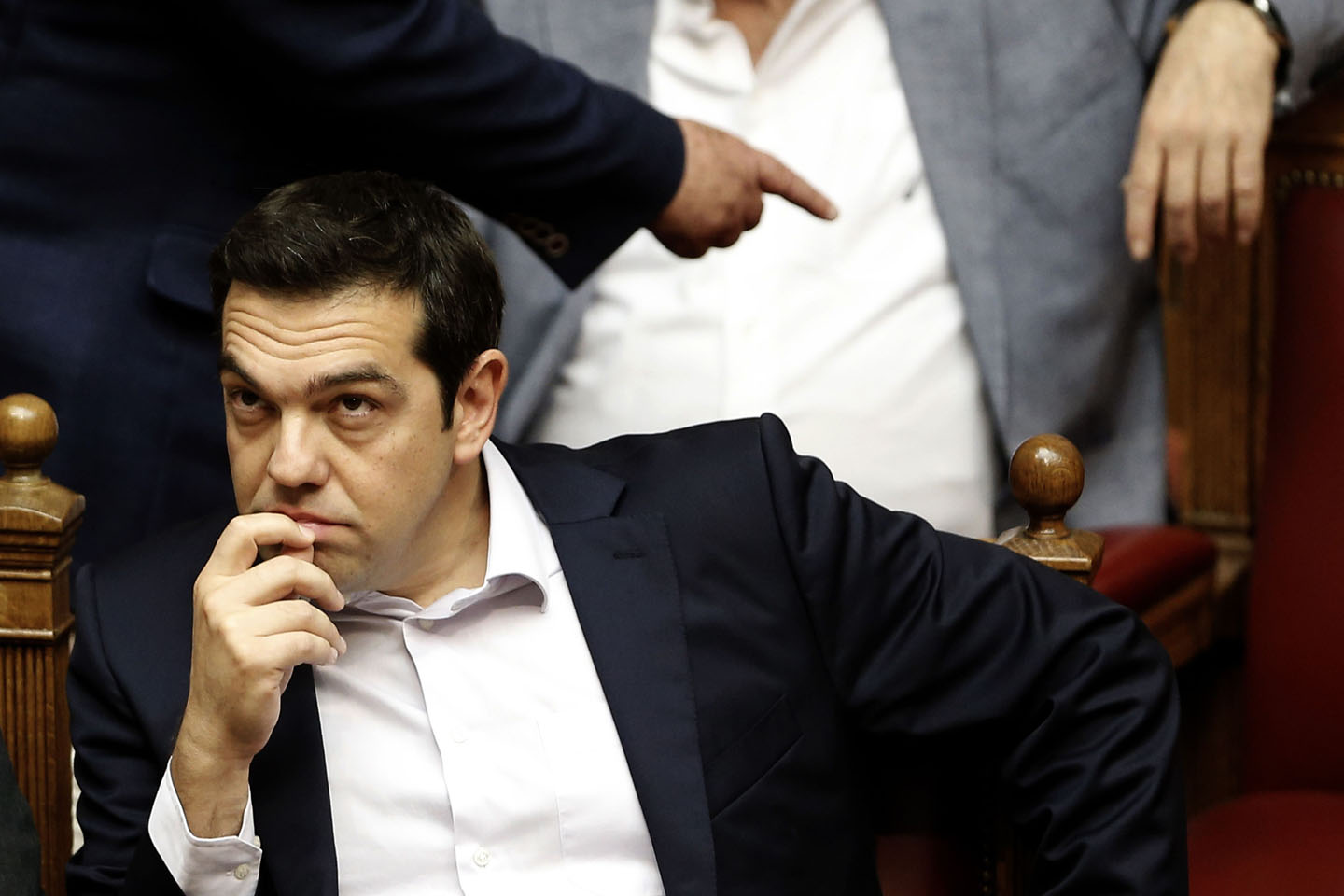
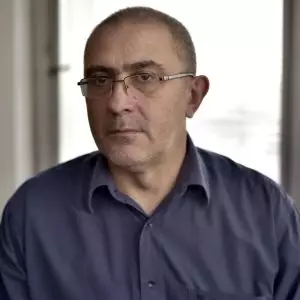
For former leftist Prime Minister Alexis Tsipras, who governed Greece at the height of the debt crisis from 2015 to 2019, silence is not an option. Although he has been reclusive in recent years, the former idol of the Greek left is now working on a political comeback.
After numerous rumors, Tsipras himself finally confirmed that he wants to found a new party: in early October, he announced his withdrawal from the opposition left-wing party Syriza, whose president he was until May 2023, when he gave up his parliamentary mandate. In an interview with the left-wing newspaper Efimerida ton Syntakton, the former prime minister stated that he wanted "the reorganization of the progressive opposition, which today does not fulfill its social role." Remodeling under his leadership, of course.
A politician who speaks "directly" to the people
The departure of Tsipras is a death sentence for Syriza, political analyst Lefteris Kousulis assesses for DW. Because, as he explains, "currently, Syriza barely reaches four percent in the polls and would barely enter parliament if elections were held today."
Now Tsipras wants to "speak directly to the citizens". Like in the summer of 2015, when he and Finance Minister Yanis Varoufakis organized a referendum against austerity measures and tried to revolt against international creditors - but in the end they failed ingloriously.
"Tsipras did the right thing then, but he was completely alone," Martin Shirdevan, head of the Left caucus in the European Parliament, told DW last summer. The conservatives, who have ruled in Athens since 2019, think differently, of course. "I am fighting so that Greece does not become the laughing stock of Europe again - like when you led the country," conservative Prime Minister Kyriakos Mitsotakis recently told the left-wing opposition during a debate in parliament.
"There is a big vacuum in Athenian politics at the moment," complains the political scientist Kousoulis. The opposition in particular is weakened and divided like never before. Not only the conservative Prime Minister Mitsotakis benefits from this, but also the leftist Tsipras, whose new party, according to polls, could attract up to 20 percent of voters.
Congratulations to Erhurman on his election victory
A memoir about the key moments of Tsipras's rule is eagerly awaited. His autobiography will be published in November. Publisher Kostas Dardanos heats up the anticipation on the Naftemporiki.gr portal: "Everyone has already talked about the debt crisis and expressed their opinion. Now it's time for Alexis Tsipras, the main actor of that period, to present his version of events." Apparently, he also has something to say about former German Chancellor Angela Merkel.
In addition, the left-wing politician wants to speak out on important topics in the future. For example, on the presidential election in northern Cyprus last week (October 19, 2025): Tsipras wished winner Tufan Erhurman "a lot of strength" and expressed "expectations for the resumption of peace talks" on the divided island.
A popular voice to the right of the conservatives
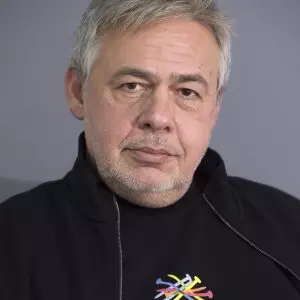
Greek-Turkish rapprochement with Tsipras' blessing? Such a move also brings another former prime minister onto the scene: Antonis Samaras, a conservative icon and prime minister from 2012 to 2015.
For years, Samaras has been criticizing Athens' "appeasement foreign policy" and alleged "concessions" to neighboring countries. He was especially enraged by the "Prespa Agreement", by which Tsipras and his North Macedonian colleague Zoran Zaev ended the dispute over the name of that country in 2021. The possible rapprochement of Greece with Turkey is an even bigger thorn in Samaras' side.
At the end of 2024, Prime Minister Mitsotakis pulled the trigger and expelled Samaras from the conservative New Democracy (ND) party. Since then, Samaras has stepped up his fundamental criticism of his conservative rival's policies. "Greece is marginalized and absent internationally. It's as if we've given up our own foreign policy," he told the Athens newspaper Ta Nea in May.
According to media reports from Athens, the establishment of a "patriotic" party under his leadership is only a matter of time. "Indeed, many things indicate that Samaras will found his own party," believes political scientist Kusulis. This would increase the pressure from the right on the ruling conservatives. Important foreign policy decisions would be difficult, but probably not completely called into question, believes the Athenian analyst.
Nepotism system
Another question remains: usually former politicians are enjoying time off or retirement – or looking for lucrative jobs in the private sector. Why exactly in Greece right now two former prime ministers want to return to active politics?
"If there was real intra-party democracy here, we would certainly see new faces in high party positions," says political scientist Kusulis. In the system of nepotism, it is not so simple. The result: "The old staff keeps coming back to the big stage with supposedly new ideas."