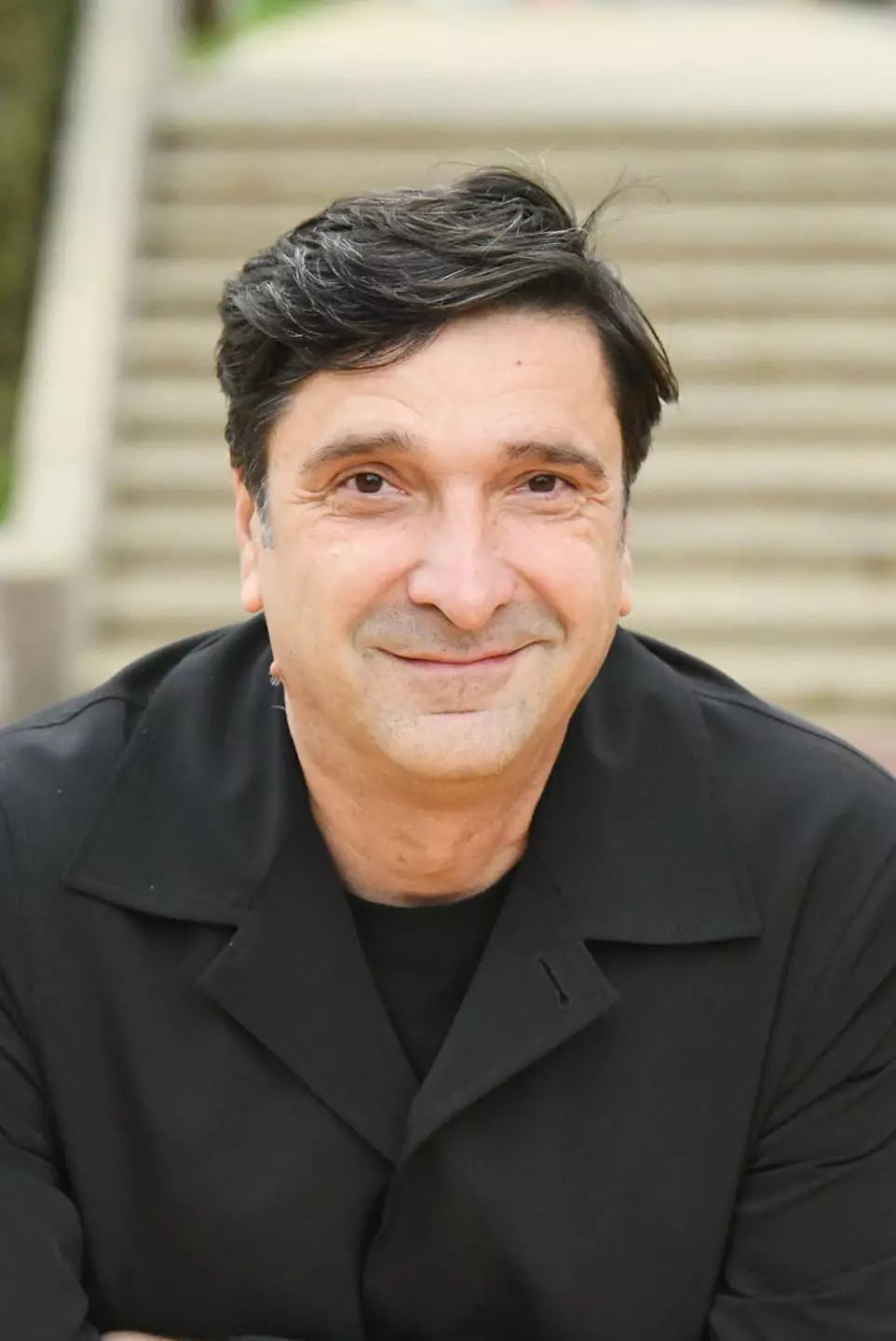
Sean Hodgson looked after his friend Robert Card, whom he had known for almost two decades. He saw his former roommate and US Army reservist become paranoid and angry, while having access to weapons and refusing to accept help. Hodgson did, as he says, the hardest thing in his life and reported it all to his superior in the army.
"I think he's going to snap and commit mass murder," he wrote in a text message on September 15.
Six weeks later, on October 25, Card killed 18 people at a bowling alley and bar in Lewiston, Maine. He was on the run for two days, after which his body was found. It is assumed that he killed himself.
"I wasn't in his head and I don't know exactly what he was going through." But I know I was right," said Hodgson in an exclusive interview with the Associated Press.
Many warning signs regarding Card have been documented. In May, his relatives warned police that he was becoming paranoid and were concerned because he had a weapon. In July, Card was hospitalized in a psychiatric facility for two weeks after he pushed a reservist and locked himself in a motel room. In August, the army banned him from carrying weapons while on duty.
His friend sent the clearest warning in September, telling authorities to change the code at the entrance to the Army Reserve Training Center and to arm themselves if Card showed up.
"Please, I don't think he's in the right mind," Hodgson wrote.
But authorities refused to confront Card and thus failed to intervene and prevent the largest mass killing in Maine history.
It is very difficult for Hodgson to accept, and he rejects the allegations of the police, who in the report described him as a man who exaggerates.
"I did everything I could, even more than that, I literally mapped out for them what he was going to do." I don't know if I could have told them that more clearly."
His story, however, gives a clearer insight into what was left to be done to prevent the massacre.
The Army, in a response to Associated Press questions about the investigation and Hodgson's warnings, said it should not jump to conclusions until an independent investigation by the Army's inspector general is concluded.
"Speculation at this moment, when we don't know all the details, can affect the outcome of the investigation." More details will be known when the investigation is completed," said reserve spokesman Eddie Lionhart.
Sheriff Joel Merry, who oversees Sagadahoc County, where Card lived, did not respond to questions from The Associated Press about whether Hodgson's warnings were taken seriously, but previously said his office had been "completely transparent" in working with the independent commission appointed by the governor. .
Hodgson says he does not know where the lapses occurred, but believes more could have been done to prevent the tragedy.