How governments around the world are responding to wildfires in fuel prices caused by war in the Middle East
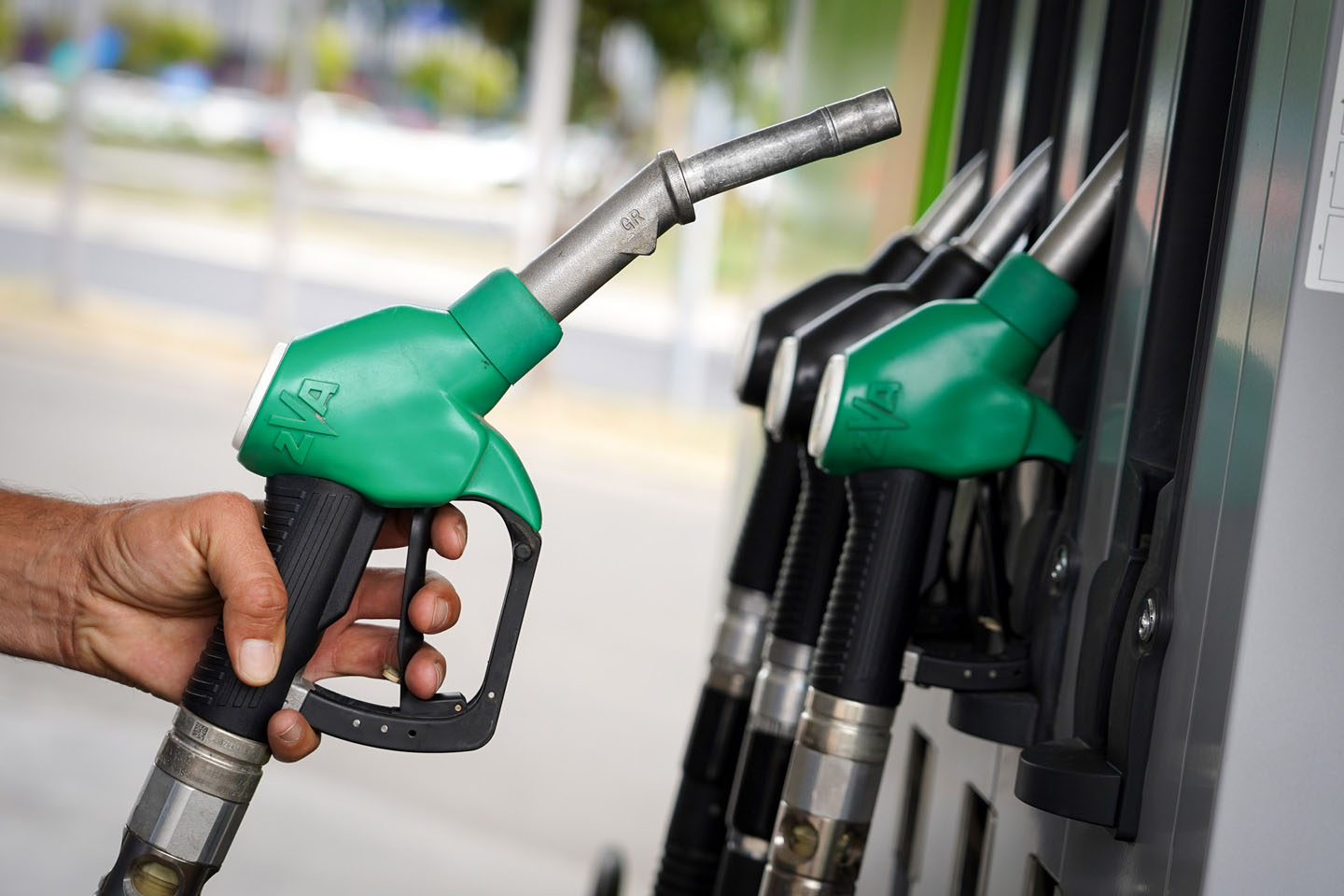
Never petrol i diesel in Germany they were no more expensive than in April 2026. According to the Clever Tanken price comparison portal, diesel on average in the 100 largest German cities occasionally cost more than 2,43 euros per liter, and super E10 (gasoline with 95 octane and ten percent ethanol) more than 2,18 euros. It's even during oil crisis in the 1970s, the price of fuel in Germany - adjusted for purchasing power - remained well below two euros, he writes DW.
No wonder: according to the International Energy Agency (IEA), the war with Iran caused a far greater shock to the supply of the global market fuel rather than the then oil embargo of the Arab countries of OPEC. In addition, at the time, supply disruptions only affected certain Western countries that aided Israel in the Yom Kippur War against Egypt and Syria.
Today, the rise in global oil and liquefied natural gas (LNG) prices affects virtually all countries, although to varying degrees. To calm the market, many countries released part of their national oil reserves, but with limited effect. In addition, governments around the world are responding in different ways. We looked at some national measures.
Europe
In Germany, the federal government has agreed to reduce the excise tax on fuel by 0,17 euros. The loss of tax revenue is estimated at 1,6 billion euros. Also, this year, employers can pay employees a one-time tax-free aid in the amount of 1.000 euros.
After strong protests over rising energy costs in Ireland, the government in Dublin adopted a comprehensive package of measures worth half a billion euros. Among other things, about 500.000 low-income households receive an allowance for heating costs. Charges of 0,22 euros per liter of diesel and 0,17 euros per liter of gasoline were abolished at the pumps until the end of May.
Since 2018, a sliding tax on fuel has been in effect in Turkey. It is reduced when the price rises, so the government automatically smooths out the oscillations – but at the expense of tax revenue. Finance Minister Mehmet Šimšek recently warned that such a system is sustainable only temporarily, but not in the case of long-term high prices.
Photo: AP Photo/Photo: Altaf QadriThe Strait of Hormuz
Asia
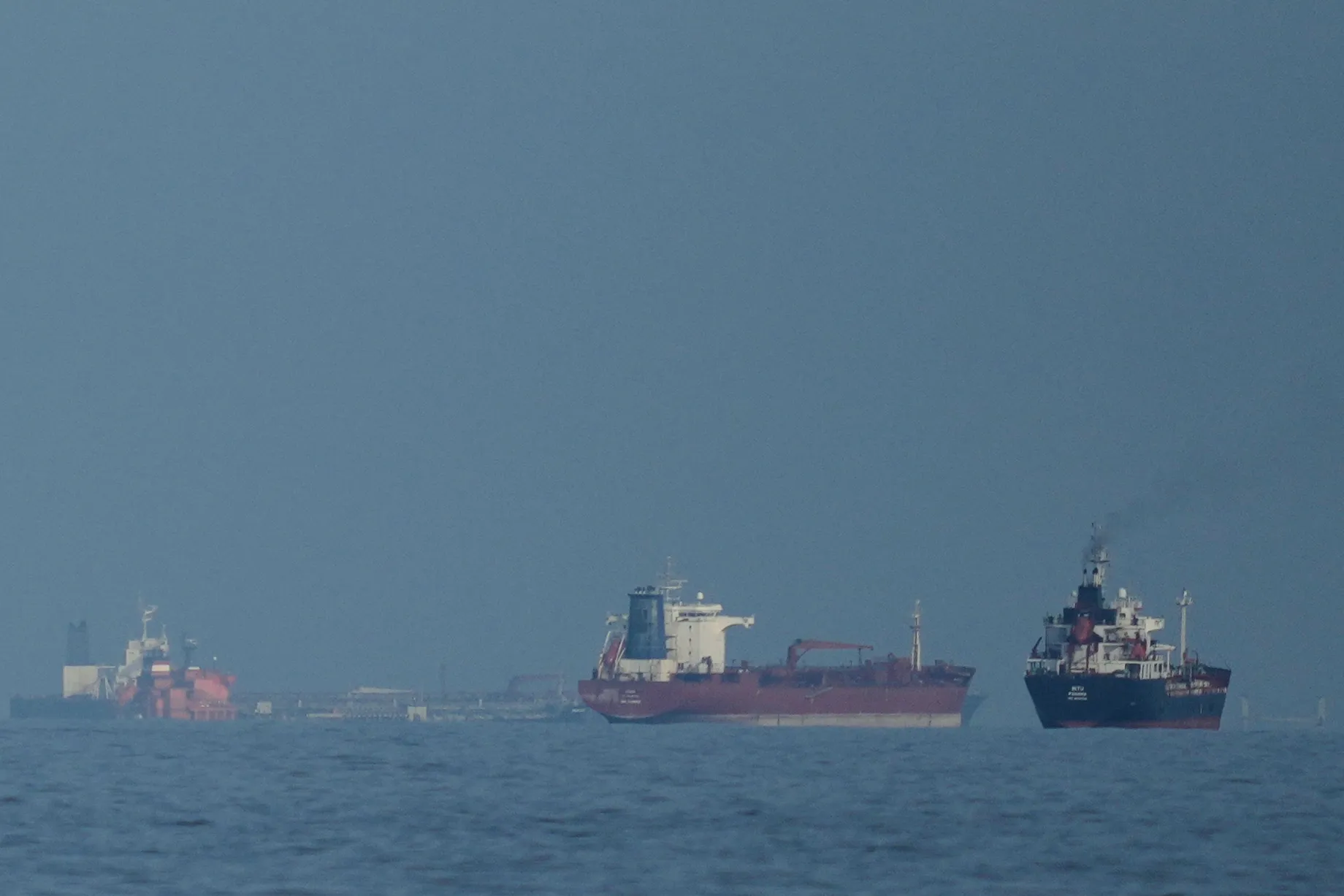
Many Asian countries are directly affected by the blockade of the Strait of Hormuz, because they import most of their oil from the Persian Gulf region. In the case of the Philippines, it is more than 90 percent. Diesel and gasoline prices there have doubled since February 28. For now, the government has limited itself to abolishing the tax on liquid gas (LPG), which most households use for cooking. However, a standard 11-kilogram bottle, which costs around 14 euros, becomes cheaper by only around 0,50 euros.
Japan and South Korea responded by capping fuel prices. The government in Tokyo allocates more than four billion euros to keep the price of gasoline at an average of around 0,91 euros per liter.
According to estimates, the projected budget would be enough for a little less than three months. Already in March, Seoul introduced an upper limit of around 1,19 euros per liter, but soon increased it by 14 cents. In order to compensate losses to refineries and distributors, the government plans about three billion euros. Even more is intended to help households with medium and lower incomes, up to 350 euros per person.
China is significantly less dependent on oil and gas than its eastern neighbors. In that country, coal plays a much bigger role, but also renewable energy sources. That is why the total energy costs there increased more moderately. However, it is less visible at the pumps: although the state regulates prices, it only partially mitigates the influence of the world market. That is why fuel prices in China today are about 30 percent higher than two months ago.
India reduced the tax on fuel by 0,09 euros per liter, which is about ten percent of the price. It also increased export taxes on diesel and jet fuel to keep more fuel in the country.
Pakistan has chosen a completely different approach: the government has, among other things, mandated employers that 50 percent of office workers work from home. Civil servants work only four days a week, and state institutions must operate with 50 percent less fuel for two months.
Africa
And in Africa, many countries regulate fuel prices. In the Republic of South Africa, the competent agency determines prices once a month according to a strict formula that includes world prices and exchange rates. Since February, gasoline prices have increased by about 20 percent, and diesel by 40 percent. For April, the government reduced the tax on fuel by about 0,16 euros per liter, so gasoline currently costs about 1,27 euros, and diesel about 1,35 euros.
In Kenya, the relevant agency sets the maximum price. She kept it constant for a long time despite the rise in world prices. Only from Tuesday evening (April 14, 2026) will the upper limit apply with reduced VAT by three percentage points. However, gasoline now costs about 16 percent more, and diesel 24 percent more - both about 1,36 euros per liter.
In Ghana, the National Petroleum Authority (NPA) sets a minimum price, which petrol stations follow under free market conditions. Since the end of February, the recommended price of gasoline has increased by 27 percent to 1,02 euros per liter, and diesel by almost 50 percent to 1,32 euros. For now, the government has only announced a tax cut.
America
In Mexico, the government reached an informal agreement with most gas station operators on a price ceiling of around 1,18 euros per liter for gasoline and 1,37 euros for diesel. In return, through energy taxes, the oil sector receives around 250 million euros per week. Without it, according to president Claudia Scheinbaum, prices would be up to 25 percent higher.
In Argentina, the government, which follows a strict market policy, has set limits on subsidies. Instead, it agreed with state oil company YPF that fuel prices would remain stable for 45 days, after they had already risen by about 15 percent. In return, more ethanol is allowed to be added to gasoline, and the planned fuel excise tax increase will be delayed. YPF has previously benefited from market liberalization implemented by the current government.
In the United States of America, the government expected in vain that the price of gasoline would remain below the limit of four dollars per gallon (about 0,97 euros per liter) - which is an increase of 35 percent since the end of February. The federal government in Washington is not yet taking steps to artificially lower prices. However, some federal states have abolished the fuel tax. In Indiana, drivers currently pay about €0,04 less per liter.
What is happening in the country and the world, what is in the newspapers and how to pass the time?
Every Wednesday at noon In between arrives by email. It's a pretty solid newsletter, so sign up!
The company M Enterijer Gradnja, which is reconstructing the GAK in Višegradska, has received a number of lucrative government jobs, despite the controversies that have accompanied certain projects. Its director Marko Ivić was recently awarded the Order of Saint Sava
Five days before the elections, Siniša Mali said that an agreement had been signed regarding the sale of NIS. The MOL immediately denied it, and Malog's office told "Vreme" that "everything is clear".
Siniša Mali claims that the Hungarian MOL signed the contract on the sale of NIS. What does the identity card of this Hungarian giant say? What kind of company is MOL?
The Hungarian company MOL has signed an agreement to take over the majority Russian share in the Serbian Oil Industry, Siniša Mali told Bloomberg. What kind of customer is MOL?
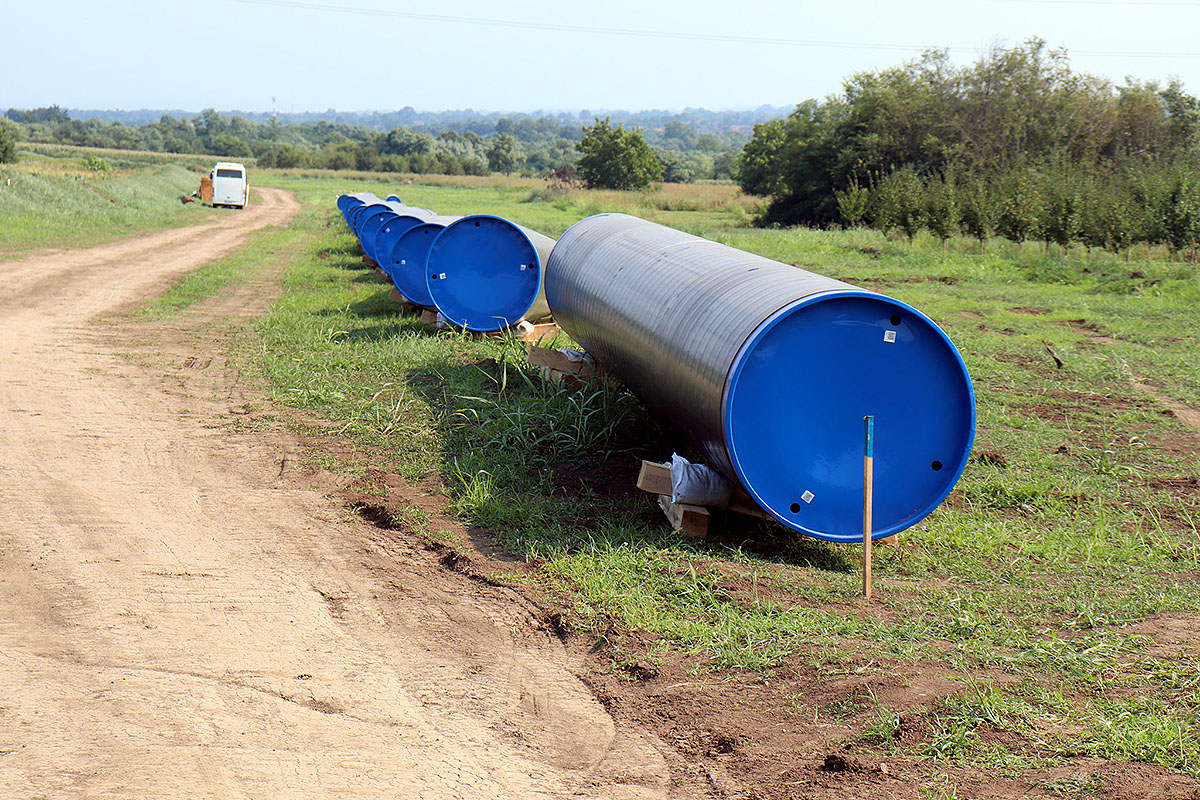
The first pipes through which American gas should flow have arrived in Serbia. The whole project dragged on for years, only to suddenly heat up with an accelerated process this year. The EU is not enthusiastic about the American partners for Serbia either
There is, literally, no difference between the one who claims it is day in the middle of the night, or the one who claims to be a giraffe, from the claims we read on billboards: that Vučić is working to unify Serbs and that Serbia is doing better and better day by day.
The pre-election arrests due to the alleged "overthrow of the state" testify to the regime's panic. The bad news for them is - they can't arrest the whole people who decided to defend themselves from progressive beatings and election theft
The ring that tightens around Ćaciland Student list is getting narrower. Because there are more and more spoiled people who see the false prophet for what he is: a street obscener who is fighting Serbia
The archive of the weekly Vreme includes all our digital editions, since the very beginning of our work. All issues can be downloaded in PDF format, by purchasing the digital edition, or you can read all available texts from the selected issue.