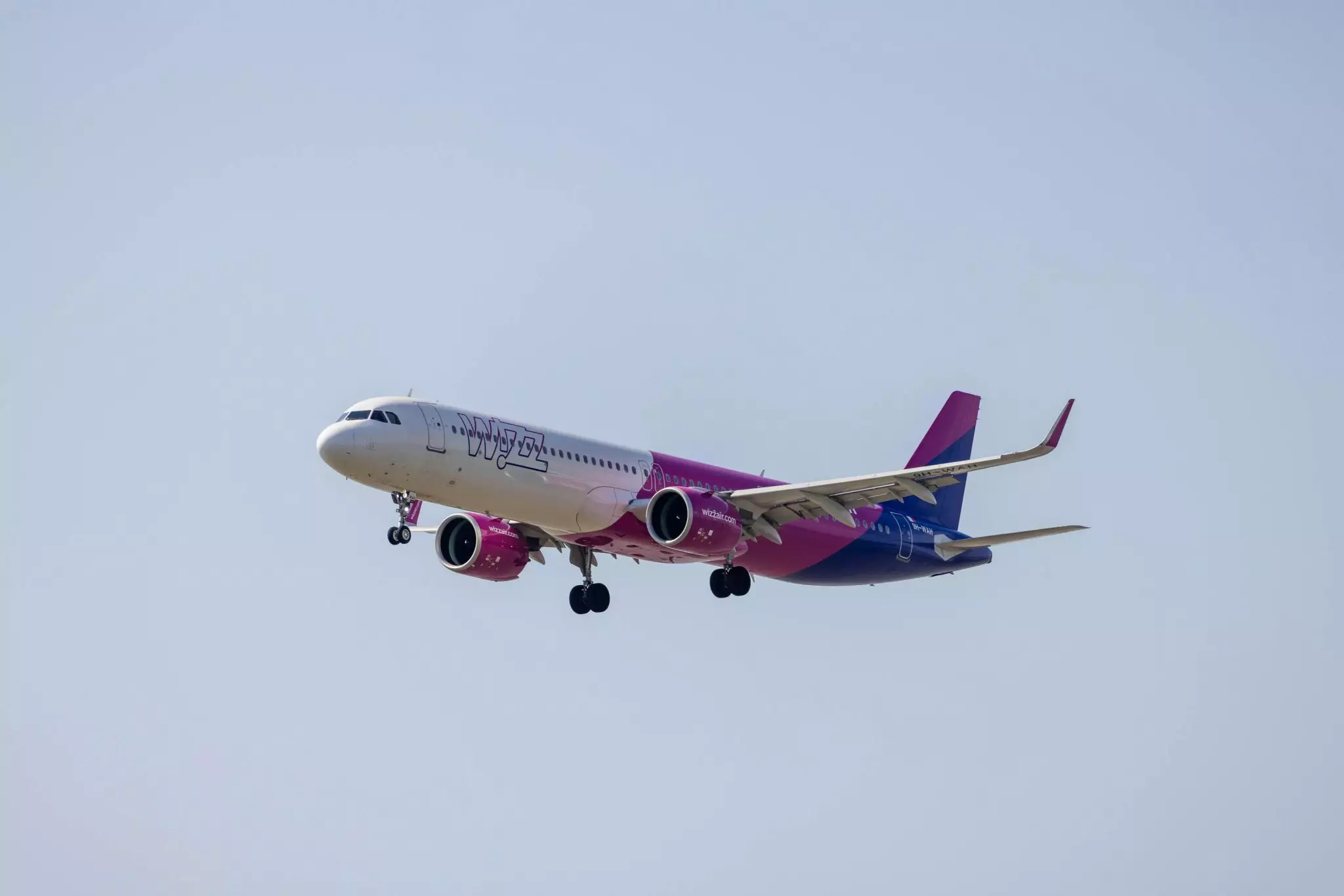
The Hungarian company Wizz air and the Serbian Directorate of Civil Aviation they have been fighting for days with press releases and leaks in the state tabloids. However, if Wizz air does not agree to meet the new requirements of the Directorate, it can be expected that the Directorate will refuse to issue permits for Wizz Air lines in the winter season, Luka Popović, editor of the "Ex Ju Aviation" portal, told "Vreme".
He explains that the Directorate's new regulation came into force in March 2026, and that it could affect Wizz Air's operations in the winter.
"There are two aviation seasons - summer, which lasts from the end of March to the end of October, and winter, which lasts from the end of October to the end of March of the following year," explains Popović. "Permits to fly are issued to airlines months in advance, and they will soon have to submit applications for permission to fly during the upcoming winter season."
Ticket price increase
The offer of Wizz Air flights from Serbia, as well as their prices, will largely depend on the final outcome of the dispute.
"If Wizz Air is really forced to reduce the volume of traffic from Belgrade, which is a likely scenario if the disputed provision is applied consistently, we can expect an increase in air ticket prices," says Popović. "This especially applies to routes where Wizz Air and Air Serbia compete directly, without the presence of a third carrier."
Such routes include Madrid, Barcelona, Larnaca and Rome, where reduced competition could lead to higher prices and less choice for passengers.
The Serbian Directorate did not answer the questions of "Vremen" whether they will insist on the implementation of the new regulations, and if they will, whether they will refuse the permission for Wizz Air's routes in the winter season if the company does not accept the new rules.
The Wizz Air company did not answer the questions of "Vremen", whether they expect an increase in flight prices from the winter season in Serbia.
What is the core of the problem?
The main problem between the Serbian institution of civil aviation and the Hungarian airline lies in the changes to the aviation regulations adopted by the Directorate of Civil Aviation of Serbia in March 2026.
The new provisions more precisely define the conditions under which foreign air carriers can use the third and fourth freedom of air, which, according to Wizz Air's interpretation, may threaten their business model based on basing their aircraft in Serbia.
"Essentially, foreign airlines can no longer have aircraft based in Belgrade, which they use to start flights from Serbia to other destinations," explains Luka Popović. "So far, among foreign companies, only Wizz had aircraft based in Belgrade."
The directorate claims that Wizz Air's business model in Serbia essentially brings this company closer to business settlement in the country and puts it in a position similar to domestic air carriers, i.e. Air Serbia. He believes that maintaining the existing exception would lead to unequal treatment and a privileged position of Wizz Air compared to other airlines from the European Union that operate in Serbia, but do not have a base in Belgrade or more than a hundred employees.
According to the position of the Directorate, the model applied by Wizz Air represents a form of discrimination against other carriers, which is why it was necessary to specify the regulations in order to provide all companies with equal legal business conditions.
Wizz Air rejects such an interpretation and claims that the new regulations violate Serbia's obligations under the Agreement on the Common European Aviation Area (ECAA), i.e. the open skies regime with the European Union, the full implementation of which is still ongoing.
Real journalism costs money, and we will not be bought by tycoons and corporations. Support us with a one-time or monthly donation. The time for it is now!