Europe is left airplane fuel in perhaps another six weeks, International Energy Agency (IEA) Executive Director Fatih Birol said, warning that flight cancellations could soon be possible if oil supplies remain blocked due to the war in Iran.
In Europe, "I can tell you that we will soon hear news that some flights from city A to city B may be canceled due to lack of fuel for the planes," Birol said.
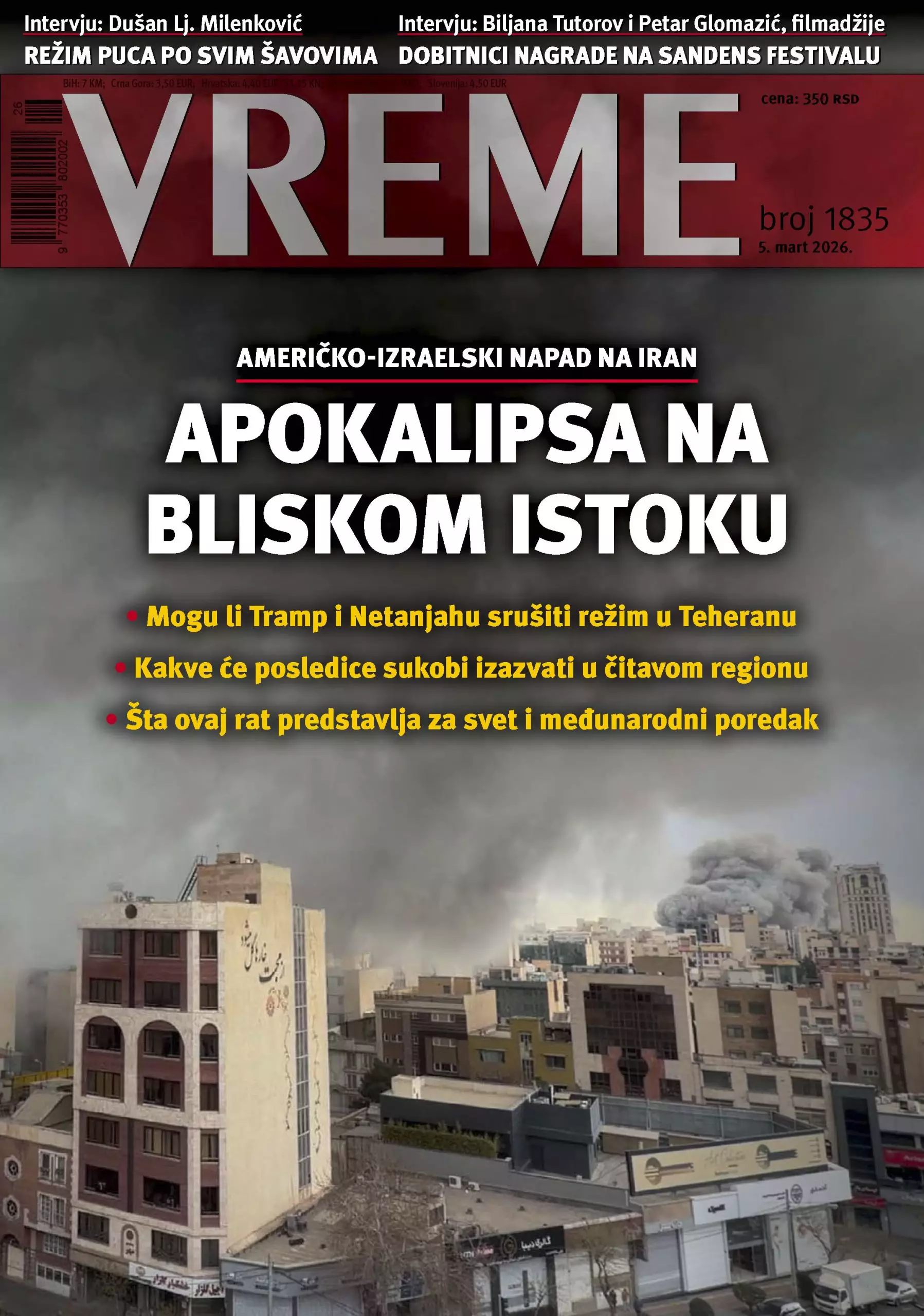
In a wider interview with the Associated Press, Birol presented a gloomy picture of the global consequences of the American-Israeli war against Iran, that is, the "biggest energy crisis" the world has faced - due to the interruption of the supply of oil, gas and other vital supplies through the Strait of Hormuz.
"In the past there was a group of 'Dire Straits'. Now it is a difficult situation and it will have great consequences for the global economy. And the longer it lasts, it will be worse for economic growth and inflation around the world," said Birol, a Turkish economist and energy expert who has headed the IEA since 2015.
The largest European airlines previously warned of a serious risk of a shortage of aviation fuel in the coming weeks and requested the urgent intervention of the European Commission, due to the deepening of the energy crisis caused by tensions in the Middle East and possible closure of the Strait of Hormuz.
More expensive gasoline, gas and electricity
According to Birol, there will be an increase in the price of gasoline, gas and electricity.
Birol added that the economic pain will be felt unevenly and that "the countries that will suffer the most will not be those whose voices are heard the most", but will be mostly developing countries, poorer countries in Asia, Africa and Latin America.
However, as he said, without a solution to the war in Iran that would permanently reopen the Strait of Hormuz, "everyone will suffer."
"Some countries may be richer than others. Some countries may have more energy than others, but no country is immune to this crisis," Birol said, warning that without opening the Strait of Hormuz, through which a fifth of the world's oil passes, some oil products could dry up.
Source: AP/FoNet
Real journalism costs money, and we will not be bought by tycoons and corporations. Support us with a one-time or monthly donation. The time for it is now!